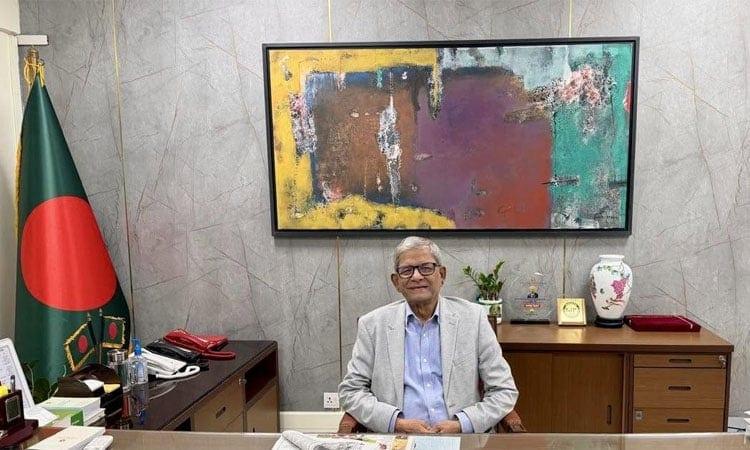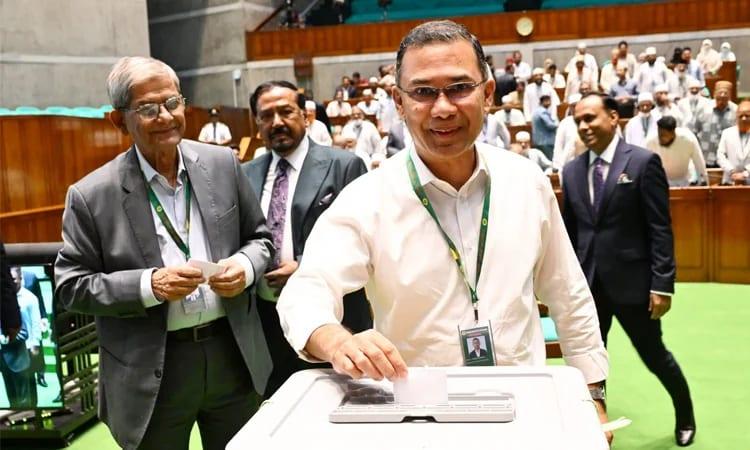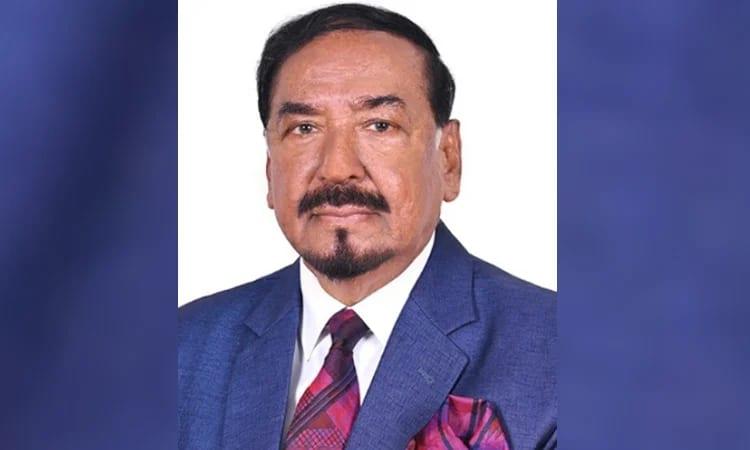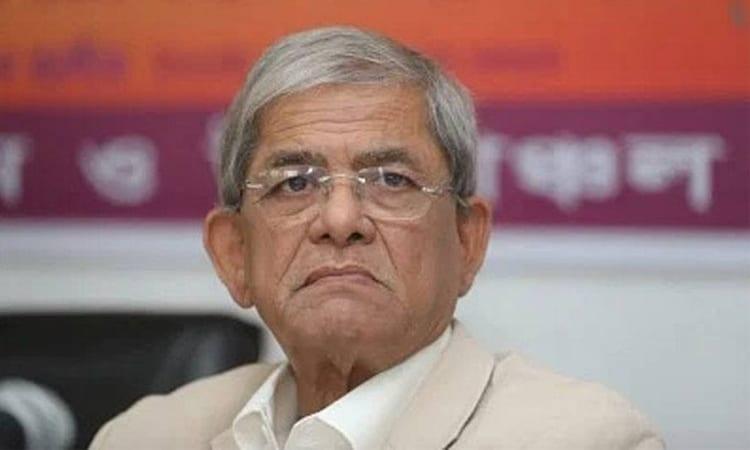
Mirza Fakhrul Islam Alamgir, Secretary General of the Bangladesh Nationalist Party (BNP), has expressed profound shock and sorrow at the death of veteran politician and former acting President Barrister Jamiruddin Sircar. In a condolence message, Mirza Fakhrul said, "With his death, the country has lost an illustrious and experienced politician. A deep void has been created in the political arena."
Contributions to Politics and Parliament
Jamiruddin Sircar will be remembered for his dedication to securing people's democratic rights, beginning with the Language Movement of 1952. Mirza Fakhrul highlighted Sircar's significant contributions as an experienced parliamentarian, noting that he added a new dimension to parliamentary politics in Bangladesh after being elected to parliament several times.
Leadership and Development
Mirza Fakhrul also praised Sircar's leading role in development activities during his tenure in important government positions. He emphasized that Sircar's contributions to the state and society were undeniable, having worked alongside prominent figures such as Sher-e-Bangla A.K. Fazlul Huq, Shaheed President Ziaur Rahman, BNP Chairperson Begum Khaleda Zia, and current Prime Minister Tarique Rahman.
A Living History of Politics
"He was a living history of contemporary politics. His death has cast a shadow of deep sorrow across the country," Mirza Fakhrul said. The BNP secretary general prayed for eternal peace for the departed soul of Barrister Jamiruddin Sircar and conveyed deep sympathy to the bereaved family members, relatives, admirers, and well-wishers.
Significance and Impact
The death of Jamiruddin Sircar marks the end of an era in Bangladeshi politics. His extensive career and contributions have left a lasting impact on the nation's political landscape. As a colleague of some of the most influential figures in Bangladesh's history, Sircar played a crucial role in shaping the country's political and developmental trajectory.
What Happens Next
Following Sircar's death, the political community in Bangladesh is expected to pay tribute to his legacy. His contributions to parliamentary politics, development activities, and the democratic process will be remembered and celebrated. The void left by his passing will prompt reflection on the future direction of Bangladeshi politics and the importance of experienced leadership.