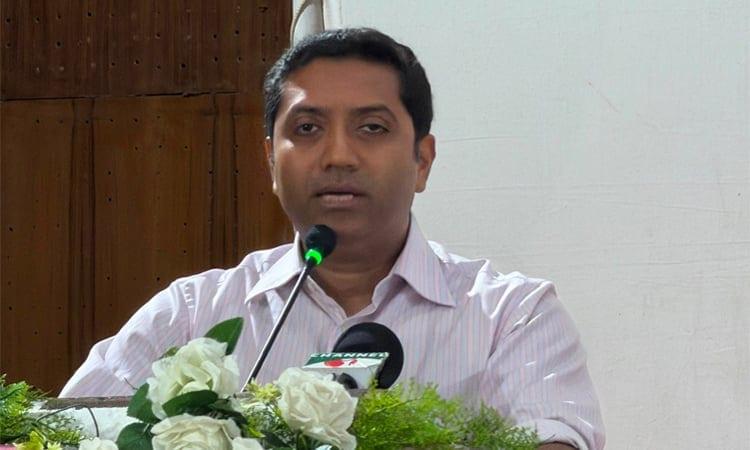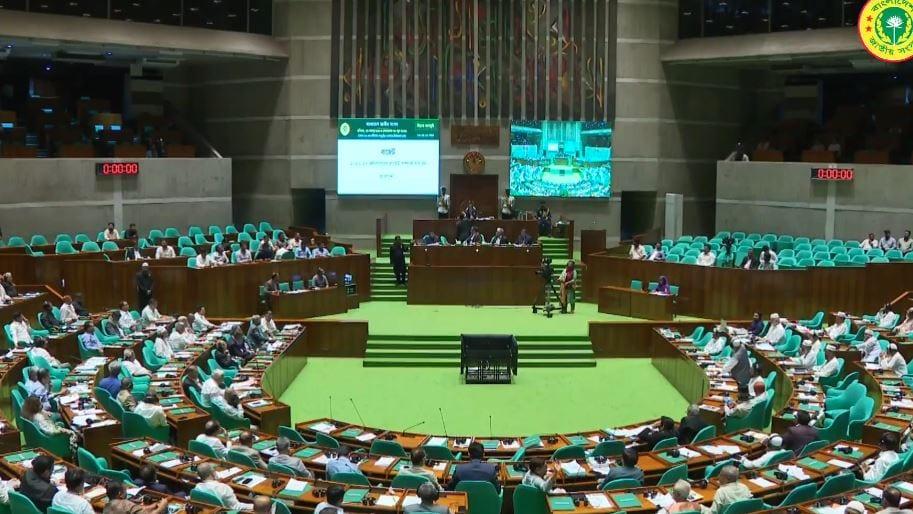
Education Minister Dr A N M Ehsanul Hoque Milon today placed the Public Examinations (Offences) (Amendment) Bill, 2026 in the Parliament. The bill aims to strengthen legal measures against question paper leaks, cheating, fake certificates, and technology-driven examination offences. It was subsequently sent to the relevant parliamentary scrutiny committee for detailed examination, with the committee asked to submit its report within the next three working days.
Objective and Background
The existing Public Examinations (Offences) Act, 1980 was enacted about 45 years ago to prevent malpractice in public examinations. However, the bill observed that the widespread use of technology and the growing trend of committing examination-related crimes through digital means have rendered several provisions of the existing law outdated.
Key Features of the Bill
The proposed amendment seeks to ensure a fair and malpractice-free examination environment by bringing offences committed through digital systems and online platforms within the legal framework. One of the key features of the proposed legislation is the inclusion and definition of the term 'Digital Manipulation' to cover unauthorised access to examination databases through cybercrime, as well as any form of digital tampering.
Penalties and Sanctions
The bill proposes a maximum punishment of five years' imprisonment and fines for those found guilty of digital manipulation. It also provides for stricter penalties and financial sanctions against individuals or groups involved in organised examination fraud or the formation of criminal networks to facilitate such offences.
Government's Stance
The government said the amendment has become urgently necessary to address emerging challenges in safeguarding the integrity of public examinations in the digital age. The draft law received policy approval from the Cabinet on April 2, 2026, and underwent several rounds of revision before receiving final Cabinet approval on June 18.