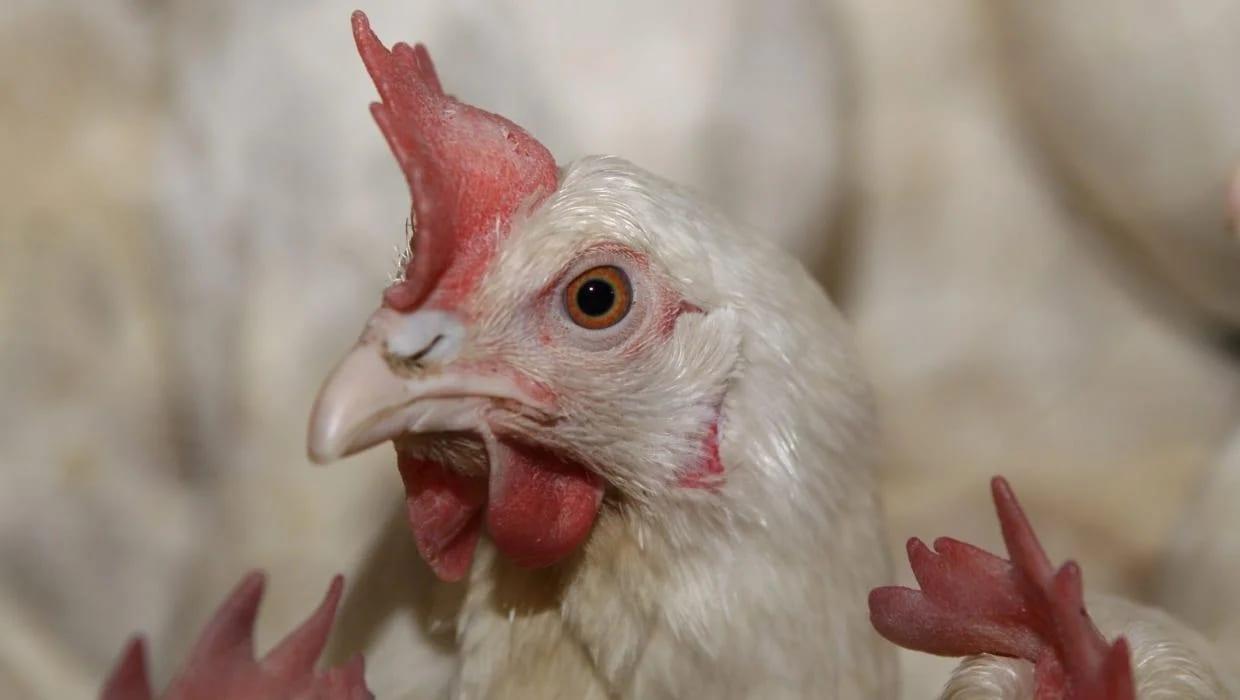
In Tunisia, the recent rolling blackouts implemented by the national electricity company STEG have resulted in substantial economic losses for farmers and businesses. On a poultry farm near Tunis, hundreds of chicken carcasses had to be buried after nearly 90 percent of the birds died due to the lack of ventilation and water during the power cuts. Veterinarian Hamza Bouchrit estimates the loss at between 1.4 and 1.5 million dinars ($500,000). Similarly, dairy farmer Aziz Bouhejba lost six days' worth of milk, approximately 1,200 liters, due to the outages. The pastry-making sector has also been severely affected, with Samia Diab, head of the chamber of pastry makers, reporting significant losses and the closure of her workshop for about 10 days. STEG has stated that the load shedding was necessary to prevent a complete blackout, but the lack of a precise schedule for the outages has left businesses struggling to adapt. The fishing sector has seen increased prices for ice, leading to higher fish prices. Parliament has held a session to address the issue, but government representatives failed to appear, sparking public anger.
The national electricity company STEG has resorted to load shedding—rolling blackouts—to manage the strain on the power grid as summer temperatures rise and demand for air conditioning increases. However, these outages have varied in duration and timing, causing widespread disruption. On the poultry farm in El-Fahs, the ventilation system and electric water pumps ceased to function during the power cuts, leading to the death of nearly 90 percent of the birds. The farm's generator, intended for emergency use only, overheated and failed after prolonged use.