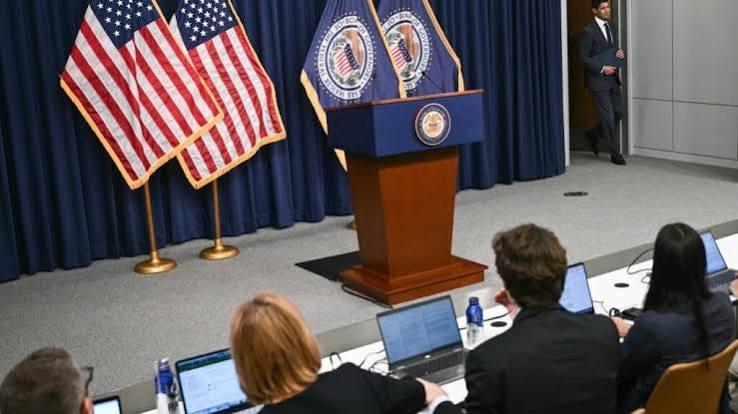
Three US Federal Reserve policymakers dissented from the central bank's decision to maintain current interest rates, calling for immediate rate hikes to tackle sustained inflation. The Federal Reserve held rates at 3.50-3.75 percent for the fifth consecutive meeting, but the three dissenters argued that action is needed now to prevent inflation from becoming entrenched. This level of dissent highlights the challenge the Fed faces in reducing inflation to its two-percent target, a goal not achieved in over five years.
Dissenters' Concerns
Beth Hammack, president of the Cleveland Fed, emphasized that inflation has been too high for too long, warning that prolonged high inflation makes it more difficult and expensive to bring it back down. US households have faced significant financial strain due to rising prices, exacerbated by geopolitical tensions, supply shocks from the pandemic and the Russia-Ukraine war, and tariff policies. The recent surge in demand driven by the AI boom has further fueled inflation.
Policymakers' Stance
Neel Kashkari of the Minneapolis Fed and Lorie Logan of the Dallas Fed joined Hammack in dissenting, advocating for incremental tightening of policy as more data on inflation and employment is gathered. Kashkari believes a series of small policy moves is preferable to waiting for potentially bolder actions. Logan agreed, stating that current interest rates are not sufficiently restrictive and that modest action now could prevent sharper hikes later.
New Fed Chairman Kevin Warsh, who has previously supported lowering interest rates, has faced pressure from President Trump to reduce rates despite the inflationary risks. Since taking office, Warsh has committed to the Fed's two-percent inflation target but has not detailed how to achieve it. Markets have reacted with concern, driving 30-year Treasury bond yields to their highest levels since 2007.
Warsh has proposed several reforms, including potentially reducing the number of times the Fed's rate-setting committee meets annually. The New York Times reported that a revised schedule could be decided before the next meeting in mid-September, though changes are unlikely to take effect immediately.