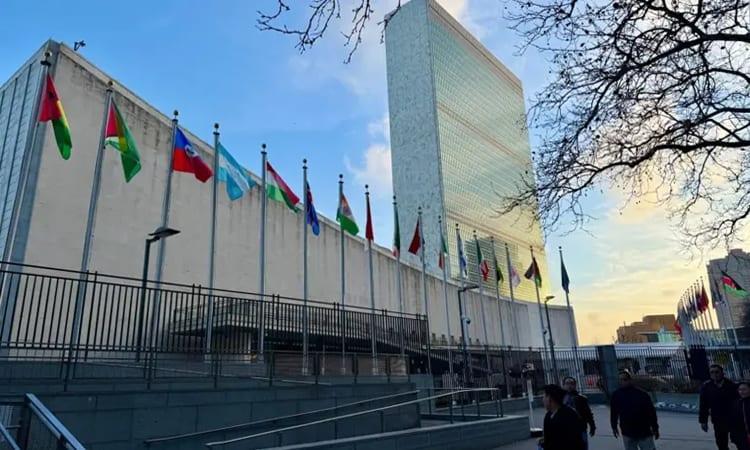
The United Nations General Assembly has introduced a new rule to help the financially troubled organization cope with its ongoing financial crisis. The rule, passed on Tuesday, prevents member states from demanding the return of unspent funds before they have paid their contributions to the UN. This change aims to ensure the organization's immediate operational continuity.
Secretary-General's Statement
Secretary-General Antonio Guterres welcomed the new rule, stating that he had called for this change since the beginning of his mandate. He emphasized its importance for ensuring the UN's operational continuity. Guterres also noted that this change would benefit his successor, who would no longer be forced to return funds that were often never received in the first place.
Financial Context
The UN's regular budget for 2026 is $3.4 billion, a seven percent decrease from the previous fiscal year. This budget is funded by mandatory contributions from 193 member states, with contributions determined by each state's economic strength. The two largest contributors, the United States and China, have been criticized for their late and delayed payments.
New Rule Details
Under the new rule, unused funds will only be disbursed to states that owe nothing to the United Nations. This measure is intended to ensure that the UN can maintain its operations without being hindered by financial demands from member states.
Guterres' Warning
In January, Guterres warned that the UN faced a possible financial collapse if some countries, including the United States under President Donald Trump, continued to delay payments. The new rule is a response to this warning, aiming to stabilize the UN's financial situation.
Implications for Bangladesh
For Bangladesh, a member state of the UN, this rule change is significant as it ensures that the organization can continue its operations and provide necessary support and resources. Stable UN operations are crucial for global cooperation and addressing international issues, which directly impact Bangladesh.