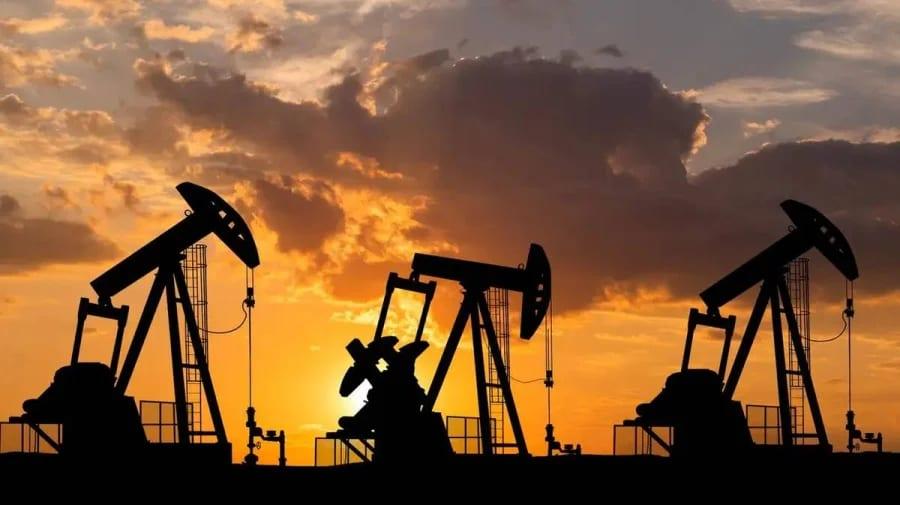
Saudi Arabia, Russia, and five other OPEC+ members are expected to raise their oil production quotas for September, according to analysts. This move comes as the Middle East war continues to disrupt global energy supplies. The Organisation of the Petroleum Exporting Countries and its allies are likely to increase production by 188,000 barrels per day, following several months of similar hikes.
Background and Context
Between late 2022 and 2023, OPEC+ cut oil production in three separate rounds, reducing total output by nearly six million barrels per day due to concerns over falling oil prices. However, starting in 2025, Saudi Arabia, Russia, Iraq, Kuwait, Kazakhstan, Algeria, Oman, and the United Arab Emirates began gradually increasing production. The September increase would complete the unwinding of the second of the three production-cut packages introduced by OPEC+.
Challenges and Future Quotas
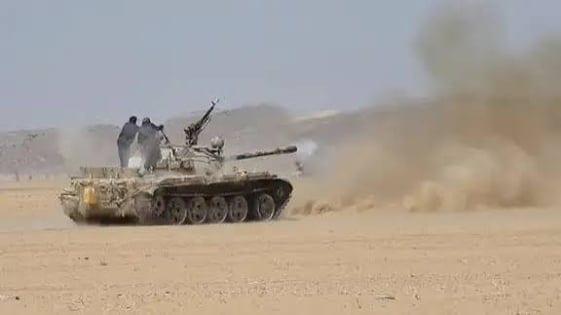
Despite the expected increase, many OPEC+ members face challenges in meeting their production targets. Analysts point to a decline in production capacity and the ongoing conflict in the Middle East, which has disrupted oil exports through the Strait of Hormuz. Additionally, Russia's oil infrastructure has been targeted by Ukrainian drone attacks, limiting its production capabilities.
Analysts also predict difficult talks over new production quotas starting next year, following the September increase. The UAE's withdrawal from the group in May has highlighted potential cohesion issues within OPEC+.
The global oil market remains volatile, with OPEC+ navigating complex geopolitical and economic challenges to maintain stability in production and pricing.