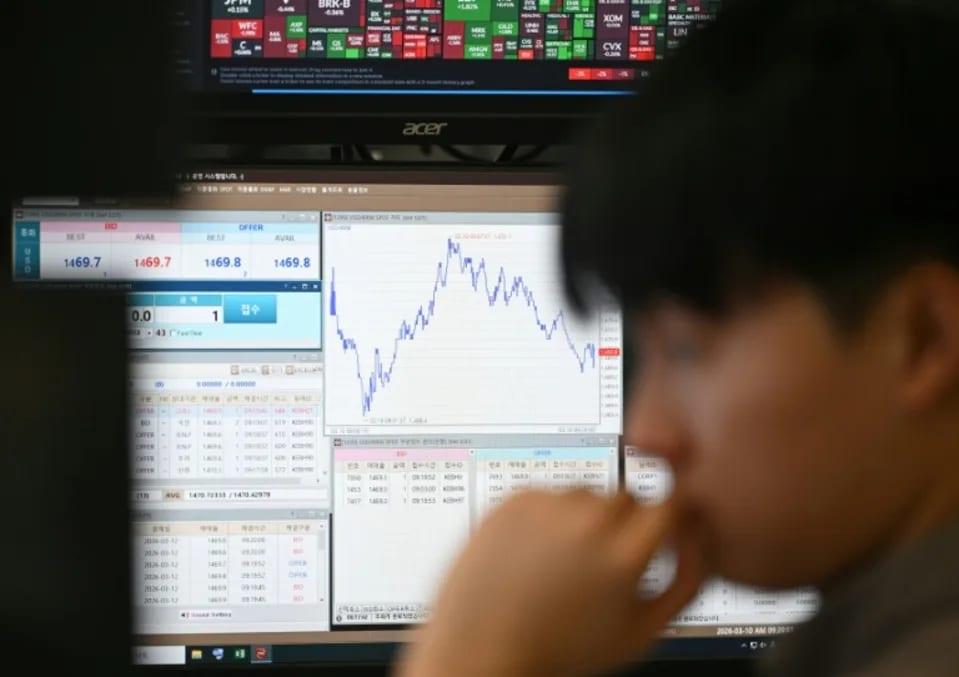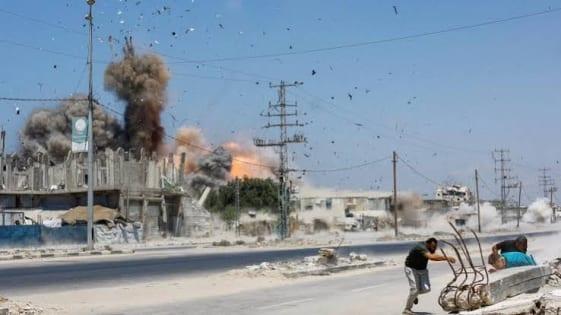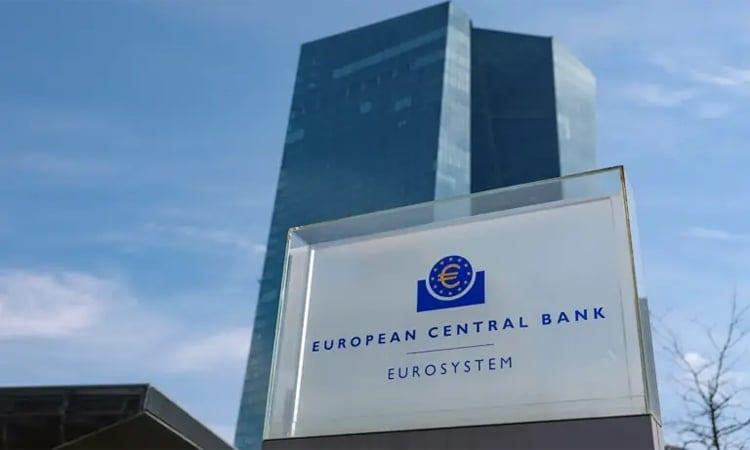
The recent escalation of conflict in the Middle East, particularly between Iran and the United States, has put the European Central Bank (ECB) on high alert. This comes ahead of the ECB's crucial rate-setting meeting on Thursday. The conflict has significantly slowed traffic through the Strait of Hormuz, a critical waterway for global energy exports, which in turn has driven up oil prices. This development raises concerns about potential inflationary pressures in the eurozone.
Geopolitical Tensions and Economic Impact
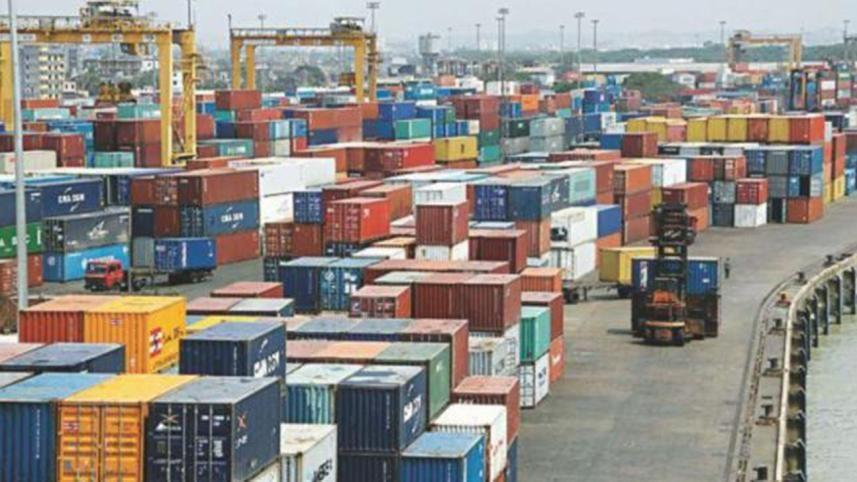
The Strait of Hormuz, which carries about a fifth of the world's oil and natural gas in peacetime, has seen a sharp decline in traffic due to the renewed hostilities. This restriction in energy exports has led to a rise in oil prices, a situation that the ECB had previously anticipated in its baseline scenario. The bank raised interest rates by a quarter of a percentage point to 2.25 percent in June, following the near total closure of the strait.
Although a memorandum of understanding signed last month by Washington and Tehran had raised hopes for a lasting solution, the resumption of fighting has reignited fears of rising eurozone inflation. In June, inflation had eased to 2.8 percent, but analysts now warn that the benign inflation data may no longer hold true given the current geopolitical climate.
ECB's Dilemma and Market Expectations
The ECB faces a challenging situation where rising energy prices could lead to stagflation—a combination of stagnant growth and high inflation. If the central bank cuts interest rates to stimulate growth, it risks exacerbating inflation. Conversely, raising rates to control inflation could further stifle economic growth. Some economists have criticized the ECB's June rate hike as heavy-handed, drawing parallels to the 2011 rate hikes that some believe hindered a nascent eurozone recovery post-Great Recession.
Most observers expect the ECB to maintain its current stance and hold rates steady at the upcoming meeting, waiting to assess the duration and outcome of the latest fighting. However, there is a small possibility that the ECB could raise rates again, especially if oil prices continue to climb and inflation shows signs of overshooting the ECB's two-percent target. The bank's Governing Council member Joachim Nagel has indicated that various scenarios are under consideration, reflecting the uncertainty and complexity of the situation.