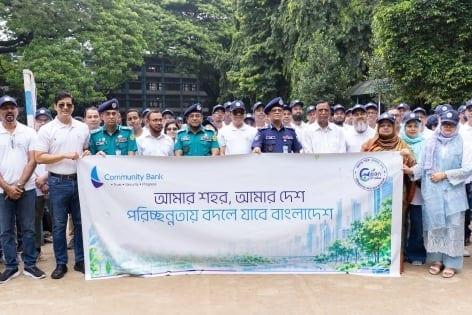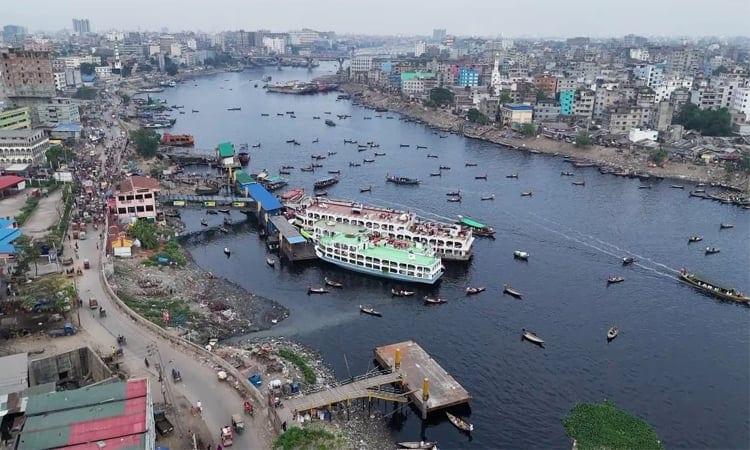
The government has initiated measures to bring Effluent Treatment Plants (ETPs) online and conduct regular enforcement drives to curb pollution in the Buriganga River, a vital water source for Dhaka. The Department of Environment (DoE) is monitoring water quality at seven points along the Buriganga and other rivers in industrial areas. The Bangladesh Inland Water Transport Authority (BIWTA) is also conducting regular dredging operations to improve navigability and remove polluted sediment.
What are Effluent Treatment Plants (ETPs)?
ETPs are facilities designed to treat harmful liquid waste from industries, making it environmentally safe for reuse. They prevent the release of toxic chemicals, dyes, oil, heavy metals, and other hazardous substances into water bodies.
Why is the Buriganga River polluted?
The Buriganga River is polluted due to untreated industrial waste, household garbage, and plastic waste being dumped directly into it. Illegal establishments along the riverbanks, such as dyeing and washing factories, also contribute to the pollution.
What measures are being taken to clean the Buriganga River?
Measures include bringing ETPs online, regular enforcement drives by the DoE, dredging operations by BIWTA, and legal actions against polluters. The National Environment Policy 2018 and Environment Conservation Rules, 2023, provide the framework for these efforts.
What role does the Bangladesh Inland Water Transport Authority (BIWTA) play?
BIWTA is responsible for conducting regular drives to remove illegal structures, dockyards, and other establishments along riverbanks. They have identified 307 waste discharge outlets and are taking necessary measures to prevent direct waste discharge into the river.