The Pulse Today
BREAKING
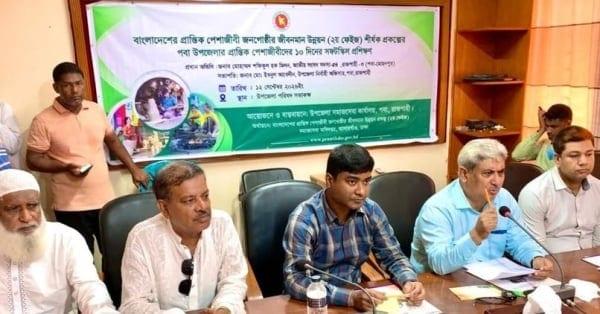
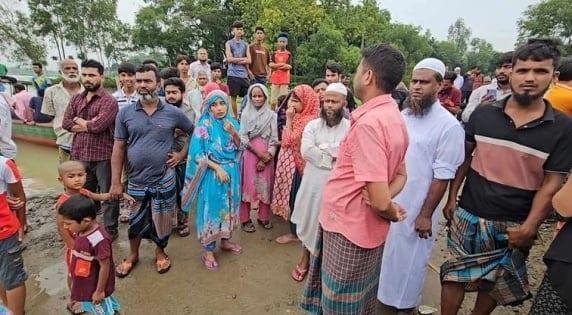
Sajib Pledges Aid for 50,000 Flood-Affected People in SonargaonMP Azharul Islam Mannan Distributes Relief Funds to Needy Families in SonargaonParliament Proposes Anti-Gambling Bill with Maximum 7-Year Prison PenaltyOpenAI Unveils 'Schedule' Feature to Boost Task Management in AI ChatbotPrime Minister Tareq Rahman Arrives in Dalian, China for Economic ForumEurope Confronts Intense Heatwave; Conditions Predicted to DeteriorateGold Prices Rise Again in Bangladesh Amid Global Market IncreaseSpaceX's Nasdaq Debut Values Company at Over $2 Trillion, Surpassing AmazonStudy Reveals AI Data Centers Contribute to Local Temperature IncreasesNarayanganj BNP Youth Wing Holds Rally to Welcome New Central CommitteeChattogram General Hospital Announces Phased Modernization to Enhance Healthcare ServicesBangladesh Hockey Team Steps Up Training Under New Coach Ahead of Asian GamesPrime Minister to Provide New Homes for Flood-Affected Families in BanshkhaliHousewife Dies from Electrocution in Narail, Highlighting Urgent Safety ConcernsJFA U-14 Women’s Youth Development Program: Final Round Begins in TangailRajshahi Entrepreneur Fair Ends, Signaling Potential Economic GrowthState Minister Asserts Hasina Must Return to Bangladesh and Face TrialRangpur City Corporation and Rangpur Community Medical College Hospital Partner to Improve Primary HealthcareBangladesh Army Sports Team Overwhelms Futsal League with 18-1 VictoryBangladesh Skating Team Departs for China to Compete in Asian CupBangladesh Coast Guard Arrests Two Drug Traffickers, Seizes 55,000 Yaba Tablets in TeknafRizvi Condemns Sheikh Hasina's Speeches in India as Insult to Bangladesh's SovereigntyWipro GE Healthcare Introduces 'Health Express' Initiative to Expand Ultrasound ServicesSSC and Equivalent Exam Results to be Announced on August 10National University Announces 2023 Master's Final Exam Results

'Fear of water wars': Bangladesh farmers face crisis as wells dry up

In north-west Bangladesh, the Barind region's groundwater crisis threatens rural life and agriculture.

By Staff Correspondent
Share
‘I fear people will go to war over water’: as wells run dry, farmers struggle to survive in Bangladesh

In the parched fields of north-west Bangladesh, farmers in the Barind region are struggling as their wells run dry. The aquifers that once transformed this arid region into a productive agricultural belt are now collapsing under the pressure of climate change, erratic rainfall, and decades of intensive extraction. Recent studies show that more than 82% of the region is under serious water stress.

Ataur Rahman, a 48-year-old farmer, notes, "We have to place pipes deeper underground than before. Even after going deeper, we still don’t get water like we used to." The crisis has led to more expensive and less reliable irrigation, causing widespread fear and competition for water resources.

Last year, the Bangladesh government banned groundwater extraction for irrigation across nearly 5,000 villages, allowing its use only for drinking. Although the ban was lifted for two years in January, many farmers fear it is a temporary reprieve in a deepening crisis. Mohammad Shamsudduha, a professor researching Bangladesh’s groundwater crisis, warns that implementing bans without viable alternatives could trigger a serious humanitarian and economic crisis.
‘I fear people will go to war over water’: as wells run dry, farmers struggle to survive in Bangladesh

The Barind Multipurpose Development Authority has installed about 18,000 deep tube wells since the 1980s, significantly increasing crop yields. However, this has also intensified dependence on groundwater, particularly for water-intensive boro rice cultivation. Farmers like Rahman face a dilemma: without irrigation, crops fail, but continued extraction threatens the future of farming.

For women in Barind, the groundwater crisis has added to their already heavy workload. Sreemoti Shobdorani, a 40-year-old farmer, says, "One hour of irrigation water used to cost 90 taka [55p]. Now it costs 120. Fertiliser prices have increased. Labour costs have increased. But crop production has gone down."

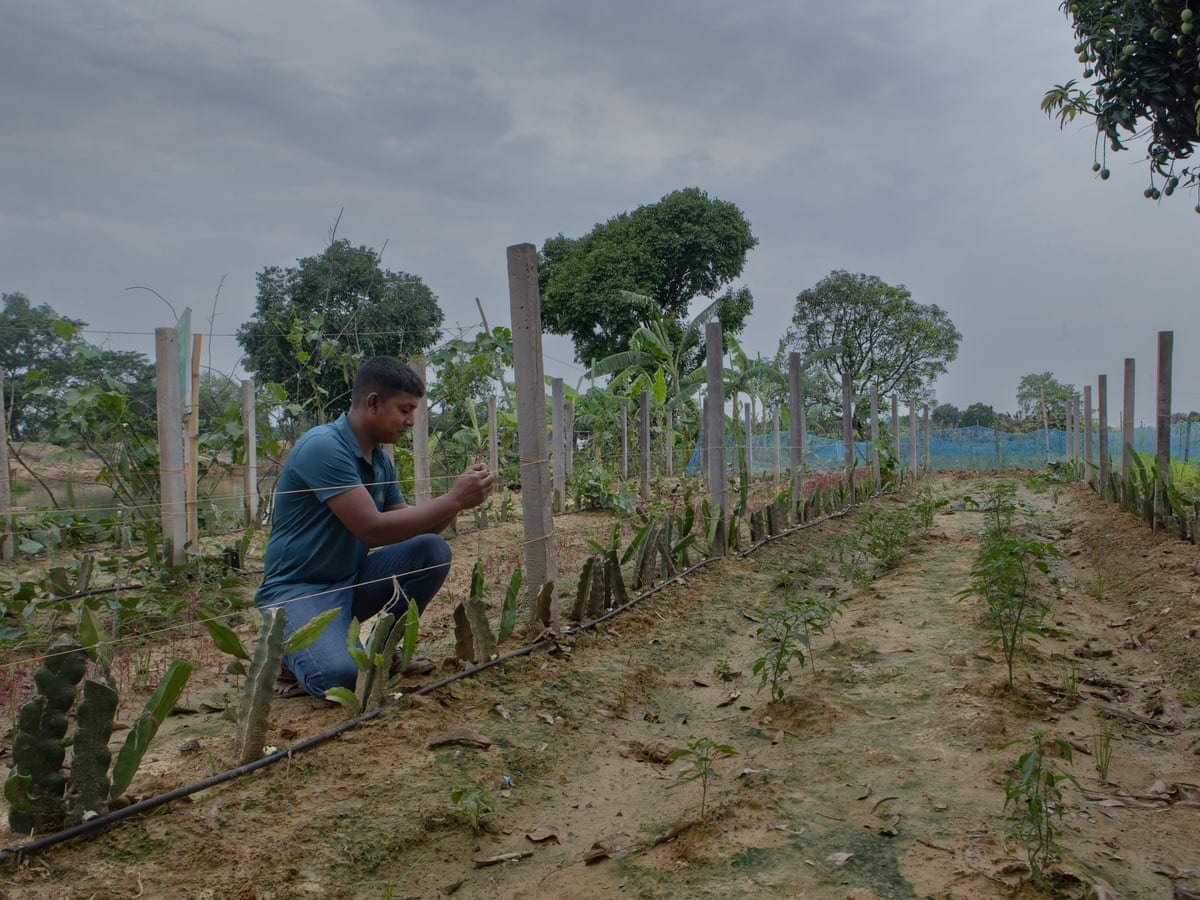
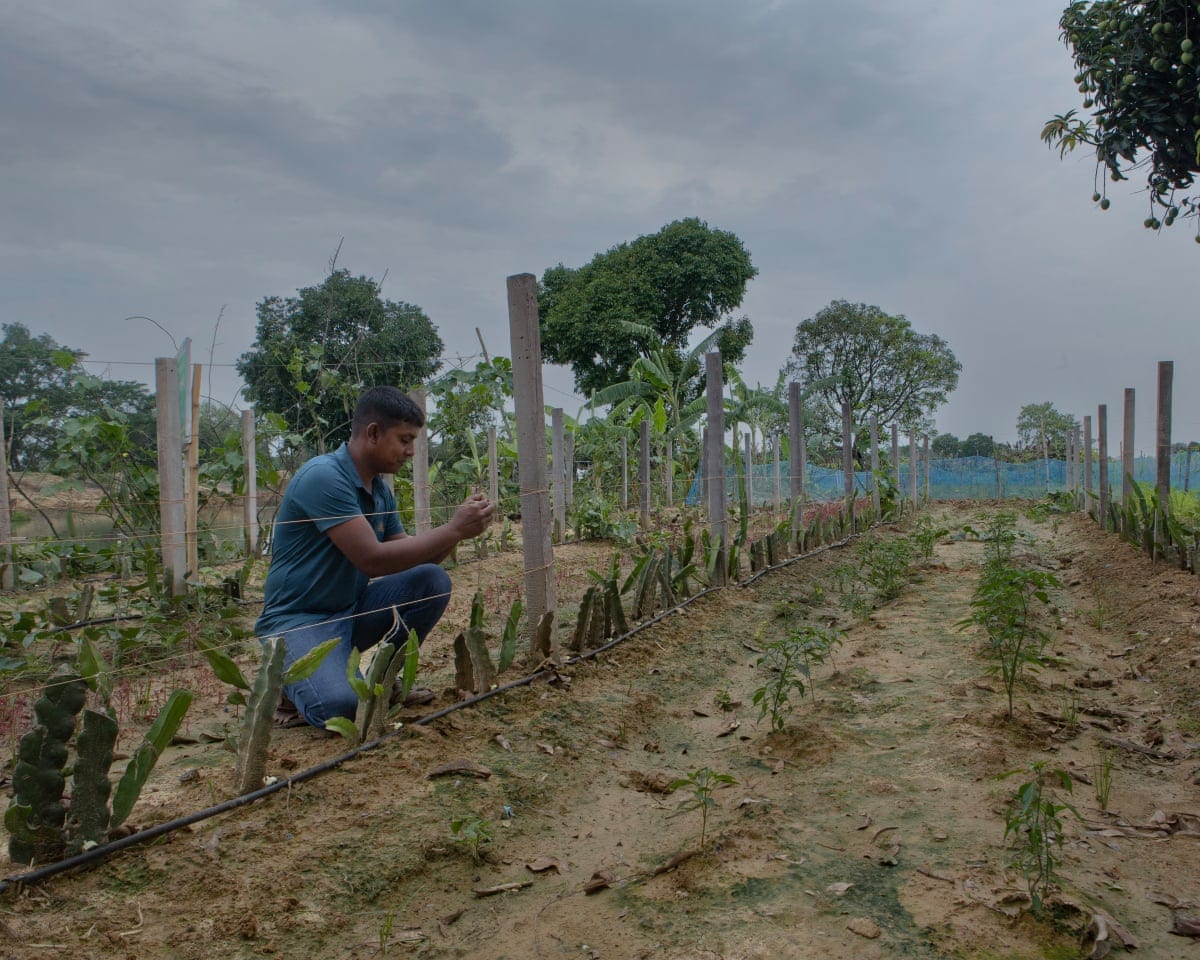
Efforts are underway to train farmers in climate-resilient agriculture and water-saving irrigation methods. Brac, a development NGO, has piloted a scheme training over 2,400 farmers in techniques like alternate wetting and drying. Mohammad Ali from Brac emphasizes the need for gender-sensitive approaches and community-led water management systems.
‘I fear people will go to war over water’: as wells run dry, farmers struggle to survive in Bangladesh

Government officials recognize the severity of groundwater depletion and are exploring alternative irrigation systems. Experts estimate that more than 2.5 million hectares of farmland could remain uncultivated, reducing crop yields by 2.7 million tonnes and worsening food insecurity.


FAQ

What caused the water crisis in Barind region?
The water crisis in Barind region is caused by climate change, erratic rainfall, and decades of intensive groundwater extraction.
What are the farmers doing to adapt to the water crisis?
Farmers are shifting to crops that require less water and some are being trained in climate-resilient agriculture and water-saving irrigation methods.

Topics

Comments

More in Bangladesh

See all →

Latest stories