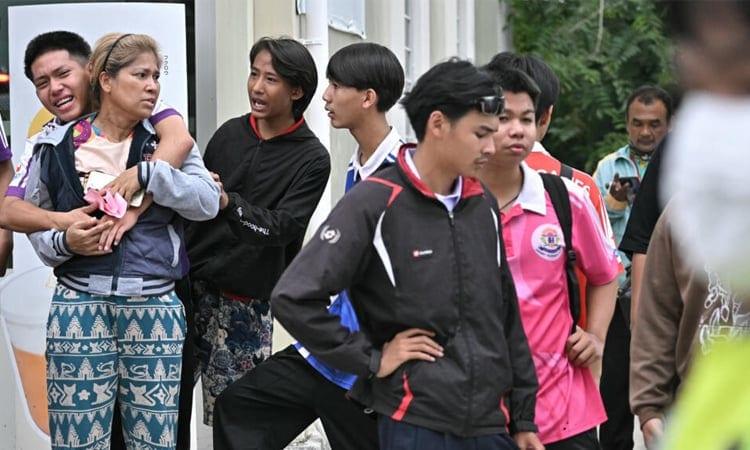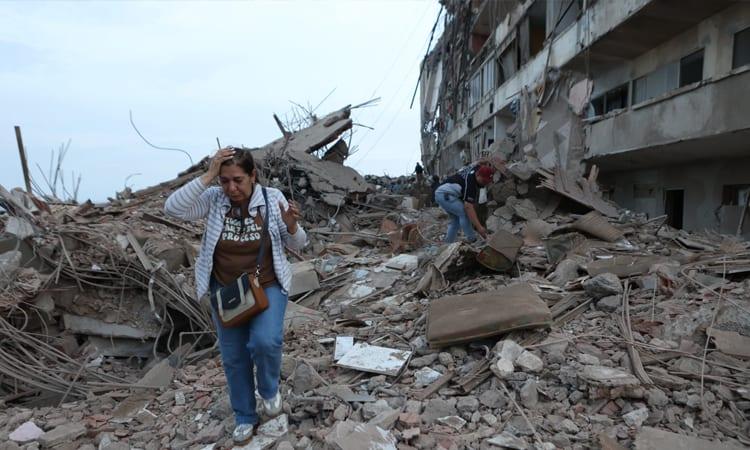
Rescuers in Venezuela are using heavy machinery and their bare hands to search for survivors after twin earthquakes struck the nation, killing at least 235 people and injuring thousands. The quakes, the strongest in over a century, flattened scores of buildings and trapped more than 200 people under debris.
International Aid Arrives
International rescuers and aid have begun arriving to assist Venezuela, which is struggling to respond to the disaster. A senior American military official has landed in Caracas to oversee US relief efforts, and the United States has pledged $150 million in aid, along with deploying warships, transport planes, and helicopters.
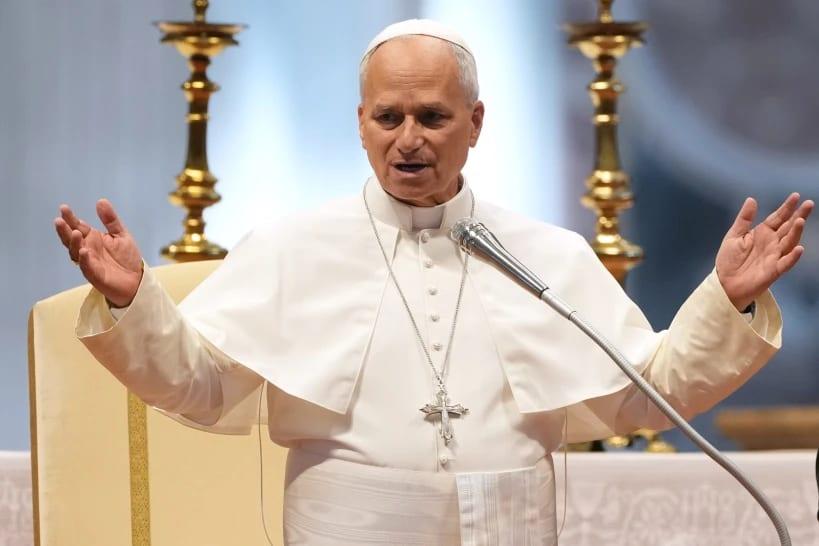
Other nations, including Switzerland, Spain, France, Portugal, and Mexico, have also sent specialists and rescue teams. China, India, Brazil, and even Iran have offered help, while Pope Leo XIV has sent an initial 100,000 euros in aid.
Challenges on the Ground
Rescue efforts have been hampered by the sheer scale of the destruction and a shortage of trained personnel. The international airport in La Guaira, which has been closed due to damage, threatens to complicate relief efforts further.
In La Guaira, north of Caracas, residents have been digging through rubble with their bare hands in search of loved ones. The dead include foreigners, with two Spaniards, two Brazilians, two Chinese, an Italian, and a Portuguese citizen among those killed.
Historical Context
Venezuela's northern coast sits on a boundary between the Caribbean and South American tectonic plates. The last significant quake in the region was in 1997, when 73 people died. Wednesday's 7.5-magnitude earthquake was the most powerful since a 7.7-magnitude tremor in 1900.