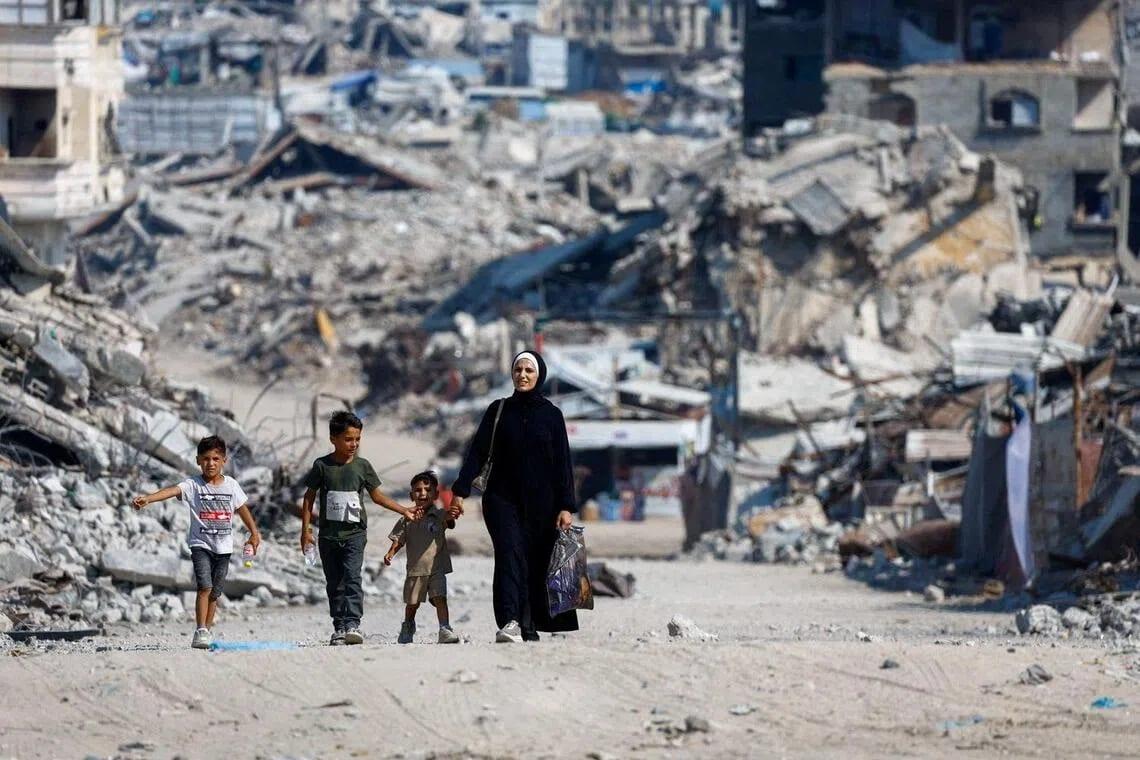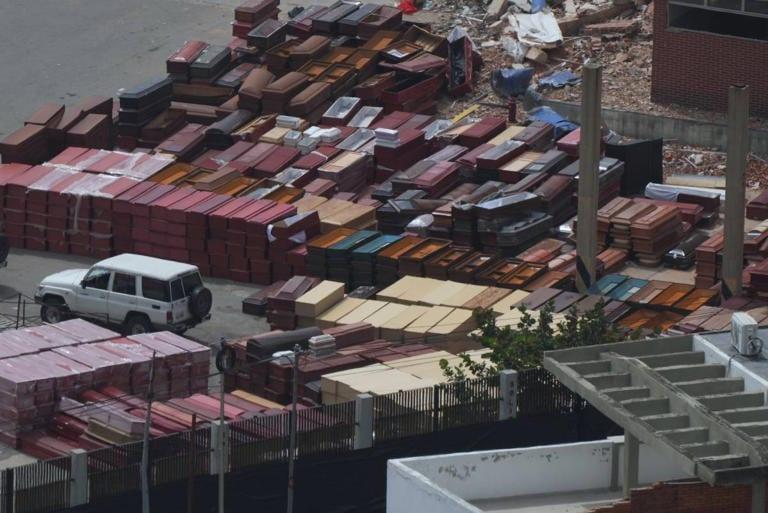
In Caraballeda, Venezuela, the race to recover bodies continues as international rescue teams pack up and heavy excavators begin clearing the rubble left by the recent earthquakes. The June 24 disaster, which saw 7.2 and 7.5 magnitude quakes strike, has resulted in over 3,500 confirmed deaths and an estimated 50,000 people reported missing.
Desperation and Hope
For many families, like that of Raul Alvarado, the search is deeply personal. Alvarado's mother, father, and older brother are believed to be trapped in the ruins of their 12-story apartment building, the OPP 26, which collapsed during the quakes. "They were together the three of them, hugging," Alvarado recalls of the last moment he saw his family.
Challenges of the Search
The search is complicated by the ongoing cleanup efforts. Diggers are already clearing parts of the OPP complex, shaking the ruins even as volunteers and families continue to burrow for the bodies of loved ones. Professor Katsu Goda of Western University's earth sciences department explains that the unusual double quake and the vulnerability of reinforced concrete materials may have contributed to the high number of missing.
Scale of the Disaster
The UN has estimated that as many as 50,000 people could be missing, though the government has yet to provide an official estimate. Online registries, such as "Venezuela Earthquake Disappeared" and "Venezuela Looks for You," have registered tens of thousands of names of missing individuals.
Why This Matters
The scale of this disaster underscores the urgent need for coordinated international aid and support. For Bangladesh, understanding the challenges faced by Venezuela can provide valuable insights into disaster management and the importance of preparedness. The situation also highlights the emotional and logistical complexities of search and rescue operations in the aftermath of natural disasters.