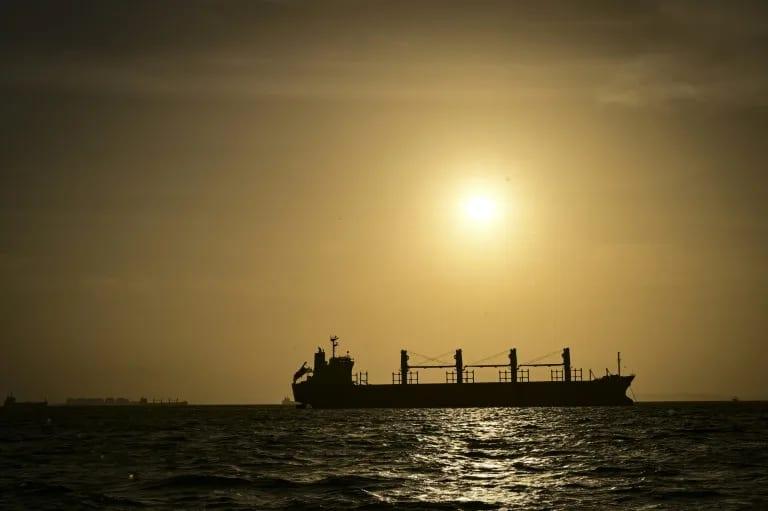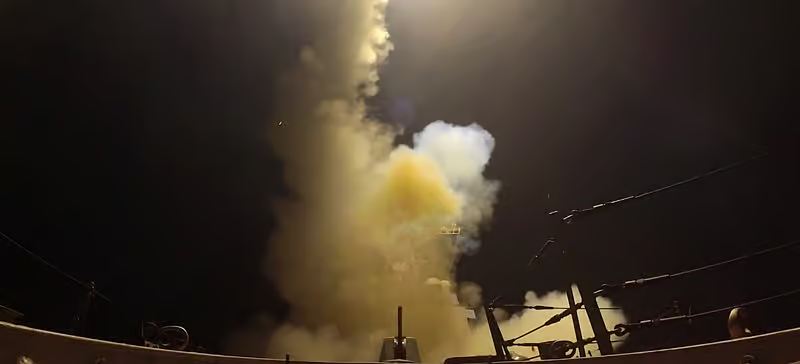
The US military announced the completion of a new round of strikes targeting Iranian military installations. The strikes, aimed at preventing Iran from attacking shipping in the Strait of Hormuz, involved US fighter aircraft, naval vessels, one-way attack aerial drones, and one-way attack sea drones. The targeted Iranian assets included military air-defense systems, coastal radar sites, missile and drone capabilities, and small boats.
Strategic Importance of the Strait of Hormuz
The Strait of Hormuz is a critical chokepoint for global oil shipments, with approximately 20% of the world's petroleum passing through it. Any disruption in this area could have significant implications for global oil prices and supply chains. The US has a vested interest in ensuring the free flow of commerce through this vital waterway.
Details of the Military Operation
According to the US military's statement, CENTCOM forces conducted the strikes using a variety of assets. This included traditional fighter aircraft and naval vessels, as well as cutting-edge one-way attack drones. The use of one-way attack sea drones marks a notable development in modern naval warfare, showcasing the evolving nature of military technology.
Regional and Global Implications
These strikes are likely to escalate tensions in the already volatile Middle East. Iran may respond with countermeasures, potentially leading to a further deterioration of relations between the two nations. The international community, including major oil-importing countries, will be closely watching the situation as any conflict in the region could lead to significant economic repercussions.
Significance for Bangladesh
For Bangladesh, the stability of global oil prices is crucial. As an import-dependent country, any significant rise in oil prices could impact the economy, leading to increased costs for transportation and goods. Additionally, Bangladesh's growing trade relations with both the US and Iran make it important for the nation to monitor the situation closely and potentially engage in diplomatic efforts to promote peace and stability in the region.
What Happens Next?
The immediate future will likely see increased military posturing and diplomatic maneuvers. The international community will be looking for signs of de-escalation, while also preparing for potential worst-case scenarios. Bangladesh, along with other nations, will need to stay informed and ready to adapt to any changes in the geopolitical landscape.