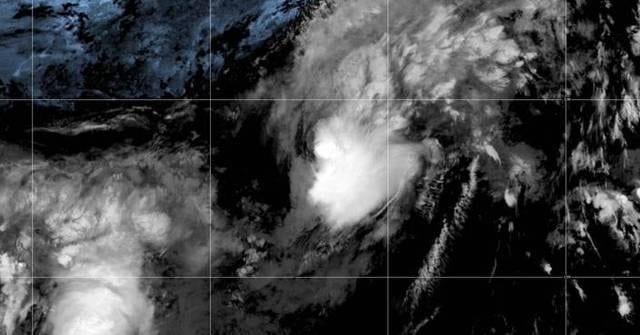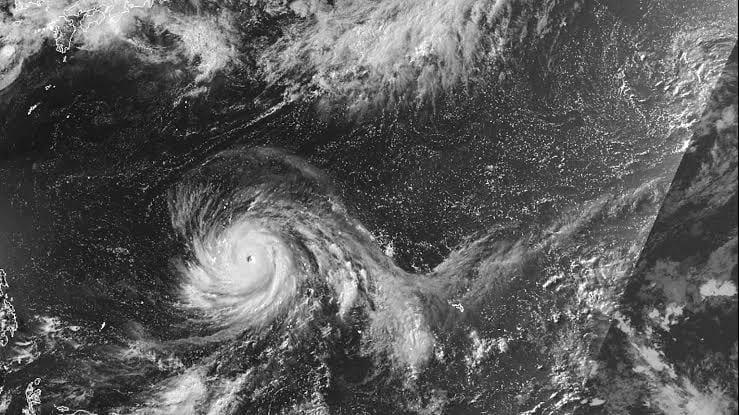
A 'super typhoon' with the force of a category-five hurricane tore through the US Pacific territories of Northern Marianas and Guam on Monday, causing major damage on the small island of Rota. The National Weather Service (NWS) reported that the 'entirety' of Rota was in the eye of Super Typhoon Bavi, with winds reaching up to 180 miles (290 kilometers) per hour. Local authorities on Rota have received reports of 'major damages', although the full extent remains unclear due to difficult communications.
Impact on Rota
The NWS had previously warned that a direct hit on Rota would make most of the island 'uninhabitable for weeks, perhaps longer', with nearly all trees snapped and power outages expected for 'weeks to possibly months'. The Rota Municipal Operations Center's public information officer, Lou Rosario, confirmed that some cellphone services were down due to a fallen tower.
Conditions in Other Islands
The island of Tinian, northern parts of Guam, and the southern tip of Saipan experienced winds equivalent to a category-one hurricane. NWS meteorologist Marcus Landon Aydlett stated that 'Super Typhoon Bavi is leaving the area' and conditions would gradually improve.
Preparations and Previous Storms
Residents in the affected areas had taken precautions, with many seeking shelter in interior rooms or local hotels. Edwin Santa Theresa, a health clinic worker on Tinian, noted that the main concern was the limited fuel supply. Rowell Mariano in Saipan compared the current storm to a previous typhoon in April, stating that the earlier storm was more traumatic.
Climate Context
The world's oceans experienced their hottest June on record, which can intensify tropical storms and increase moisture leading to heavy rain. The World Meteorological Organization has warned that El Nino, a natural climate phenomenon, has begun in the tropical Pacific and is likely to be strong, potentially leading to more frequent and severe storms.