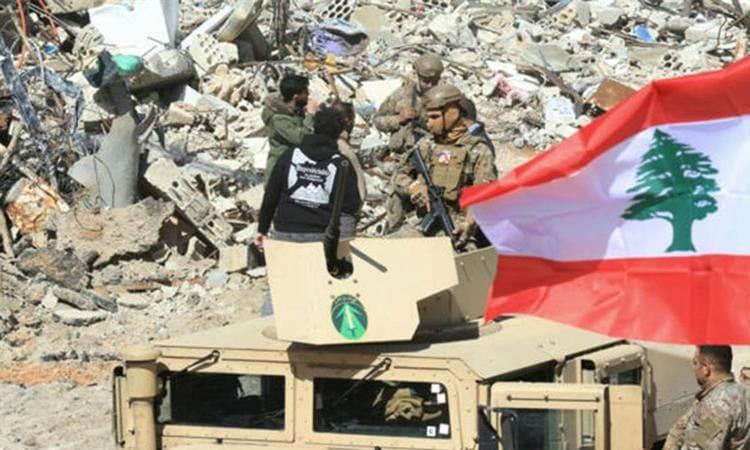
The Lebanese army began taking charge of security in three southern villages on Monday, the US said, as a deal to secure an Israeli withdrawal from south Lebanon and the disarmament of Hezbollah faced its first test on the ground. Operations have started in 'pilot zones' in Froun, Srifa and Zawtar al-Gharbiya 'in accordance with the Trilateral Framework and under the auspices of the Military Coordination Group for Lebanon.'
State Department spokesman Tommy Pigott described the step as 'a direct outcome' of talks held between Israeli and Lebanese delegations in Rome last week, adding that Washington would keep working with both sides 'to implement the framework to a successful conclusion.' The framework, signed by Lebanon, Israel and the United States on June 26 after several rounds of direct negotiations, envisions a phased Israeli pullback from positions in south Lebanon.
FAQs
What is the Trilateral Framework?
The Trilateral Framework is an agreement signed by Lebanon, Israel, and the United States on June 26, 2026, following several rounds of direct negotiations. It envisions a phased Israeli withdrawal from positions in south Lebanon, with the Lebanese Armed Forces assuming sole security control of vacated areas and certifying that they have been cleared of Hezbollah weapons and infrastructure.
What are the 'pilot zones'?
The 'pilot zones' are three southern villages—Froun, Srifa, and Zawtar al-Gharbiya—where the Lebanese army has begun taking charge of security as part of the Trilateral Framework. These zones are intended to trial the approach before it is extended to other areas.
What is Hezbollah's stance on the framework?
Hezbollah has rejected the framework, insisting that any arrangement in Lebanon be linked to wider negotiations between Washington and Tehran. It has not said whether it will resist implementation in the designated areas.
What is the current status of Israeli forces in Lebanon?
Israeli officials have vowed that their forces will remain in a'security zone' 10 kilometres deep along the frontier for as long as Hezbollah remains armed. Israel still launches occasional strikes in southern Lebanon and carries out detonations in villages it occupies near the border.