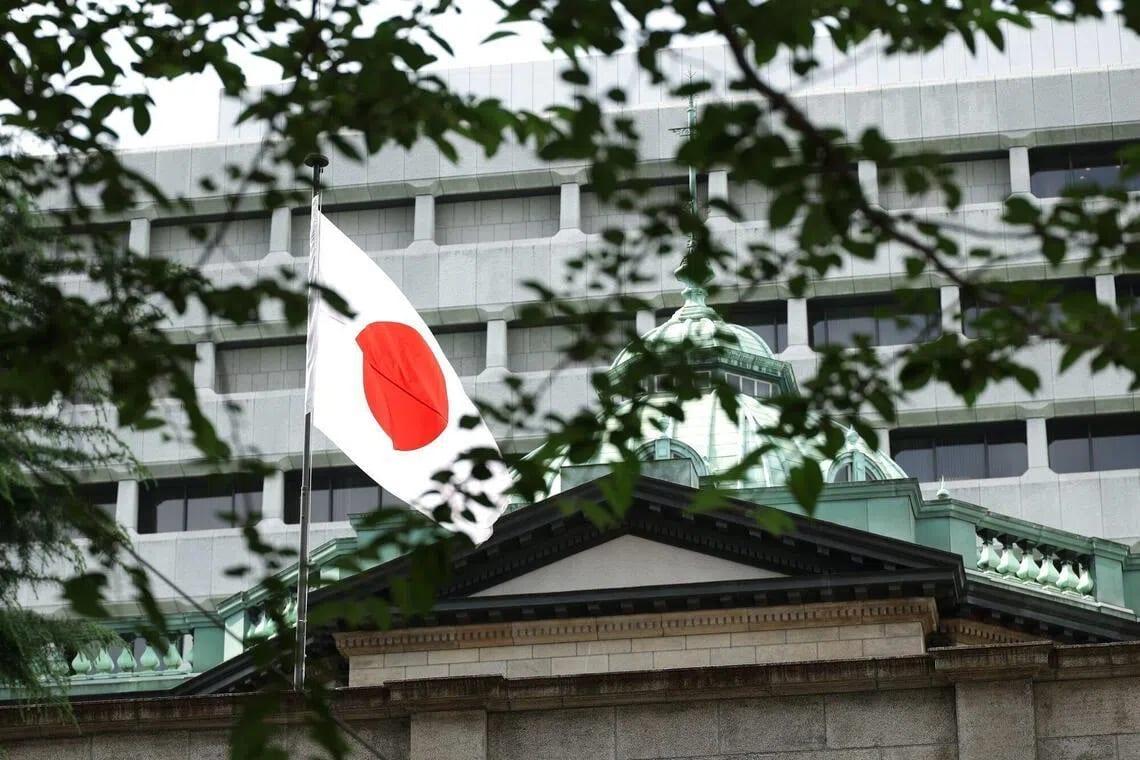
Japan has recognized the need to better combat foreign intelligence activities on its soil, following a report by The New York Times that Russia has turned the country into a 'den of spies' and a key source of weapons components. The NYT investigation revealed that Moscow is using Japan as a hub for intelligence gathering and procurement of dual-use technology needed for its war in Ukraine, due to the country's 'weak espionage laws'.
Government Response
Chief government spokesman Minoru Kihara stated on Monday that Japan must address the issue of foreign intelligence activities with greater rigor. 'We recognize that in a rapidly changing security environment there is a growing need to counter foreign intelligence activities -- such as the acquisition of critical information -- that threaten Japan's national security,' Kihara said. He declined to comment directly on the NYT report.
Details of the Report
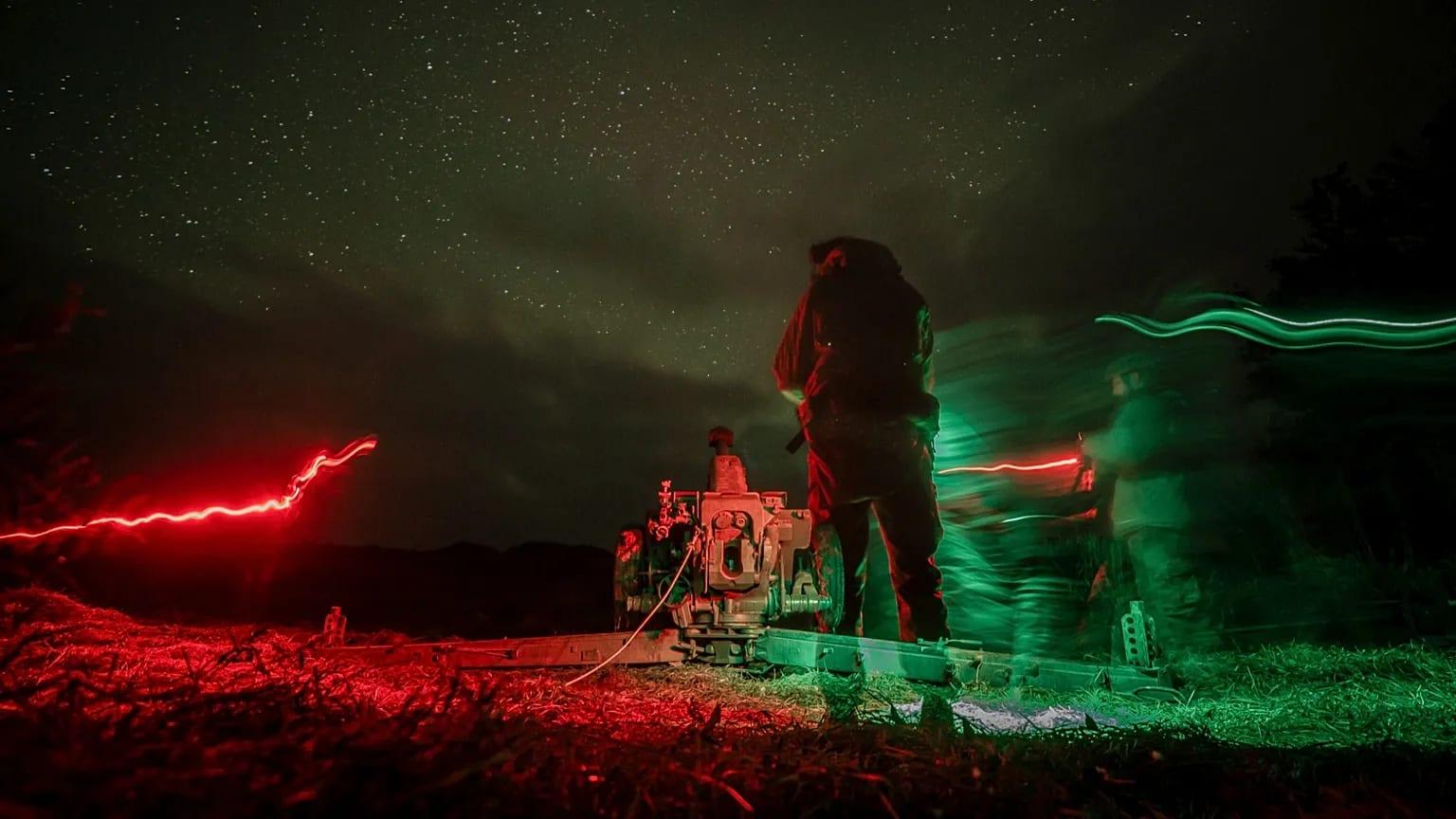
The NYT report cited Ukrainian government estimates that 90 percent of Russian missiles and drones contain Japanese components. It also revealed that Russia's operations in Japan are being run by Maksim Vladimirovich Filchenkov, a Russian intelligence operative working under cover at the Tokyo office of Russian airline Aeroflot. Due to direct export restrictions to Russia, procurement networks use intermediary companies and third countries like Vietnam, Uzbekistan, and Sri Lanka to move components into Russia.
Legislative Measures
In response to these concerns, Japan's parliament this year approved legislation paving the way for the creation of a new national body to coordinate its fragmented intelligence activities. This move is aimed at enhancing Japan's ability to counter foreign espionage and protect its national security.
Implications for Bangladesh
The situation underscores the importance for all countries, including Bangladesh, to strengthen their counter-espionage capabilities. As global security environments evolve, nations must be vigilant about protecting critical information and technology from foreign intelligence operations. This case highlights the need for robust legislative measures and coordinated intelligence efforts to safeguard national security.