The University Grants Commission of Bangladesh (UGC) has taken an initiative to set up new solar projects with private investment to ensure the supply of solar power to the country's public universities at a cheaper cost. The plan targets generating about 60 megawatts of rooftop solar power in 31 public universities in the first phase, according to a UGC press release.
Cost Reduction and Feasibility
Currently, the cost of each unit of electricity produced from solar power in the country is about Taka 15. However, it is possible to reduce this cost to less than half under the operating cost (OPEX) model. A feasibility study has already been completed in 47 public and one international university, indicating that initially, 31 public universities can generate 52.5 MW of solar power, which will be increased to about 60 MW after infrastructure expansion.
Technical and Commercial Aspects
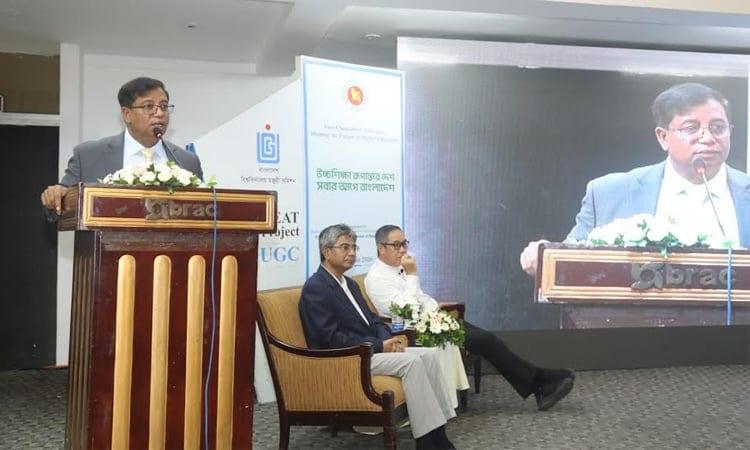
Daffodil International University Dean Professor Dr. M Shamsul Alam highlighted the technical and commercial aspects of rooftop solar power generation. He noted that in the experimental OPEX model, the tariff per unit of electricity was Taka 7.5. When the project capacity was increased to 3.5 MW, the cost came down to Taka 7 per unit. With policy support, customs, and tax adjustments, it is possible to reduce the production cost to Taka 6.5 per unit.
UGC Chairman's Remarks
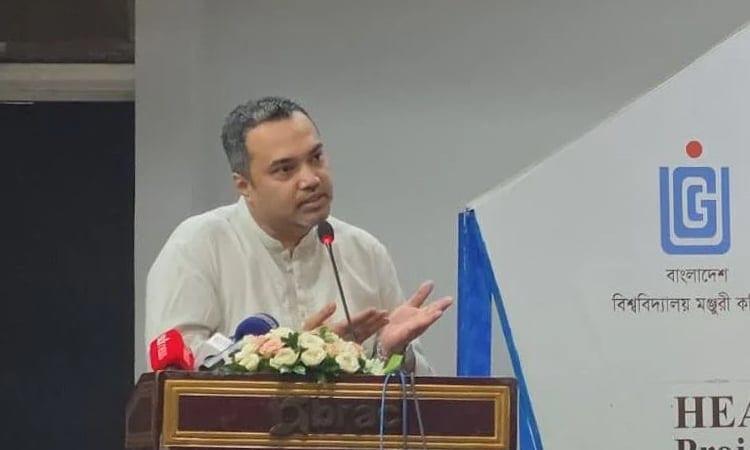
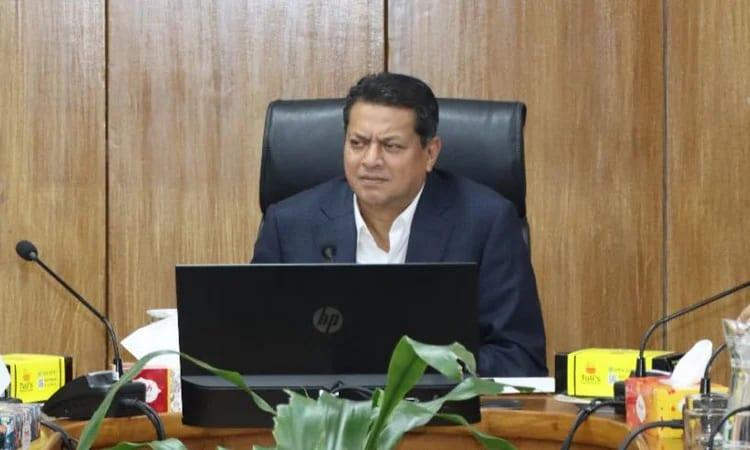
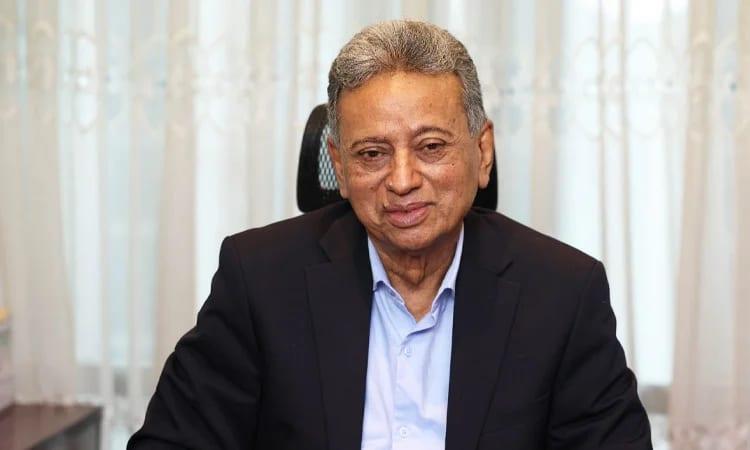
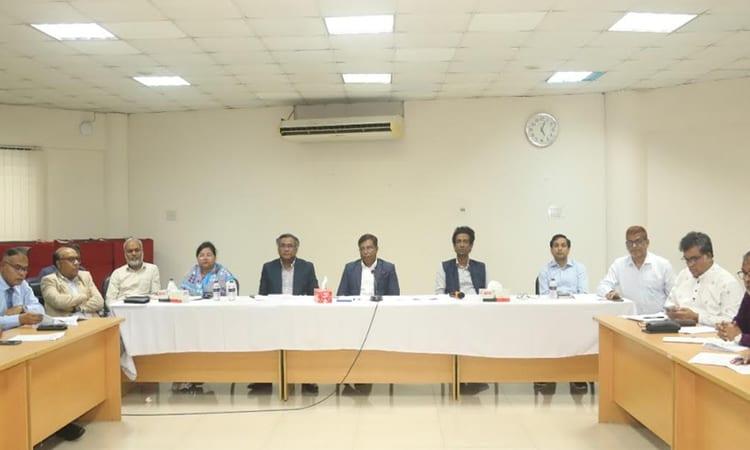
UGC Chairman Professor Dr. Mamun Ahmed presided over the meeting where the decision was announced. He stated that the private investor will be fully responsible for the construction, operation, and maintenance of solar power plants in the OPEX model. Consequently, there will be no need for any initial investment from the government. The universities will only pay for the electricity they use.
Benefits and Future Steps
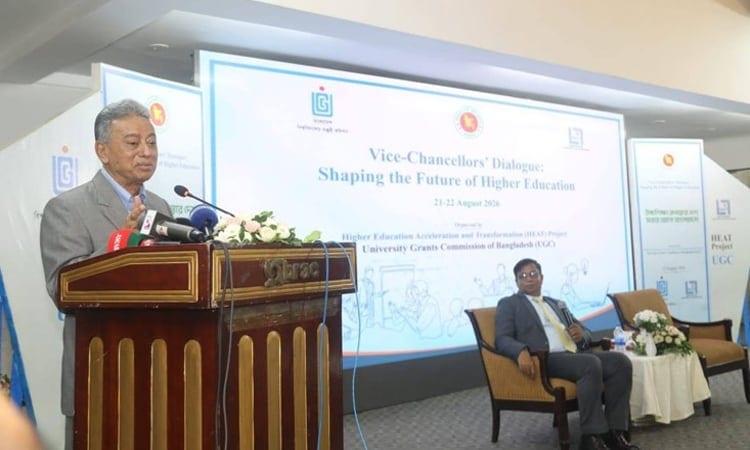
Professor Dr. Mamun Ahmed also mentioned that if tenders are invited and supervision and quality control are ensured centrally, private investment will increase further. This initiative will result in significant savings in the electricity bills of the universities and reduce the country's overall dependence on energy imports. The meeting was attended by Commission members, the UGC Secretary, and 31 vice-chancellors of public universities.