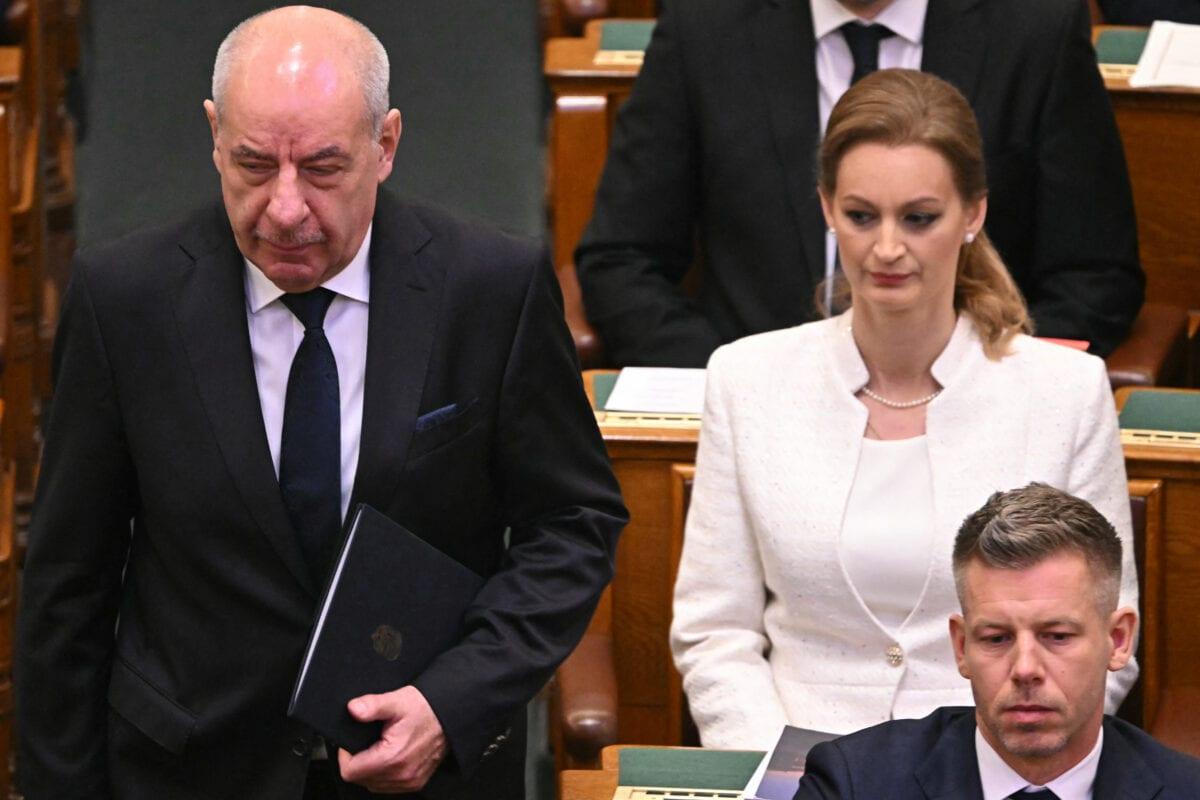
Hungarian lawmakers are set to vote on changing the constitution to oust President Tamas Sulyok, an ally of former Prime Minister Viktor Orban. Prime Minister Peter Magyar, who won a landslide victory in April, is pushing to remove Sulyok as part of his effort to undo the concentration of power that marked Orban's 16-year rule.
Background and Context
Magyar, who campaigned on a promise of'regime change' from Orban's rule, has accused Sulyok and other top state officials of being Orban's 'puppets'. Orban's Fidesz party has denounced Magyar's proposed 12-point amendment as 'autocratic', while rights watchdogs have also criticized the move. However, jurist Andras Baka, a former head of Hungary's supreme court, said the method is justified if it leads towards a new constitutional order.
The Proposed Amendment
The proposed amendment includes a 12-year or three-term limit on lawmakers, which would prevent several prominent opposition politicians from running for re-election in 2030. It would also restore the constitutional court's power to review budgetary acts and reintroduce a mandatory retirement age of 70 for its judges, reversing a 2013 amendment passed under Orban. Additionally, the amendment mandates the creation of a National Asset Recovery and Protection Office, granting it sweeping powers to combat corruption.
Political Implications
As Magyar's Tisza party enjoys a two-thirds majority in parliament, he does not need the opposition's support to rewrite the constitution. If the amendment passes and Sulyok fails to sign it, Magyar said Tisza would initiate impeachment proceedings against him in parliament. While Hungary's president has mainly ceremonial powers, Sulyok can veto laws or send them to the constitutional court for review.
Public Opinion and Next Steps
According to a May poll by the 21 Research Center, 67 percent of Hungarian voters want Sulyok out. The voting is scheduled to take place at 18:15 local time (1615 GMT) if there are no delays. Sulyok has insisted there is no reason for him to step down, arguing that Magyar's demands are 'incomprehensible' and unconstitutional.