Oil prices surged more than four percent on Monday as tensions between the United States and Iran escalated, threatening the already fragile truce between the two nations. This spike in oil prices comes amid renewed fighting over the crucial Strait of Hormuz, a key waterway for global oil shipments. The US military launched new strikes on Sunday in response to incoming fire targeting Washington's Gulf allies. Both main oil contracts saw significant increases, with West Texas Intermediate up 4.3 percent at $74.49 a barrel and Brent North Sea Crude up 4.2 percent at $79.21 a barrel.
Market Reactions
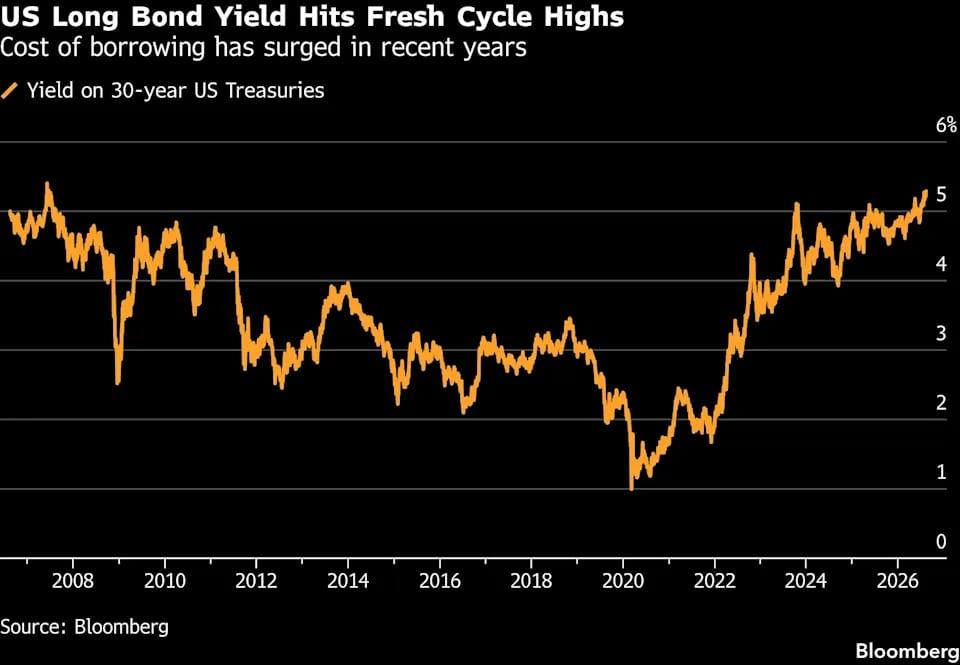
The renewed hostilities have raised concerns about inflation, which is already elevated due to the ongoing war. This has led to speculation that central banks may need to hike interest rates to control inflation. In equity markets, Seoul experienced significant losses, with the Kospi index dropping more than five percent. Tech firms, particularly in the semiconductor sector, faced renewed selling pressure. Market heavyweight SK hynix saw a 10 percent plunge, while Samsung declined more than six percent. Tokyo also saw losses, with tech firms Advantest and Tokyo Electron dropping more than one percent each.
Geopolitical and Economic Implications
The situation in the Strait of Hormuz remains critical, with Iran's Revolutionary Guards announcing the closure of the strait until further notice. The US Central Command (CENTCOM) has countered this claim, stating that the strait remains open to all vessels seeking to transit lawfully. Market analysts are cautious, noting that the situation could escalate rapidly. Fawad Razaqzada, a market analyst at Forex.com, warned that traders are forced to assume the worst-case scenario for now.
Tech Sector Volatility
The tech sector has been under pressure for weeks, with concerns about stretched valuations and the vast sums invested in the AI sector. The recent selloff in tech stocks reflects broader market anxieties about the sector's future. Investors are closely watching the upcoming earnings season, with reports expected from major players like TSMC and ASML. Wall Street banks, including JP Morgan, Bank of America, and Goldman Sachs, are also set to release their earnings, providing further insight into the market's outlook.
Currency and Commodity Movements
The US dollar strengthened on safe-haven buying and expectations that the Federal Reserve may need to raise interest rates to combat inflation. The euro and pound both weakened against the dollar, while the yen saw some gains. Commodity markets were also affected, with gold prices rising as investors sought safer assets.
Why This Matters for Bangladesh
The spike in oil prices and volatility in tech stocks have global implications, including for Bangladesh. Higher oil prices can lead to increased costs for imports, potentially affecting inflation and the overall economy. Additionally, the tech sector's performance can influence investment flows and market sentiment, impacting Bangladesh's growing tech industry. Monitoring these global trends is crucial for policymakers and businesses in Bangladesh to navigate the evolving economic landscape.