The US military launched a new wave of strikes against Iran on Sunday after renewed fighting over the Strait of Hormuz saw several of Washington's Gulf allies targeted by incoming fire. The flare-up is the latest to undermine an interim agreement between Washington and Tehran aimed at ending their war, which has caused global economic shockwaves since it began in late February.
Background and Context
The conflict between the US and Iran has been ongoing since late February, leading to significant global economic disruptions. The Strait of Hormuz, a critical waterway for global oil shipments, has become a focal point of the conflict. Iran has repeatedly threatened to close the strait, a move that would severely impact global oil supplies.
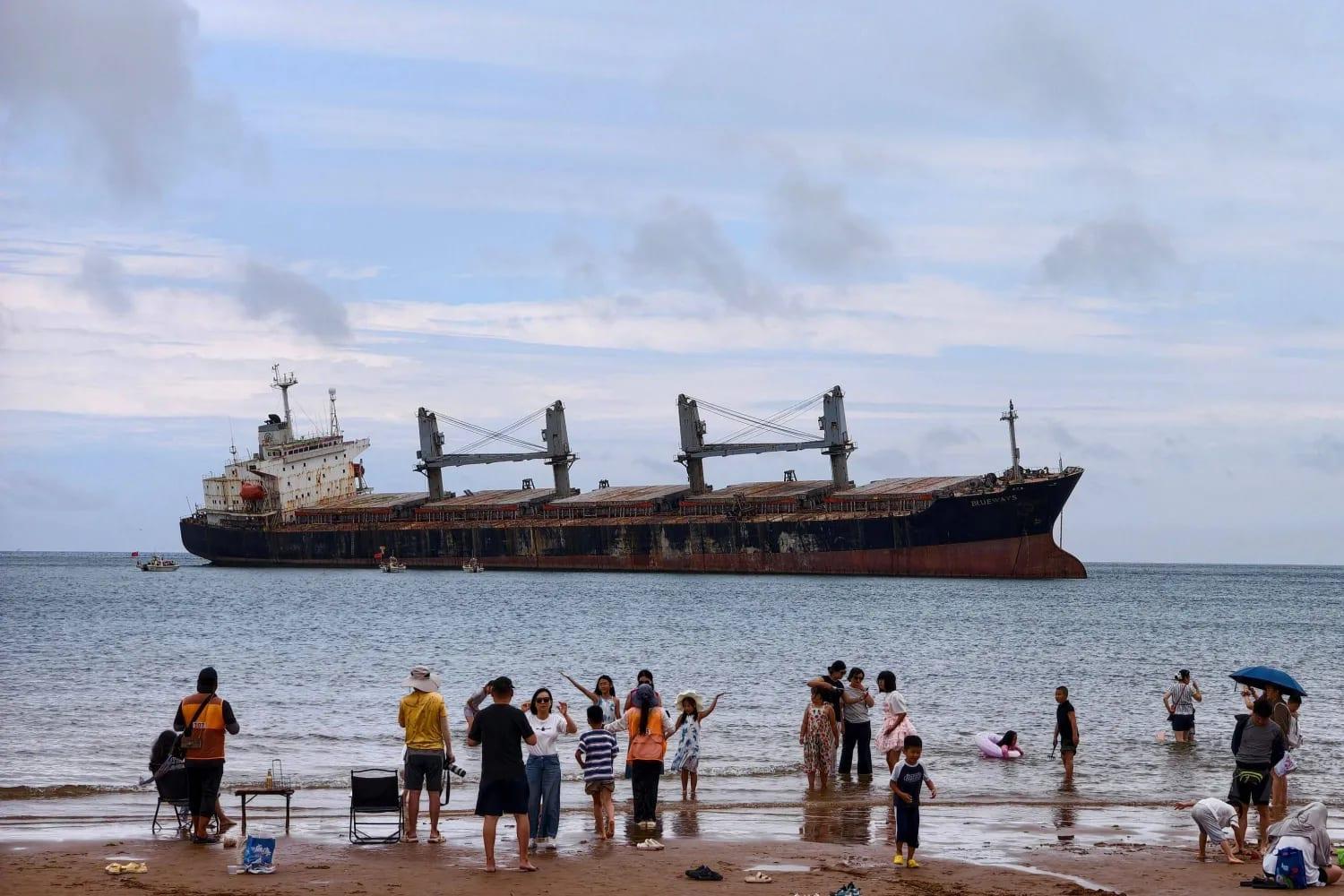
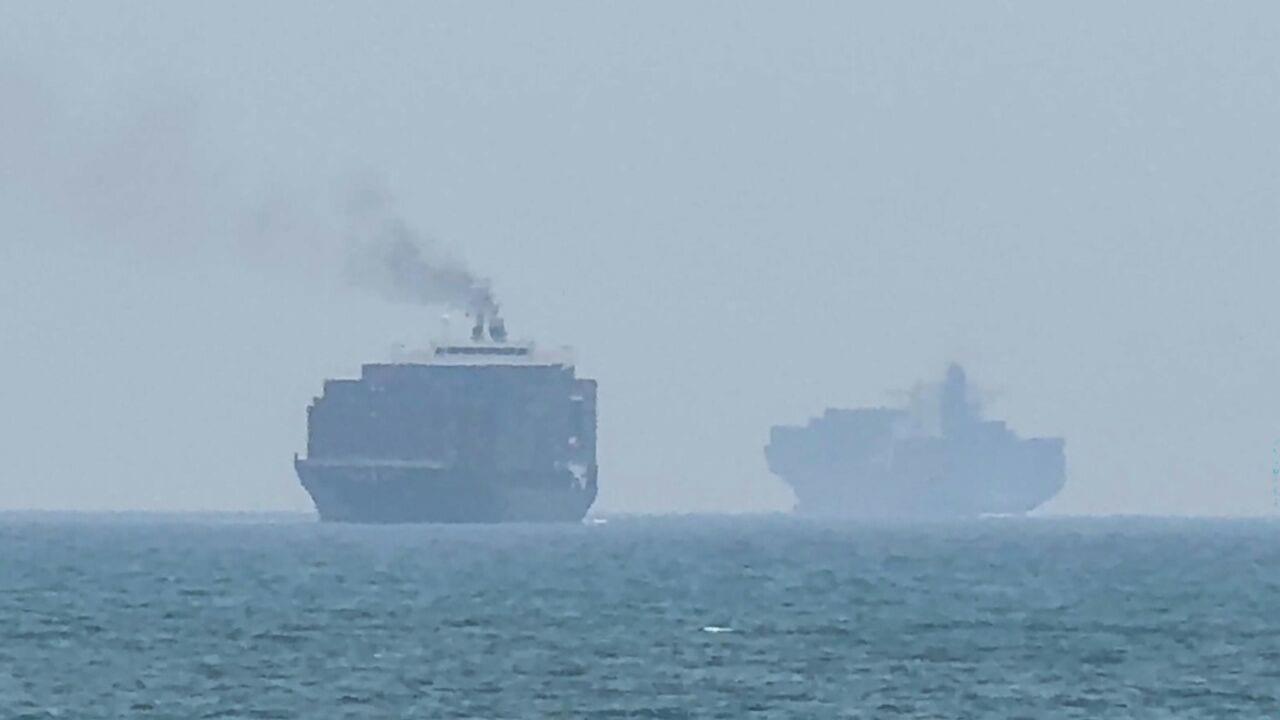
The latest escalation began with an Iranian attack on a commercial ship in the Strait of Hormuz early Sunday. The ship caught fire, forcing the crew to abandon it. In response, the US military conducted approximately 140 strikes on Iranian targets, followed by additional strikes later that evening.
Impact on the Region
The renewed fighting has had immediate consequences for the region. Oil prices rose over 3.5 percent when futures trading opened Monday in Tokyo, with the US benchmark WTI jumping above $74 a barrel. Iran reported strikes on two of its southern islands, while Kuwait said border posts and an offshore oil platform had been attacked.
The situation escalated further as Iran's Revolutionary Guards announced the closure of the Strait of Hormuz until further notice, a claim countered by US Central Command, which stated that the strait remained open to all vessels. The US military affirmed its commitment to ensuring freedom of navigation in the region.
International Reactions and Calls for De-escalation
International mediators have been working to salvage a diplomatic solution to the conflict. Pakistan's top diplomat called for de-escalation during a phone call with his Iranian counterpart, emphasizing that dialogue and diplomacy are the only viable paths to resolving disputes. UN Secretary-General Antonio Guterres also called for an end to the attacks, stating that 'these attacks must stop.'
Significance for Bangladesh
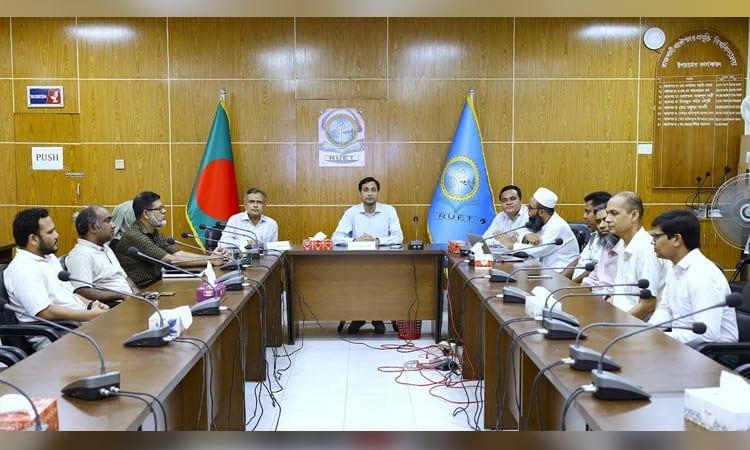
The ongoing conflict and its impact on global oil prices have significant implications for Bangladesh. As an importer of crude oil, any disruption in the supply chain or increase in oil prices can affect the country's economy. Additionally, the instability in the region could have broader geopolitical implications, potentially impacting Bangladesh's trade and diplomatic relations with both the US and Iran.