Oil prices surged more than four percent on Monday as fresh hostilities between the United States and Iran threatened their fragile truce, sparking concerns over the stability of the Strait of Hormuz. The renewed fighting followed an Iranian attack on a commercial ship in the strait, leading Iran's Revolutionary Guards to declare the strait closed until further notice. The US military responded with new strikes, asserting that the strait remains open to lawful transit.
Oil Market Reactions
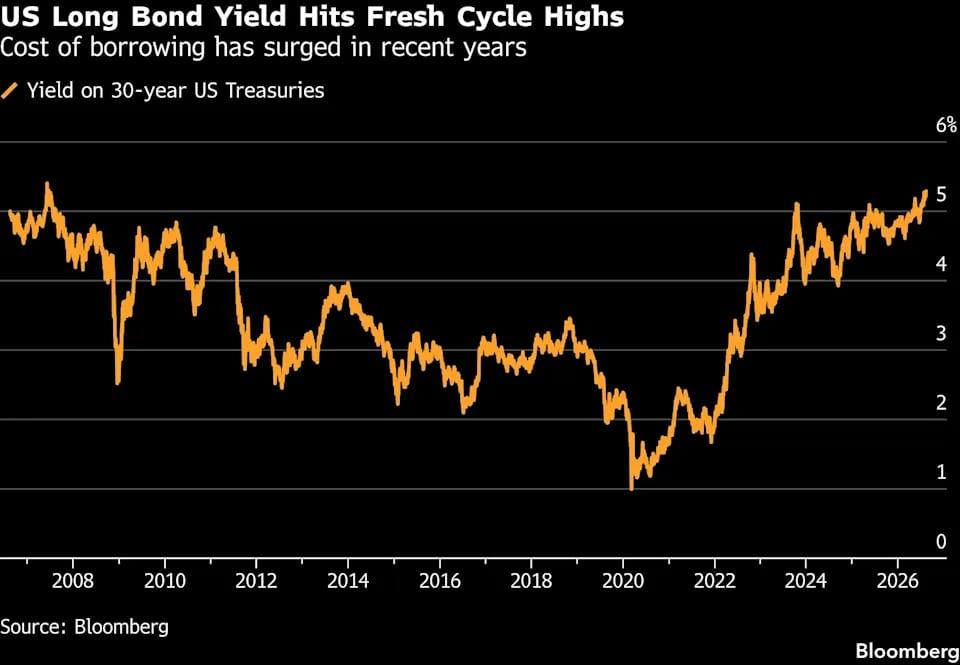
Both main oil contracts spiked as much as 4.5 percent, raising fears that inflation, already elevated due to the ongoing war, could prompt central banks to increase interest rates. Analysts noted that while the resumption of hostilities has driven up crude prices, they are unlikely to reach the highs seen at the war's outbreak in March. The current spike reflects market uncertainty about the stability of the US-Iran arrangement.
Tech Sector Woes
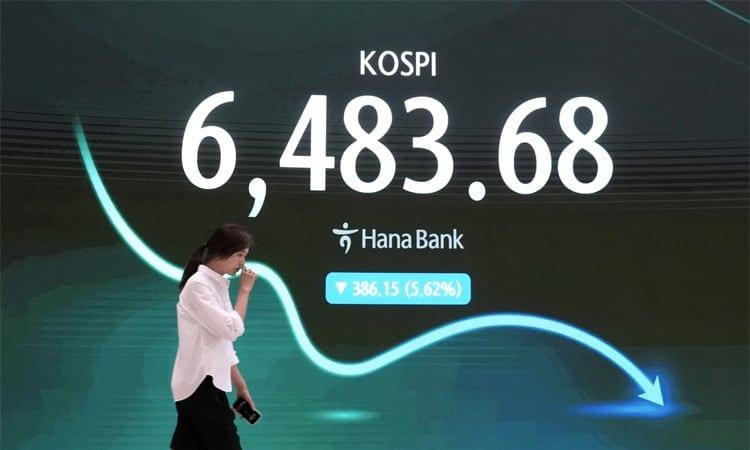
Seoul's Kospi index tanked more than five percent as tech firms faced renewed selling pressure, driven by concerns over stretched valuations and the sums invested in the AI sector. Market heavyweight SK hynix plunged 10 percent, while Samsung dropped over six percent. Tokyo also saw losses in tech firms like Advantest and Tokyo Electron.
Market Sentiment and Currency Movements
The dollar strengthened on safe-haven buying and expectations that the Federal Reserve may need to hike rates to control war-induced inflation. Investors are also preparing for the upcoming earnings season, with reports from major tech firms like TSMC and ASML expected to provide insights into the AI industry's outlook.
Why This Matters
The spike in oil prices and the tech sector's volatility have significant implications for global markets. For Bangladesh, these developments could impact import costs, inflation, and the overall economic stability. The situation underscores the need for careful monitoring of geopolitical tensions and their potential economic repercussions.