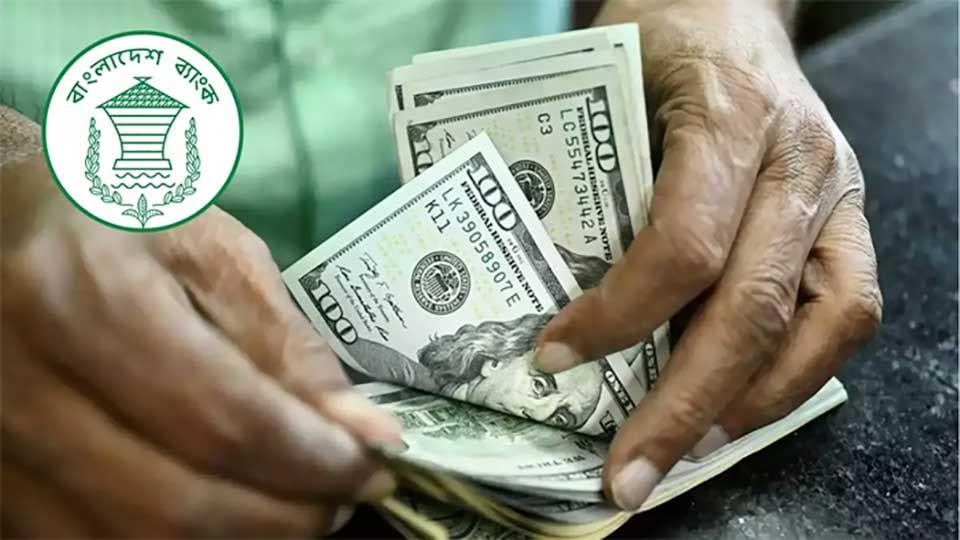
Bangladesh's gross foreign exchange reserves have reached $36.58 billion, as reported by Bangladesh Bank (BB). This significant increase indicates a robust financial position for the country. The reserves calculated under the IMF's BPM6 methodology stood at $31.94 billion. This rise in reserves is crucial for maintaining economic stability and supporting the country's financial needs.
Economic Significance
The increase in foreign exchange reserves is a positive indicator for Bangladesh's economy. Higher reserves provide a buffer against external shocks, support the value of the local currency, and enhance the country's ability to meet international obligations. This financial stability is essential for attracting foreign investment and maintaining confidence in the economy.
Context and Background
Bangladesh has been working towards strengthening its foreign exchange reserves through various measures, including increasing exports, attracting remittances, and securing foreign investments. The recent rise in reserves reflects the effectiveness of these strategies. The country's consistent efforts to diversify its economy and reduce dependence on a few sectors have also contributed to this positive trend.
Implications for the Future
With higher foreign exchange reserves, Bangladesh is better positioned to handle economic challenges and pursue growth opportunities. The government and central bank can use these reserves to support development projects, stabilize the currency, and ensure financial security. This financial strength will also play a crucial role in the country's ongoing efforts to achieve middle-income status.
Why This Matters
For Bangladesh, maintaining high foreign exchange reserves is vital for economic stability and growth. It ensures the country can meet its import needs, service external debt, and respond to unforeseen economic events. The recent increase in reserves is a testament to the country's economic resilience and the effectiveness of its financial policies.