EU foreign ministers on Monday discussed imposing an import ban on products from Israeli settlements, following pressure from several member states. The meeting in Brussels aimed to gauge support for such a measure, though no concrete decisions were expected. The debate comes amid growing pressure for the EU to take action against settlements in the occupied Palestinian territories, considered illegal under international law.
Growing Pressure for Action
Several EU countries, including Ireland, the Netherlands, and Spain, have already imposed their own trade restrictions on Israeli settlements. Under pressure for the EU as a whole to take measures, the bloc's executive last week laid out options to curb trade with settlements, including a ban.
Mixed Reactions and Slow Progress
The slow pace of the discussion has angered countries keen to curb trade, with some diplomats accusing the European Commission of dragging its feet. Belgium's foreign minister Maxime Prevot criticized the options laid out as more 'a bone to gnaw on than a genuine desire to move forward.'
Divisions and Uncertainty
There is disagreement in Brussels as to whether the move would need backing from all 27 member states or just a weighted majority. Key players Germany and Italy remain undecided on the issue.
Background and Context
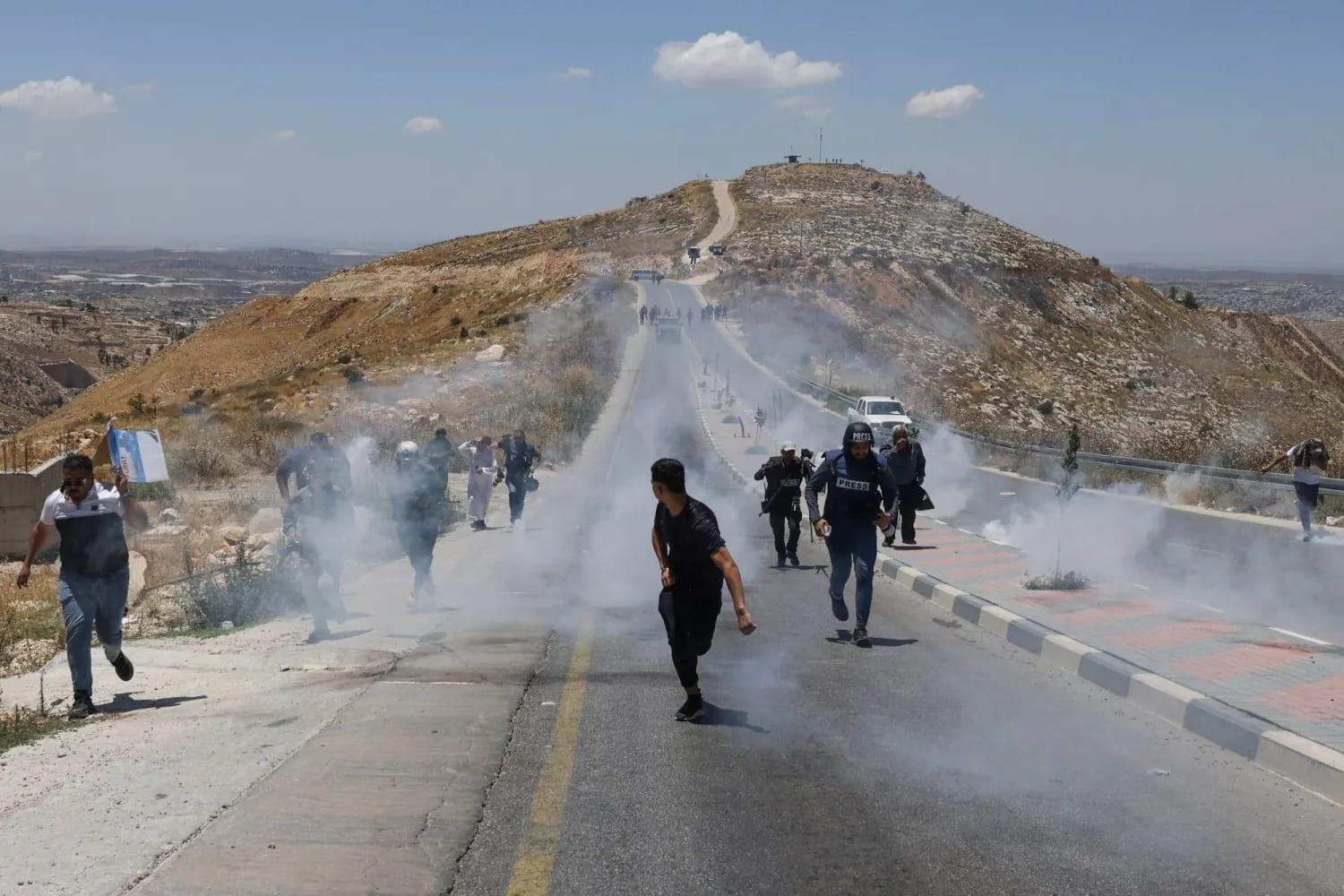
Israel has occupied the West Bank since 1967, with more than 500,000 Israeli settlers living in the territory among some three million Palestinians. The UN chief Antonio Guterres has condemned the 'relentless' expansion of Israeli settlements in the West Bank, saying they are contributing to the territory's worst displacement crisis since 1967.
Significance for Bangladesh
The potential EU trade ban on Israeli settlements could have implications for global trade dynamics, including for Bangladesh. As a major player in the textile and garment industry, Bangladesh often navigates complex international trade relationships. Changes in EU trade policies could impact market access and supply chains for Bangladeshi products. Additionally, the debate highlights the ongoing international focus on human rights and international law, areas of growing importance for Bangladesh's foreign policy and global standing.