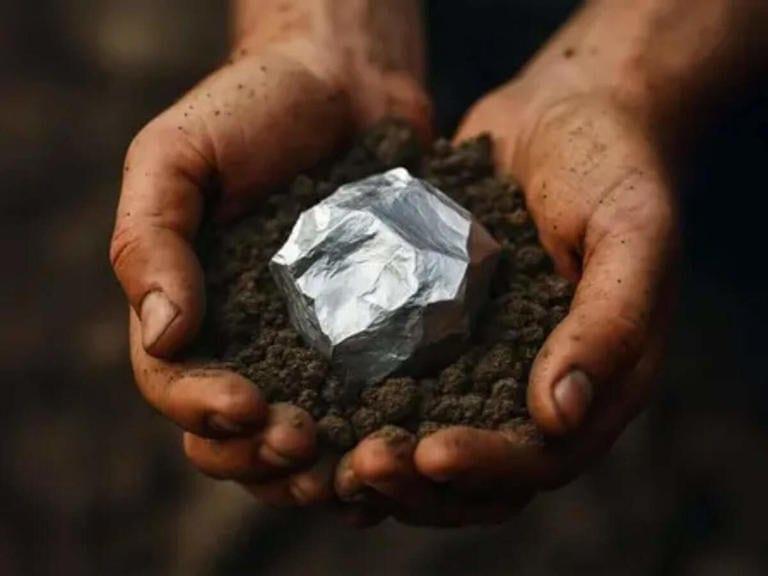
Japan is set to conduct full-scale mining tests for rare earth minerals from a seabed near Minami Torishima in February 2027. This follows a successful mission that recovered samples from a depth of six kilometers below the surface. The samples included traces of yttrium, a globally scarce element used in various high-tech industries. Prime Minister Sanae Takaichi emphasized the importance of reducing dependence on specific countries for these critical minerals.
The Japan Agency for Marine-Earth Science and Technology (JAMSTEC) confirmed the presence of gadolinium and dysprosium in the recovered material. These rare earths are essential for manufacturing semiconductors, catalysts, and other advanced technologies. The move is part of Japan's broader strategy to strengthen supply chain resilience and reduce reliance on China, which dominates global rare earth production.
Environmental concerns have been raised regarding the potential impact of deep-sea mining on marine ecosystems. However, the Japanese government remains committed to the project, highlighting the strategic importance of securing domestic sources of rare earths. Prime Minister Takaichi has also discussed potential cooperation with the United States on mining efforts around Minami Torishima.
The surrounding seabed is believed to contain millions of tonnes of rare earths, which could ensure long-term supplies. This initiative comes amid ongoing tensions with China, which has restricted rare earth supplies to Japan following political disputes. The Japanese government is also considering Minami Torishima as a potential site for nuclear waste storage.