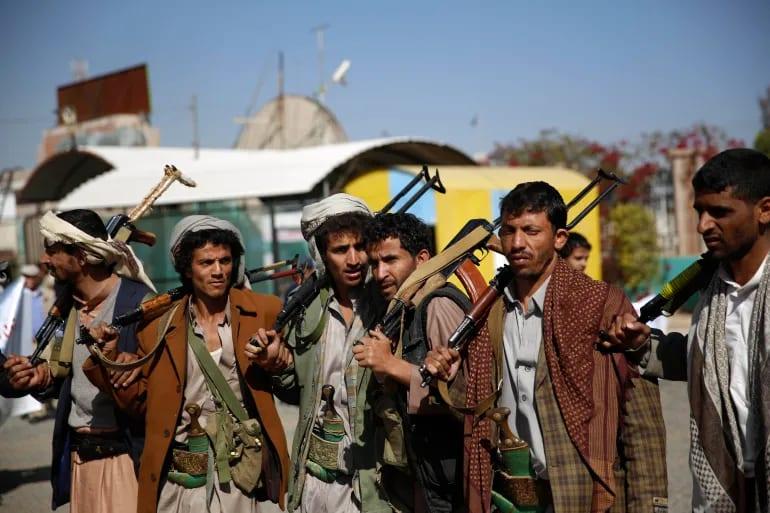
Hamas, the Palestinian Islamist movement, announced the dissolution of the governing body that has administered the Gaza Strip for nearly two decades. This move clears the way for a technocratic committee, the National Committee for the Administration of Gaza (NCAG), to take over the administration of the territory. The decision marks a significant political shift for Hamas, which has controlled Gaza since 2007.
Background and Context
Hamas took control of Gaza in 2007 after winning legislative elections and seizing power from rival Palestinian movement Fatah. Since a ceasefire between Hamas and Israel took effect in October 2025, Hamas has indicated a willingness to step aside from day-to-day governance. However, the issue of Hamas's disarmament remains unresolved.
Announcement Details
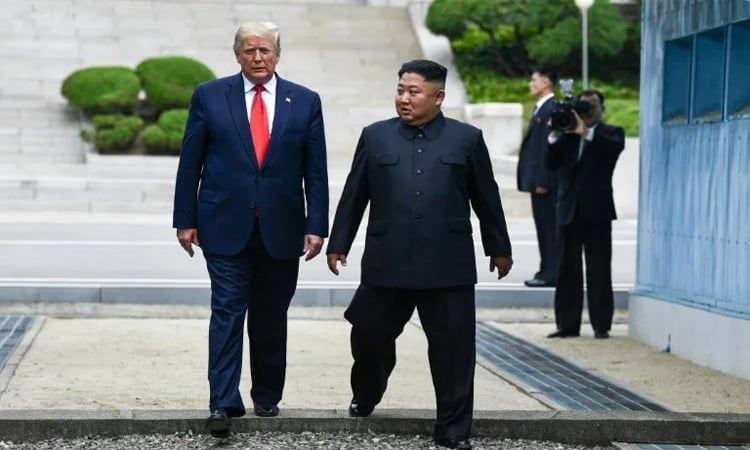
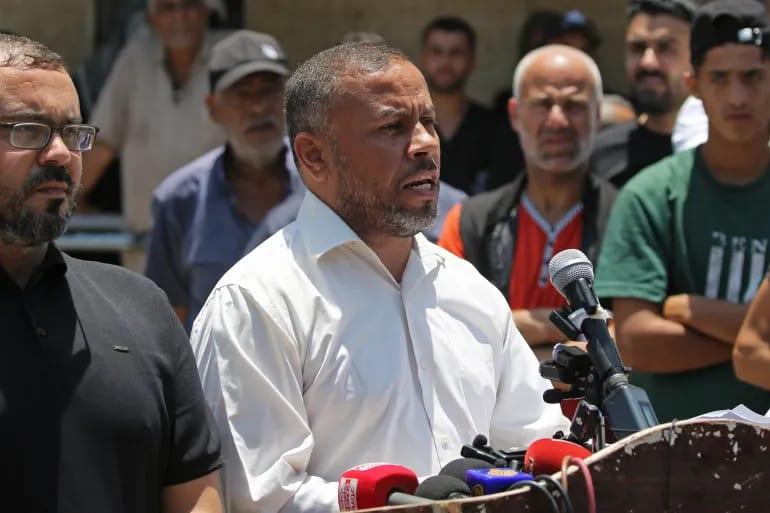
Ismail al-Thawabta, head of Hamas's media office in Gaza, stated that the head of the government's emergency committee had decided to dissolve the committee to facilitate the transition to the NCAG. The NCAG, currently based in Cairo, was established by the Board of Peace, which US President Donald Trump set up when brokering the ceasefire in October 2025.
Reactions and Implications
Hamas spokesman Hazem Qassem said the group decided to relinquish charge to remove any pretexts for Israeli aggression. Ali Shaath, head of the NCAG, expressed readiness to assume national responsibilities once necessary resources are available. The Board of Peace emphasized the need for consolidating all weapons under the NCAG's control, as per the Comprehensive Gaza Peace Plan and UN Security Council Resolution 2803.
International and Local Responses
Israel reiterated its demand for the full disarmament of Hamas, while UN chief's spokesperson Stephane Dujarric welcomed Hamas's move, provided it contributes to advancing relevant Security Council resolutions. Political expert Mkhaimar Abusada described Hamas's move as a 'symbolic gesture,' noting that disarmament remains a sticking point.
Ongoing Challenges and Future Prospects
Despite the ceasefire, violence continues in Gaza, with at least 1,072 Palestinians killed since the truce took effect, according to Gaza's health ministry. Israeli forces have expanded their presence in Gaza, controlling nearly 70 percent of the territory. The second phase of the ceasefire, involving Hamas's disarmament and a gradual withdrawal of Israeli forces, remains stalled.