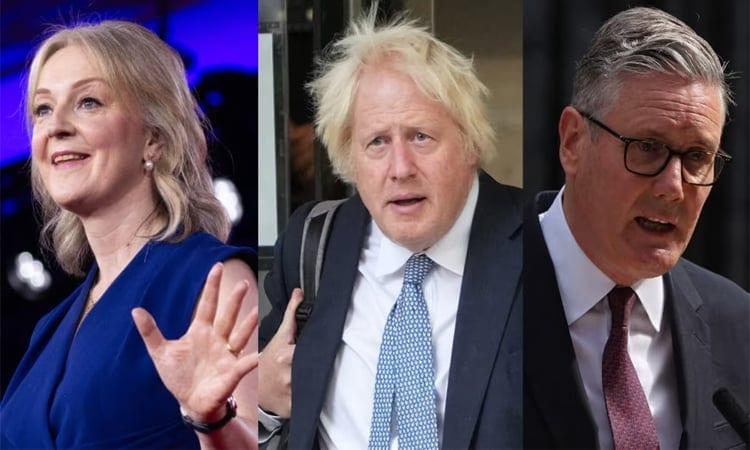
Britain is set to gain its seventh prime minister since the start of 2016 as Andy Burnham takes over following the resignation of Keir Starmer. This rapid turnover in leadership has been a hallmark of British politics over the past decade, marked by instability and frequent changes at the helm.
The trend began with David Cameron's resignation in 2016 following the Brexit referendum, which led to a series of short-lived prime ministers including Theresa May, Boris Johnson, Liz Truss, and Rishi Sunak. Labour had criticized the Conservatives for their frequent changes in leadership, but found itself in a similar situation after Starmer's resignation.
Starmer, who won a landslide victory in July 2024, resigned in June 2026 amid nose-diving poll ratings and internal party struggles. Veteran Labour politician Andy Burnham, who has now taken over, acknowledged the need for more stable politics in his opening speech.
The frequent changes in leadership have had significant implications for Britain's political and economic stability. Each prime minister has faced unique challenges, from navigating Brexit to managing the COVID-19 pandemic and addressing the cost-of-living crisis.
For Bangladesh, the political instability in Britain could have implications for diplomatic relations and trade agreements. The rapid changes in leadership may lead to uncertainties in policy decisions that affect international partnerships.