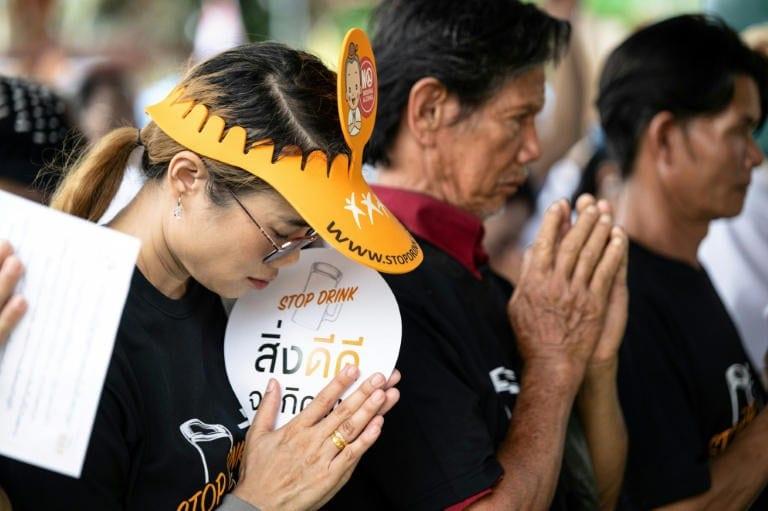
Pravarana Purnima is one of the significant religious festivals for Buddhists. The term 'Pravarana' signifies both accepting and prohibiting certain actions. In the context of 'accepting,' it refers to committing to a life of pure conduct and virtue, while 'prohibiting' involves abstaining from actions contrary to Buddhist ideals and ethics. After the end of the rainy season retreat, monks confess their faults to each other and seek atonement. Even unintentional offenses require an apology. Gautama Buddha introduced this practice during his stay in Jetavana, Shravasti.
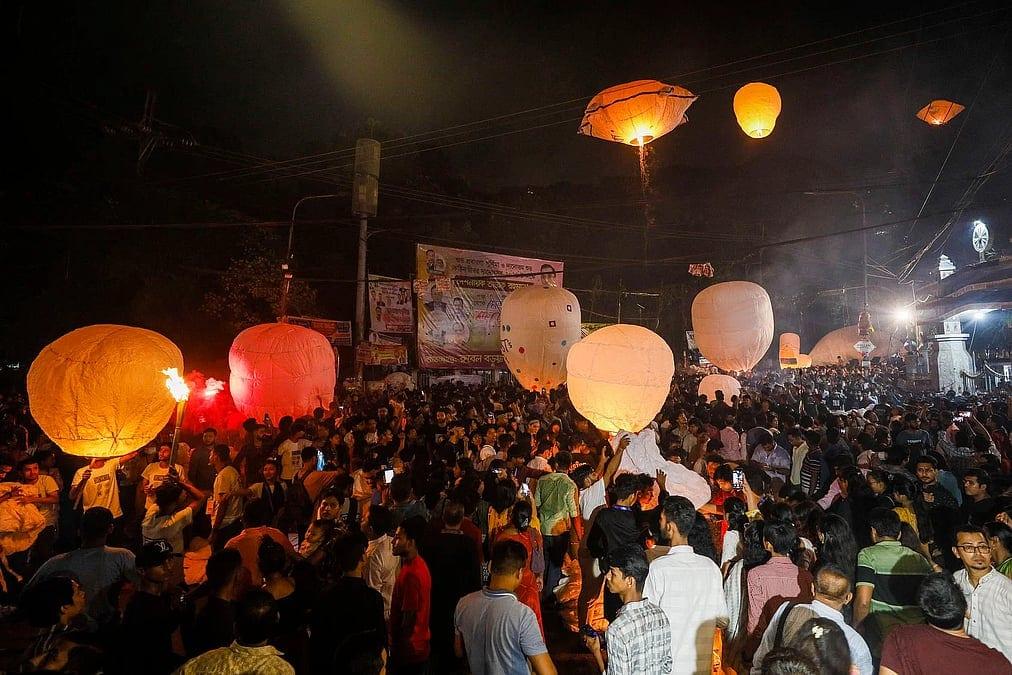
The festival is celebrated on the full moon day of the Ashwin month. Following Pravarana, monks are required to travel to villages to spread the knowledge they have acquired. During this time, they propagate messages of welfare for the benefit of all beings. After Pravarana concludes, the Kathina Civara Dana festival is held in every Buddhist monastery. Another festive aspect of Pravarana Purnima is the flying of lanterns. According to Buddhist scriptures, Buddha used his spiritual powers to visit the heavens and preach to his mother, descending to earth on this day. Therefore, Buddhists fly lanterns in the sky as a symbolic act of lighting lamps to celebrate Pravarana Purnima.