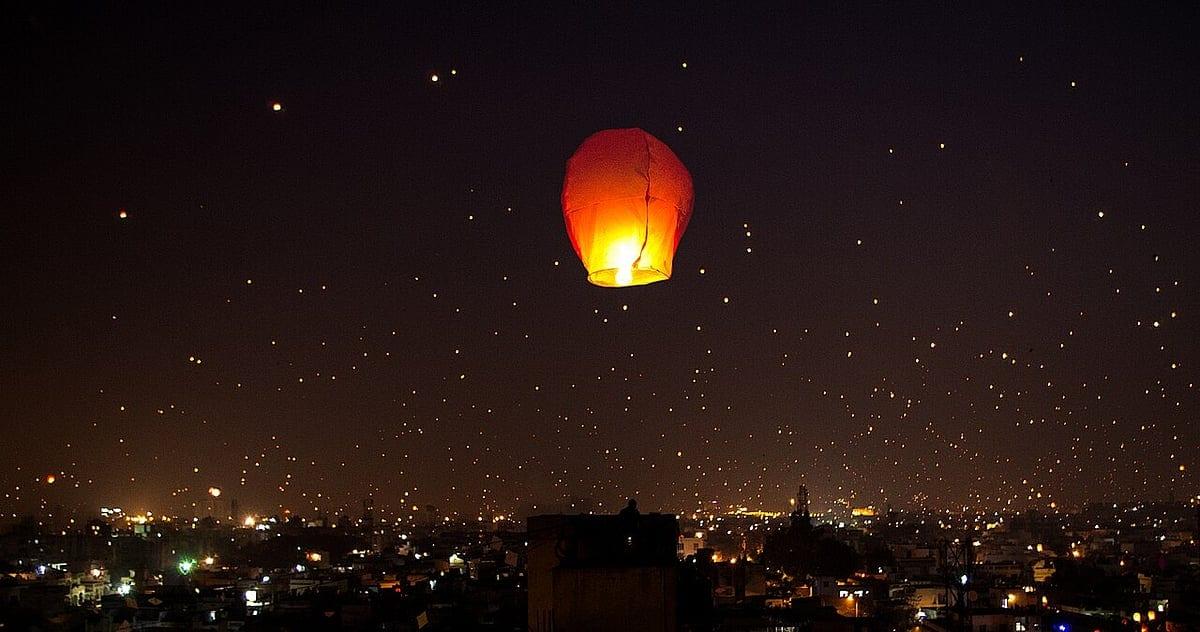
Mukher Sangkranti, celebrated as Poush Sangkranti in Bangladesh, marks the transition of the sun into the Capricorn zodiac, signifying the end of winter and the beginning of longer days. This festival is widely observed across India and Bangladesh with various regional names and traditions. In Bangladesh, it is particularly noted for the preparation and enjoyment of traditional sweets like Pithe and Puli. These sweets, made from rice flour, jaggery, and sesame seeds, are offered to ancestors and household deities as part of the festivities. The day also involves rituals like Gangasnan, or bathing in the Ganges, believed to cleanse sins and bring good fortune. The festival is a time for community gatherings, with people coming together to share meals, sing songs, and engage in traditional dances. In West Bengal, the Gangasagar Mela is a significant event where thousands gather at the confluence of the Ganges and the Bay of Bengal to take a holy dip. The festival also has mythological significance, with stories of Kapil Muni and the liberation of King Sagar's sons. Additionally, it is believed that on this day, Bhishma Pitamah of the Mahabharata chose to leave his life, and the sun visits its son, Shani, in the Capricorn zodiac. The festival symbolizes the victory of good over evil and the renewal of life with the changing seasons.
Regional Variations and Traditions
Mukher Sangkranti is celebrated differently across various regions of India. In Tamil Nadu, it is known as Pongal, a harvest festival marked by the preparation of sweet rice dishes and the decoration of homes with colorful rangolis. In Assam, it is called Bhogali Bihu, where people feast on pithas and engage in community bonfires. In Gujarat, it is celebrated as Uttarayan, with kite-flying being a major attraction. In Punjab and Haryana, Lohri is celebrated with bonfires and the distribution of tilgul (sesame and jaggery sweets). Each region has its unique customs and rituals, but the underlying theme of celebrating the harvest and the changing season remains consistent.
Mythological and Astrological Significance
The festival has deep mythological roots. It is believed that on this day, the sun enters the Capricorn zodiac, marking the beginning of Uttarayan, the northward journey of the sun. This transition is considered auspicious and is celebrated with various rituals. One popular legend associated with the festival is the story of Kapil Muni, where it is said that the Ganges River entered his ashram on this day, leading to the liberation of King Sagar's sons. Another significant aspect is the belief that Bhishma Pitamah of the Mahabharata chose to leave his life on this day. Additionally, it is believed that the sun visits its son, Shani, in the Capricorn zodiac, adding to the festival's astrological significance.