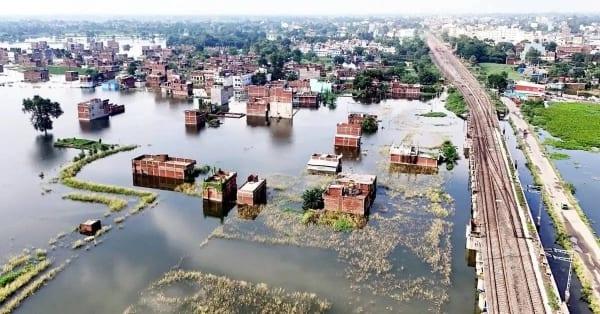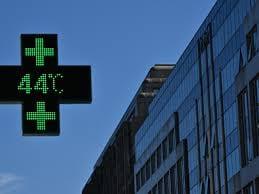
The World Health Organization (WHO) has issued a stark warning that the heatwave currently gripping Europe is placing people's health at significant risk. WHO Director-General Tedros Adhanom Ghebreyesus emphasized the need for European leaders to invest in making their health services more resilient to climate change. Temperatures across the continent have soared, leaving tens of thousands without power and highlighting Europe's inadequate preparedness for extreme heat.
Rising Temperatures and Health Risks
Tedros Adhanom Ghebreyesus pointed out that temperatures in Europe are rising at roughly twice the global average rate, increasing the likelihood and severity of extreme heat events in the future. He stressed that the data are clear: human-driven climate change is amplifying such extremes, with weather events like heatwaves, droughts, and floods becoming more intense and frequent.
Immediate and Future Health Impacts
The current heatwave is significantly exacerbated by human-induced climate change. A recent scientific study indicates that without climate change, current temperatures would be 2 to 4°C cooler. The WHO has urged people to be aware of the difference between heat exhaustion and heatstroke, noting that high-intensity heatwaves can bring high acute mortality. In 2003, 70,000 people in Europe died as a result of the June-August heatwave.
WHO Recommendations for Heat Protection
The WHO recommends several measures to protect against heat-related illnesses. These include using electric fans only when temperatures are below 40°C, setting air conditioning thermostats to 27°C, and drinking at least two to three litres of water per day during heat episodes. The agency also advises that it may be cooler outdoors in the shade.
Call to Action for Leaders
Tedros Adhanom Ghebreyesus called on European leaders to prioritize investment in climate-resilient health systems while accelerating climate action and mitigating the drivers of the climate crisis. He emphasized that further delay is not an option, given the clear and present danger posed by rising temperatures and extreme weather events.