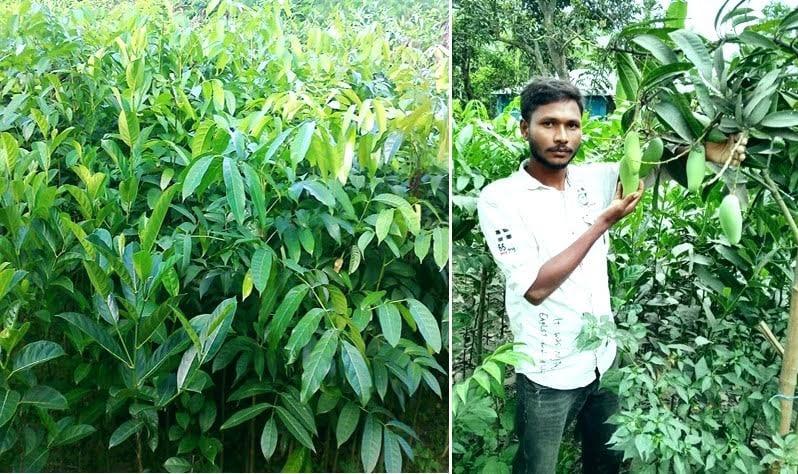
The government's initiative to plant 25 crore trees across Bangladesh over the next five years has led to a significant increase in demand for saplings, significantly boosting the nursery sector in Rangpur's agricultural region. Private nursery owners have expanded their production of timber, fruit, and medicinal plant saplings to capitalize on the growing demand and support the government's programme. The Department of Agricultural Extension (DAE) officials report that the private sector nursery business is rapidly expanding, improving the fortunes of many rural families and stimulating the rural economy. Prime Minister Tarique Rahman's announcement and subsequent launch of the programme have seen heightened demand and sales of saplings in nurseries, with government departments, agencies, educational institutions, and political leaders participating in tree planting activities. The DAE's Additional Director at the Rangpur regional office, Md Shirajul Islam, noted that the tree plantation campaign has reached new heights following the government's announcement. The nursery business has become highly profitable, aiding rural people in reducing poverty and achieving self-reliance, while also enhancing the environment, ecosystems, and biodiversity. Nursery owners like Abdul Ohid Sheikh, Abdul Bari, and Ripon Mia have expanded their operations, reporting increased sales and demand for saplings since the programme's announcement. The initiative not only promises environmental benefits but also economic upliftment for rural communities, aligning with the government's goals of ecological restoration and economic development. This programme underscores the significance of community involvement and private sector participation in achieving national environmental and economic objectives.
The tree plantation programme has created a ripple effect, involving about one lakh people, including nursery entrepreneurs, farm laborers, and sapling traders, in the production, processing, and marketing of nursery saplings in the region. This collective effort not only supports the government's environmental goals but also fosters economic growth and self-reliance among rural populations.