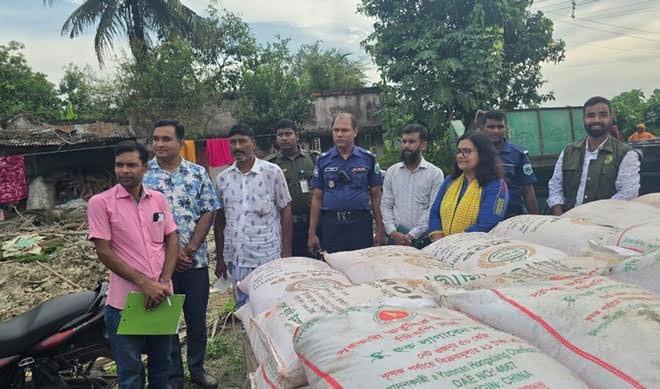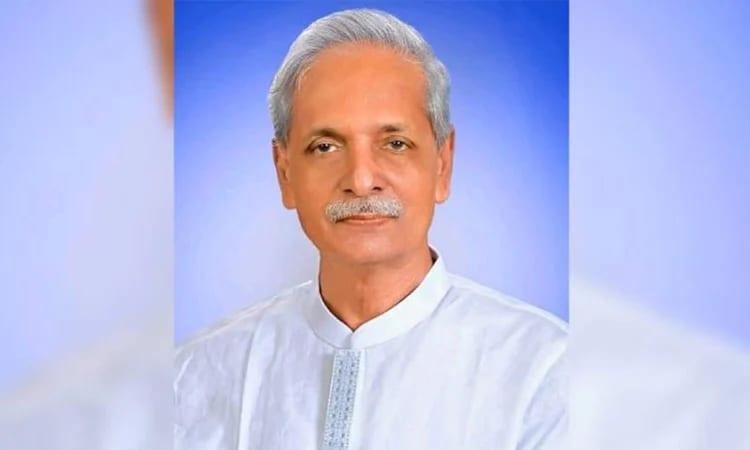
The government has undertaken extensive initiatives to expand the domestic and international markets for jute and diversified jute products, according to Textiles and Jute Minister Khandakar Abdul Muktadir. Speaking in the Jatiya Sangsad, Muktadir detailed the measures aimed at revitalizing the country’s jute industry. The Ministry of Textiles and Jute is working diligently to implement these strategies. Among the key initiatives are mobile court drives to enforce the Mandatory Use of Jute Packaging Act, 2010, and the provision of cash incentives for exporters of jute and jute goods to boost overseas shipments.
Legislative and Policy Frameworks
To ensure the sustainable development of the jute sector, the government has formulated several key legislative and policy frameworks. These include the Jute Act, 2017, the National Jute Policy, 2018, and the Charcoal Policy, 2022. These policies aim to create a conducive environment for the growth and modernization of the jute industry. Additionally, the government is providing assistance to small-scale jute entrepreneurs through the Jute Diversification Promotion Centre PLC (JDPC).
Promotional and Production Initiatives
Efforts to promote jute products include plans to establish 'Jute Product Corners' at Bangladesh missions abroad and international airports. The Ministry of Textiles and Jute, along with the Department of Jute and the JDPC, is organizing jute product fairs across the country to attract local and foreign buyers. Furthermore, the government is implementing the 'Production and Expansion of Improved Technology-based Jute and Jute Seed' project to enhance the production of high-quality jute fiber. Following directives from the Prime Minister, the Department of Jute has also initiated a project to distribute jute-made school bags free of cost to primary school students.
Regarding state-owned jute mills, Muktadir mentioned that initiatives have been taken to reopen the jute mills that were shut down in 2020. Out of 25 mills under the Bangladesh Jute Mills Corporation (BJMC) that were closed, 14 have been leased out for private management, with nine already resuming production. The remaining mills are being leased out in phases.