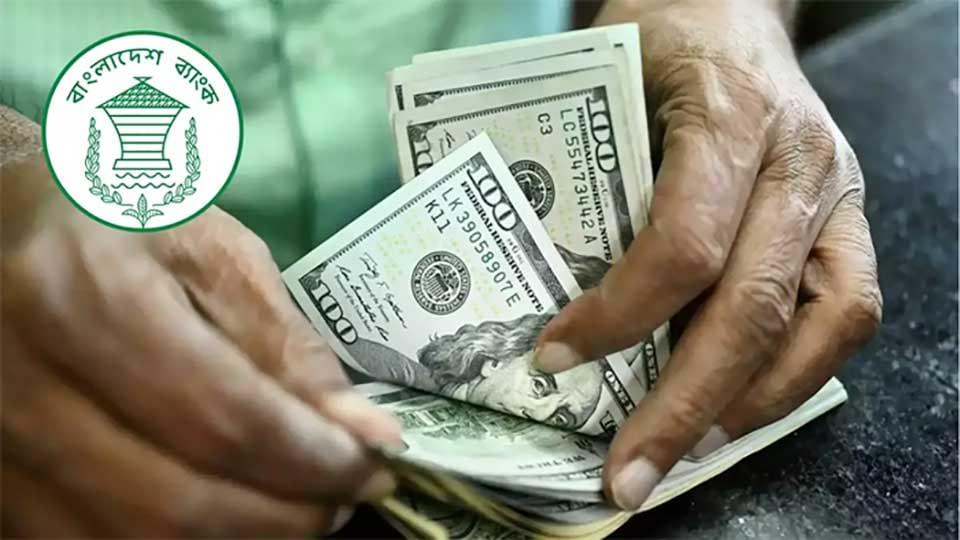
Bangladesh's gross foreign exchange reserves have reached a record high of $36.47 billion, according to the latest data from Bangladesh Bank. This significant increase indicates a robust financial position for the country. The reserves calculated under the IMF's BPM6 methodology stood at $31.77 billion, reflecting a strong economic performance.
The rise in foreign exchange reserves is a positive sign for Bangladesh's economy, providing a buffer against external shocks and supporting the country's import needs. It also enhances the nation's credibility in the international financial market, potentially leading to more favorable terms for borrowing and investment.
Foreign exchange reserves are crucial for a country's economic stability. They are used to back the national currency, stabilize exchange rates, and pay for imports. The recent increase in reserves suggests that Bangladesh's economic policies and external trade are performing well.
The growth in reserves can be attributed to several factors, including increased remittances from Bangladeshis working abroad, higher exports, and prudent fiscal policies. The government's efforts to attract foreign investment and maintain a stable macroeconomic environment have also played a role in this achievement.
Analysts believe that maintaining high foreign exchange reserves is essential for sustaining economic growth and ensuring financial stability. The current level of reserves provides a solid foundation for the country to navigate any future economic challenges.