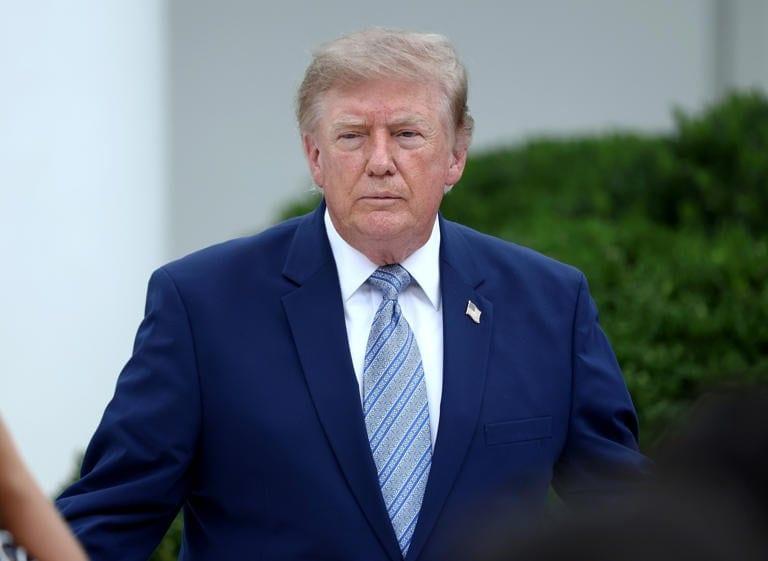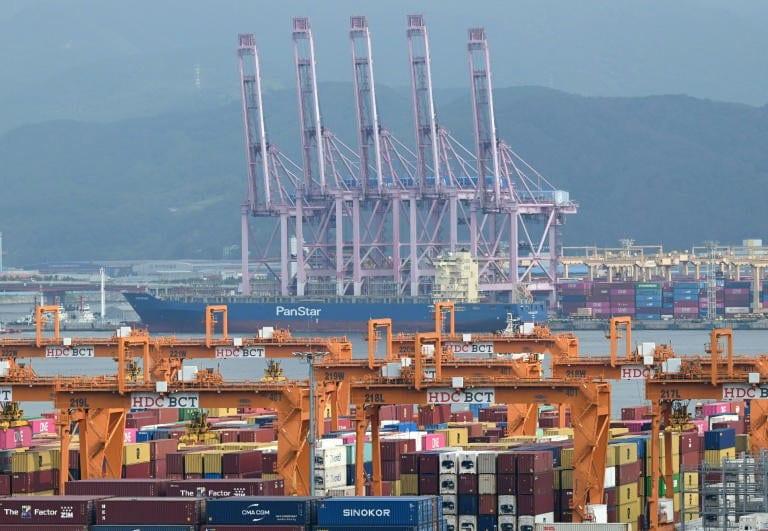
The United States announced new tariffs on 60 trading partners, effective immediately, due to concerns over forced labor. These tariffs, ranging from 10 percent to 12.5 percent, target major economies including China, India, and the European Union. The move is part of President Donald Trump's strategy to rebuild his tariff wall after recent legal setbacks.
Tariff Details and Impact
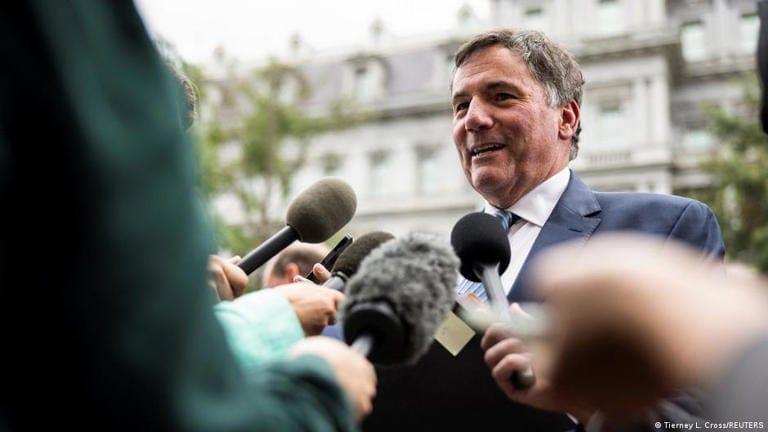
US Trade Representative Jamieson Greer stated that the tariffs are a response to the lack of forced labor import bans in many trading partners. Economies that have implemented such bans or committed to doing so face a lower 10-percent tariff. Countries like Canada, the EU, India, and the UK fall into this category. Meanwhile, China, Japan, South Korea, and others face a higher 12.5-percent tariff.
International Reaction and Exemptions
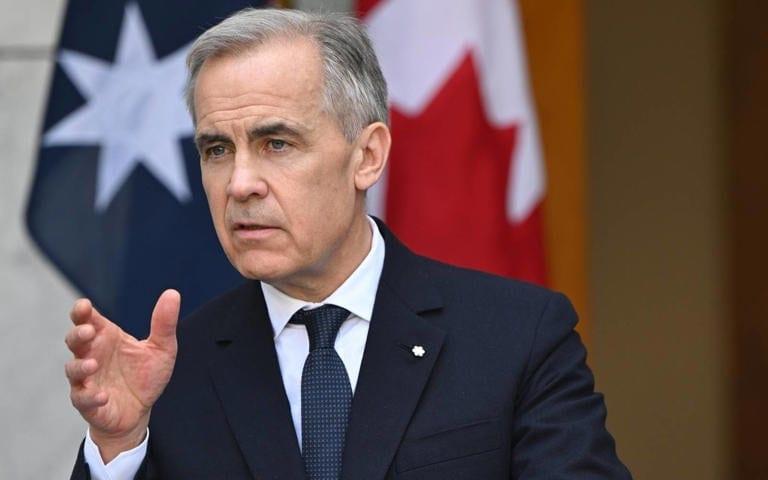
The new tariffs have been met with swift condemnation from affected countries. Japan's government spokesman Minoru Kihara expressed regret, while Australia's trade minister Don Farrell called the tariffs unjustified. Certain goods, including those covered by the US-Mexico-Canada free trade pact, energy products, and fertilizers, are exempt from these tariffs. Additionally, goods already facing sector-specific tariffs like steel and aluminum are not impacted.
Future Implications and Investigations
The Trump administration is separately investigating 16 economies for excess industrial capacity, which could lead to additional duties. Trade lawyer Greta Peisch noted that the new tariffs aim to maintain leverage over trading partners and encourage compliance with existing trade pacts. The move signals a more protectionist approach by the US, potentially impacting global trade dynamics.