The Pulse Today
BREAKING
Sajib Pledges Aid for 50,000 Flood-Affected People in SonargaonMP Azharul Islam Mannan Distributes Relief Funds to Needy Families in SonargaonParliament Proposes Anti-Gambling Bill with Maximum 7-Year Prison PenaltyOpenAI Unveils 'Schedule' Feature to Boost Task Management in AI ChatbotPrime Minister Tareq Rahman Arrives in Dalian, China for Economic ForumEurope Confronts Intense Heatwave; Conditions Predicted to DeteriorateGold Prices Rise Again in Bangladesh Amid Global Market IncreaseSpaceX's Nasdaq Debut Values Company at Over $2 Trillion, Surpassing AmazonStudy Reveals AI Data Centers Contribute to Local Temperature IncreasesNarayanganj BNP Youth Wing Holds Rally to Welcome New Central CommitteeImran Khan Hospitalized Following Supreme Court Order Amid Heightened SecurityUS Charges Woman in IS-Inspired Plot to Bomb New York State CapitolAsian Markets Show Gains as Traders Analyze Impact of US Treasuries' Yield AdjustmentJapan's July Core Inflation Reaches 1.8% Amid Middle East Tensions and Weak YenInter Milan Set to Defend Serie A Title as AC Milan Eyes ResurgenceUS Allocates $57 Million to Support Venezuela's Renowned Music Education ProgramSwiatek Reaches Cincinnati Semi-Finals After Rybakina Retires Due to InjuryWest Virginia Coal Miners Confront Escalating Rates of Black Lung DiseaseUN Conducts Second Straw Poll to Determine Next Secretary-GeneralPanama Canal Announces Shipping Reductions Amid El Nino-Induced DroughtOpposition Leader Dr. Shafiqur Rahman Congratulates Mirza Fakhrul on Bangladesh Presidential WinUS Treasury Officials Applaud Bangladesh Bank's Advances in Macroeconomic StabilityPrime Minister Tarique Rahman Performs Ziarat at Parents' Graves Post-ElectionMinister Zakaria Emphasizes Student Engagement in Co-curricular Activities for Holistic DevelopmentUK Congratulates Mirza Fakhrul Islam Alamgir, Seeks Enhanced Relations with Bangladesh

Kaptai Lake Hydroelectric Plant Enhances Power Output to 179 MW

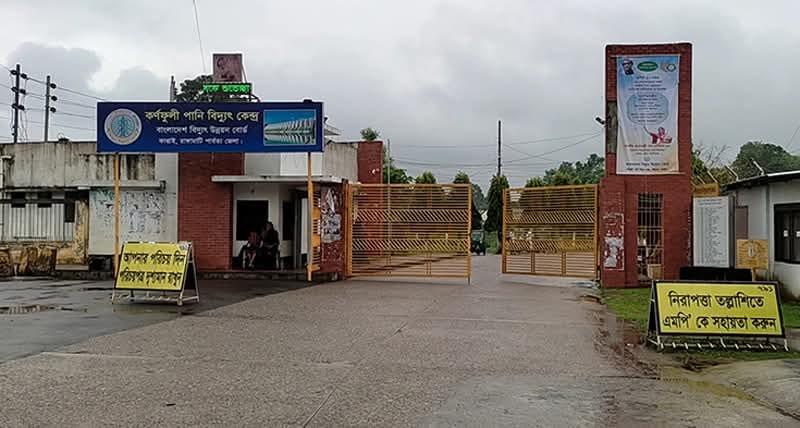
Continuous heavy rainfall and upstream runoff have raised the water level in Kaptai Lake, allowing the Kaptai Karnaphuli Hydroelectric Power Plant to increase power generation to 179 megawatts (MW).

By Staff Correspondent
Share
Kaptai lake hydroelectric plant boosts power generation to 179 MW | Others
BSS

The Kaptai Karnaphuli Hydroelectric Power Plant has increased its power generation to 179 megawatts (MW) due to continuous heavy rainfall and upstream runoff, which have raised the water level in Kaptai Lake. Plant Manager Engineer Mahmud Hasan reported that all five generating units are now in operation, producing a combined 179 MW of electricity. Unit 1 and Unit 2 are generating 42 MW each, Unit 3 is producing 35 MW, while Units 4 and 5 are generating 30 MW each.

Operational Challenges and Improvements

Over the past three months, the plant had been unable to run all five units simultaneously due to low water levels in the lake. The recent rainfall has improved water inflow, enabling the plant to increase its electricity generation. Engineer Mahmud Hasan noted that power output is expected to rise further if rainfall continues and the lake's water level increases.

Historical Context and Capacity

Commissioned in 1960, the Karnaphuli Hydroelectric Power Plant depends entirely on the water level in Kaptai Lake. When all five units operate at full capacity, the plant can generate between 230 MW and 242 MW of electricity. The current increase in generation is a significant improvement from the recent operational limitations.

Significance for Bangladesh

The increase in power generation at the Kaptai Karnaphuli Hydroelectric Power Plant is crucial for Bangladesh, where reliable electricity supply is essential for economic growth and daily life. Hydroelectric power is a renewable energy source that helps reduce dependence on fossil fuels and lowers greenhouse gas emissions. The plant's enhanced output will contribute to meeting the country's growing energy demands.

Future Prospects

If the current trend of heavy rainfall continues, the plant's power output is expected to increase further. This would provide a more stable and reliable source of electricity for the region. Additionally, the plant's ability to operate at higher capacities underscores the importance of maintaining and improving infrastructure to handle variable water levels and ensure consistent energy production.

Source: BSS

FAQ

Why did the Kaptai Karnaphuli Hydroelectric Power Plant increase its power generation?
The plant increased its power generation due to continuous heavy rainfall and upstream runoff, which raised the water level in Kaptai Lake.
How much power is the plant currently generating?
The plant is currently generating 179 megawatts (MW) of electricity.
What is the maximum capacity of the Kaptai Karnaphuli Hydroelectric Power Plant?
The plant can generate between 230 MW and 242 MW of electricity when all five units operate at full capacity.
Why is the increase in power generation significant for Bangladesh?
The increase in power generation is crucial for meeting Bangladesh's growing energy demands and reducing dependence on fossil fuels.

Topics

Comments

More in Bangladesh

See all →

Latest stories