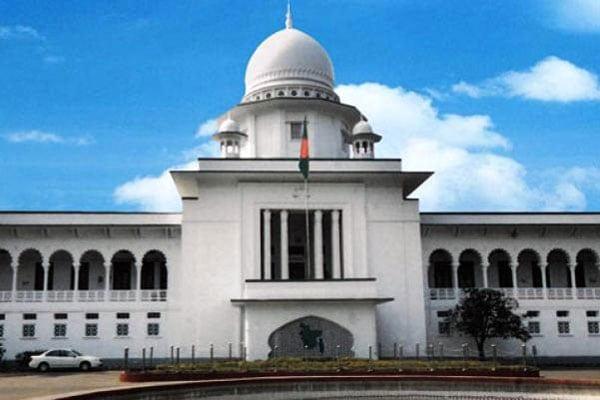
The High Court has summarily rejected a writ petition challenging the legality of the International Crimes Tribunal (ICT) Act. The High Court division bench of Justice Khizir Ahmed Choudhury and Justice Md Ziaul Haque issued the order stating, 'Rejected summarily.' Supreme Court lawyer Mohammad Mohsen Rashid filed the writ petition on June 7 and argued the case himself before the court. Attorney General Md Ruhul Quddus Kazol represented the state during the hearing.
Background of the ICT Act
The International Crimes Tribunal Act was enacted to try individuals for war crimes committed during Bangladesh's 1971 Liberation War. The tribunal has been a subject of significant debate and scrutiny, with critics arguing about its fairness and effectiveness.
Significance of the High Court's Decision
This decision by the High Court is significant as it upholds the legal framework under which the ICT operates. It means that the tribunal can continue its work without the immediate threat of legal challenges to its foundational act.
Why This Matters for Bangladesh
The upholding of the ICT Act is crucial for Bangladesh as it pertains to the nation's historical accountability and justice for war crimes. The tribunal plays a vital role in addressing the grievances of the 1971 war and ensuring that perpetrators are brought to justice.