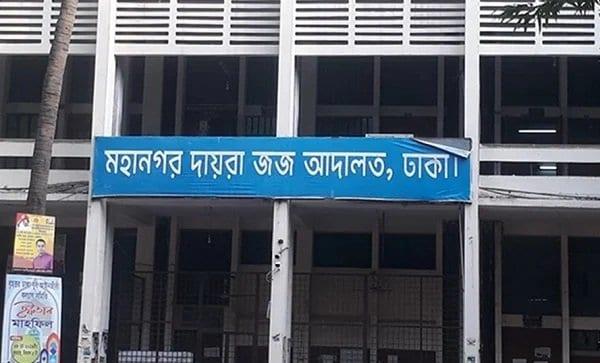
A Dhaka court has framed charges against 21 individuals accused in the murder of scrap metal trader Lal Chand Mohammad Sohag. Judge Mosaddek Minhaj of the Dhaka 1st Additional Metropolitan Sessions Judge Court passed the order and set July 19 for the commencement of witness testimony. Sohag, 39, was brutally murdered near Sir Salimullah Medical College Mitford Hospital in Old Dhaka on July 9, 2025. His sister, Monjuara Begum, filed the case the following day against 19 people. Police submitted a charge sheet on December 29, 2025, accusing 21 people in connection with the murder. Of them, 10 have been arrested and remain in jail, while three others were arrested but later released on bail. The remaining eight accused are still at large.
Background of the Case
Lal Chand Mohammad Sohag was a well-known scrap metal trader in the Mitford area of Old Dhaka. His brutal murder shocked the community and drew significant attention from local authorities. The case was filed by his sister, Monjuara Begum, who accused 19 individuals of being involved in the crime. The police investigation led to the identification of additional suspects, bringing the total number of accused to 21.
Legal Proceedings
The Dhaka 1st Additional Metropolitan Sessions Judge Court has now framed charges against all 21 accused. The court has scheduled July 19 for the commencement of witness testimony, marking a significant step forward in the legal process. The judge's order indicates that the court is moving towards a trial, where the accused will have the opportunity to present their defense.
Current Status of the Accused
Of the 21 accused, 10 are currently in jail, while three others have been released on bail. The remaining eight accused are still at large, and efforts are ongoing to apprehend them. The police and judicial authorities are working diligently to ensure that all those involved in the crime are brought to justice.
Significance and Implications
The framing of charges in the Sohag murder case is a crucial development. It signifies the judicial system's commitment to addressing violent crimes and ensuring that perpetrators are held accountable. The case also highlights the challenges faced by law enforcement in apprehending all accused individuals and the importance of community cooperation in such investigations.
What Happens Next
With charges framed and witness testimony set to begin, the next steps in the legal process will involve presenting evidence, examining witnesses, and allowing the accused to present their defense. The outcome of the trial will have significant implications for the families of the victim and the accused, as well as for the community at large.