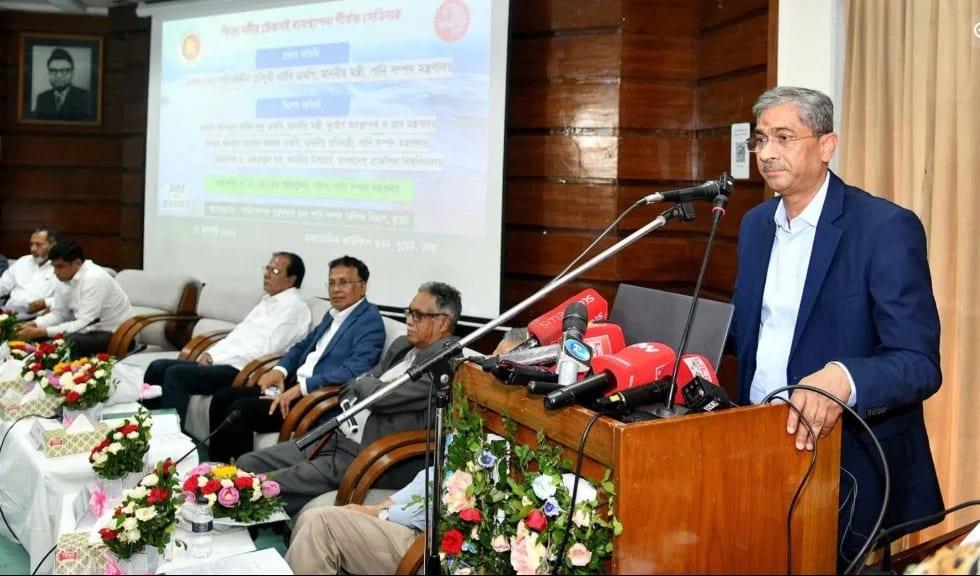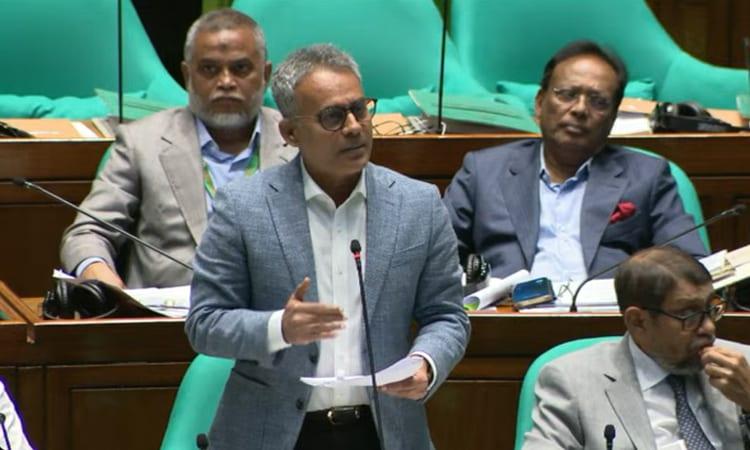
The government has set a target of converting at least 30 percent of the country’s road vehicles into electric vehicles (EVs) by 2030, as part of its efforts to build a sustainable and environment-friendly transport system. Road Transport and Bridges Minister Shaikh Rabiul Alam announced this goal while responding to a call attention notice in the Jatiya Sangsad.
Policy Measures for Cleaner Transport
The minister highlighted that the government has undertaken several policy measures to transform public transport into cleaner-energy vehicles, reduce carbon emissions, and promote sustainable mobility. This aligns with Bangladesh’s Nationally Determined Contribution (NDC), which pledges to reduce carbon dioxide emissions from the transport sector by 3.4 million tonnes by 2030.
Regulatory Framework for EVs
Shaikh Rabiul Alam mentioned that the Road Transport and Highways Division has already formulated policies governing the registration and operation of electric vehicles. These policies aim to streamline the adoption of EVs and ensure their safe and efficient use on the roads.
Incentives for Electric Buses
To encourage the use of electric buses, the government has approved duty-free import of brand-new electric buses for educational institutions. For other purposes, imports of such buses will be subject to a concessional customs duty of only 15 percent. This incentive is expected to significantly reduce fuel consumption and environmental pollution.
Addressing Toll and Railway Concerns
During the session, the minister also addressed concerns about toll exemptions and additional railway station stops. He clarified that toll collection is a revenue-related matter under the jurisdiction of the Finance Division, and the Ministry of Road Transport and Bridges cannot unilaterally withdraw tolls on any bridge. However, he suggested that toll concessions on smaller bridges could be considered through policy decisions in consultation with the Finance Division.
Regarding railway station stops, the minister explained that there is a specific policy governing stoppages of intercity trains. He emphasized that if intercity trains stop at every location, they will lose their distinctive character and fail to serve their purpose of providing fast and efficient transportation.