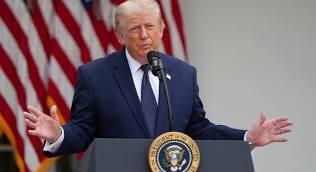
President Donald Trump announced on Monday that the United States is 'taking over' the Strait of Hormuz, a vital waterway for global oil shipments. This declaration comes as ongoing conflicts over the strategic strait threaten to undermine efforts to achieve lasting peace in the Middle East.
Strategic Importance of the Strait of Hormuz
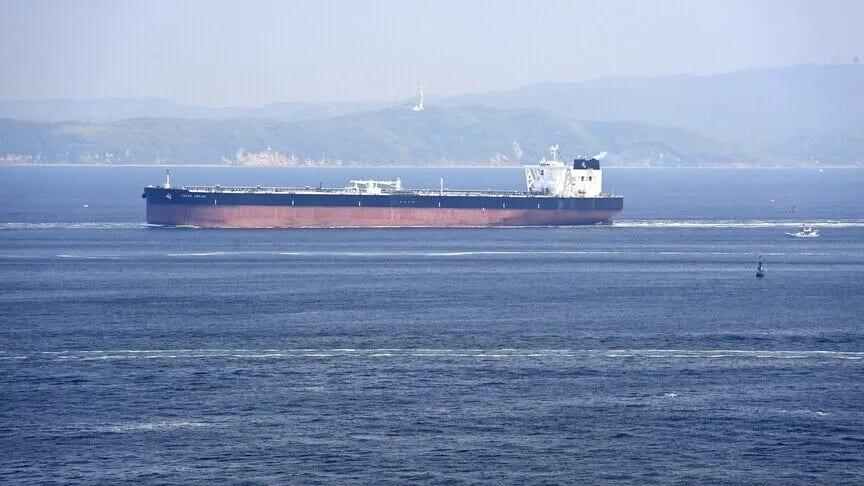
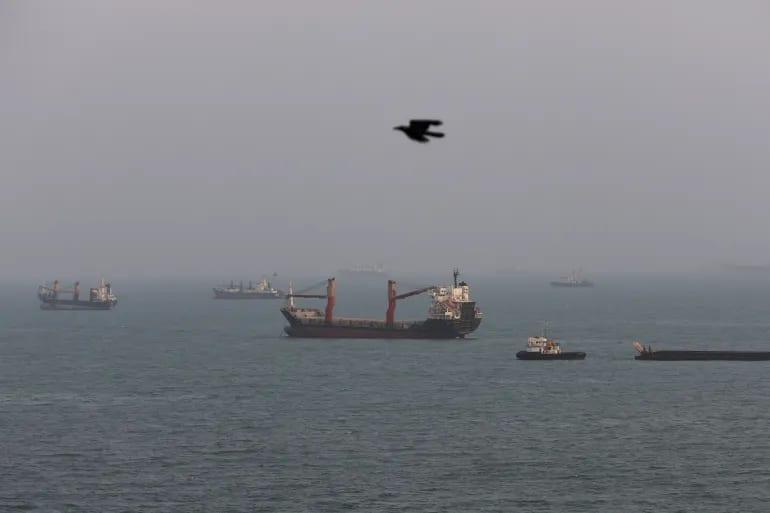
The Strait of Hormuz is one of the world's most crucial maritime passages, connecting the Persian Gulf to the Gulf of Oman and the open waters of the Arabian Sea. Approximately 20% of the world's petroleum passes through this narrow channel, making it a focal point for international trade and security. Control over the strait has long been a point of contention among regional and global powers.
Trump's Announcement and Its Implications
In an interview with 'Fox and Friends,' Trump stated, 'We're taking over the Strait. They have nothing. They've got nothing.' His comments suggest a significant shift in U.S. policy towards the region, potentially escalating tensions with Iran and other nations that rely on the strait for their economic stability.
Background of the Conflict
The announcement follows hours of negotiations with Iranian officials, during which Trump expressed frustration with their tactics. The U.S. and Iran have a history of adversarial relations, particularly over issues related to nuclear programs, regional influence, and maritime security.
Global and Regional Reactions
The international community is likely to react strongly to Trump's declaration. Nations dependent on oil shipments through the strait, including major economies in Europe and Asia, may seek to diplomatically challenge the U.S. move. Regional powers, particularly Iran, may view this as an act of aggression, potentially leading to further military posturing or conflict.
Why This Matters for Bangladesh
For Bangladesh, the situation in the Strait of Hormuz has significant implications. The country relies heavily on imported oil for its energy needs, and any disruption in the flow of oil through the strait could lead to increased prices and supply shortages. Additionally, Bangladesh's growing ties with both the U.S. and Iran mean it will need to navigate this complex geopolitical landscape carefully to protect its national interests.