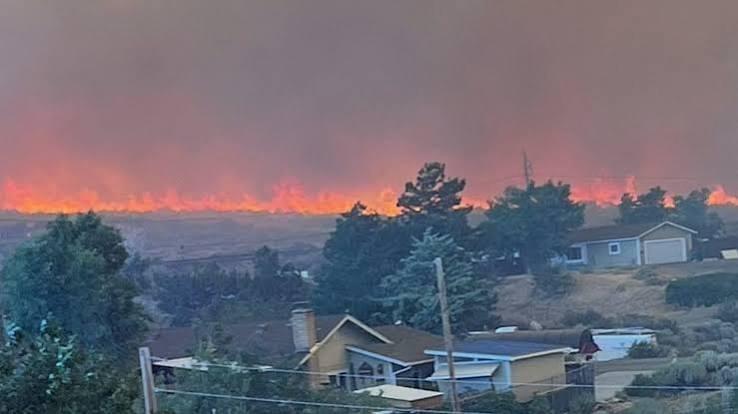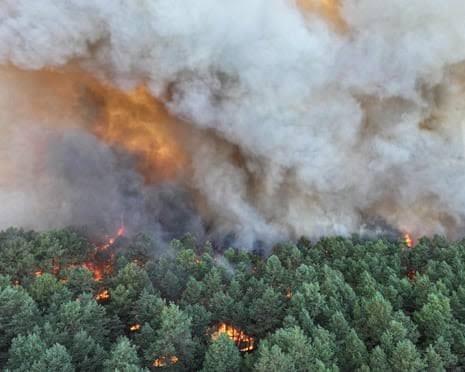
Firefighting planes are battling a large forest fire in the Fontainebleau forest, approximately 60 kilometers southeast of Paris. The blaze, which erupted on Sunday, has spread across 800 hectares (2,000 acres), forcing evacuations and disrupting rail and road traffic. Authorities are investigating the possibility that the fire was intentionally started, given the multiple ignition points within a small area.
Fire Details and Impact
The fire in the Fontainebleau forest, a historic royal hunting preserve, has rapidly expanded. Didier Buguinet, a deputy mayor in Le Vaudoue, expressed shock at the unprecedented scale of the fire in the region. Interior Minister Laurent Nunez highlighted the suspicious nature of the fire's ignition, with about 10 fire points within a 1,000-meter perimeter.
Response and Resources
Authorities have deployed firefighting planes, including two Canadair planes, to help contain the fire. These aircraft are scooping water from the Seine river to douse the flames. Local efforts include farmers using tractors to transport water and firefighters navigating narrow forest paths to reach the blaze.
Heatwave and Climate Context
France is experiencing its third heatwave in less than three months, exacerbating the fire risk. The country has seen over 2,000 excess deaths during the June heatwave and 300 during the May heatwave. Julien Marion, director general of civil security, noted that wildfires have scorched 25,000 hectares of land this year, nearly double the area affected during the same period last year.
Public Reaction and Future Concerns
Residents like Cindy Fuyard, a nurse who fled her home in Le Vaudoue, are concerned about the increasing proximity of forest fires to urban areas due to global warming. Sophie Guiot shared a photo of a water-dumping plane flying over her home, highlighting the community's direct experience with the crisis.
Why This Matters
The Fontainebleau forest fire underscores the growing threat of extreme weather events linked to climate change. For Bangladesh, a country highly vulnerable to climate impacts, this incident serves as a stark reminder of the need for robust disaster preparedness and climate adaptation strategies. The increasing frequency and severity of such events globally highlight the urgent need for international cooperation in addressing climate change.