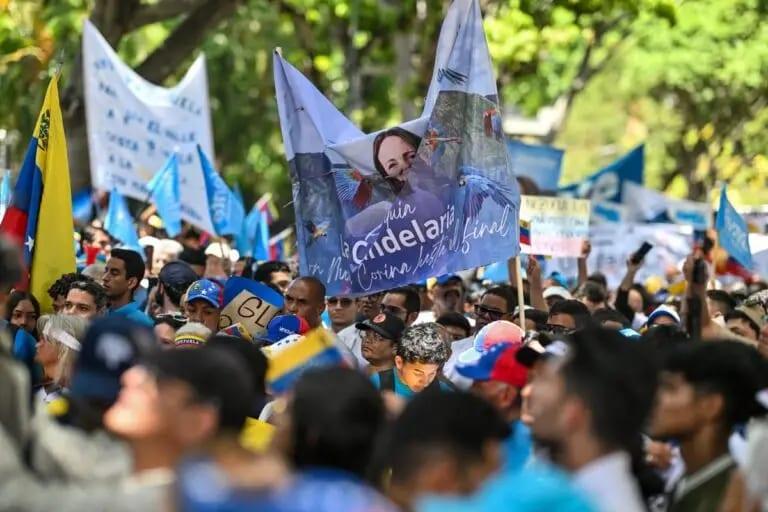
In Caracas, various protests have erupted, reflecting the nation's deep political divides ahead of the upcoming Venezuelan political transition talks set to begin this week. The interim government, backed by the United States, and a faction of former opposition lawmakers have announced a work plan aimed at strengthening democracy. However, the atmosphere is charged with skepticism and demands for action.
Demands for Elections and Skepticism
Supporters of Nobel Peace Prize laureate Maria Corina Machado are calling for immediate elections, viewing them as essential for a genuine political transition. Machado's party spokesperson, Henry Alviarez, emphasized that the transition can only begin once an election date is set. Meanwhile, other protesters expressed skepticism about the talks, chaired by parliamentary chief Jorge Rodriguez and opposition figure Dinorah Figuera, questioning the effectiveness of dialogue.
Influence and Divisions
The talks are taking place under the shadow of significant international influence, particularly from the United States, which has been closely monitoring the interim government led by Delcy Rodriguez since the abduction of former president Nicolas Maduro in January. Exiled opposition leader Machado has ruled out her attendance at the talks, further complicating the process. Supporters of the late leftist leader Hugo Chavez have denounced what they see as heavy American influence behind the government's participation in the talks.
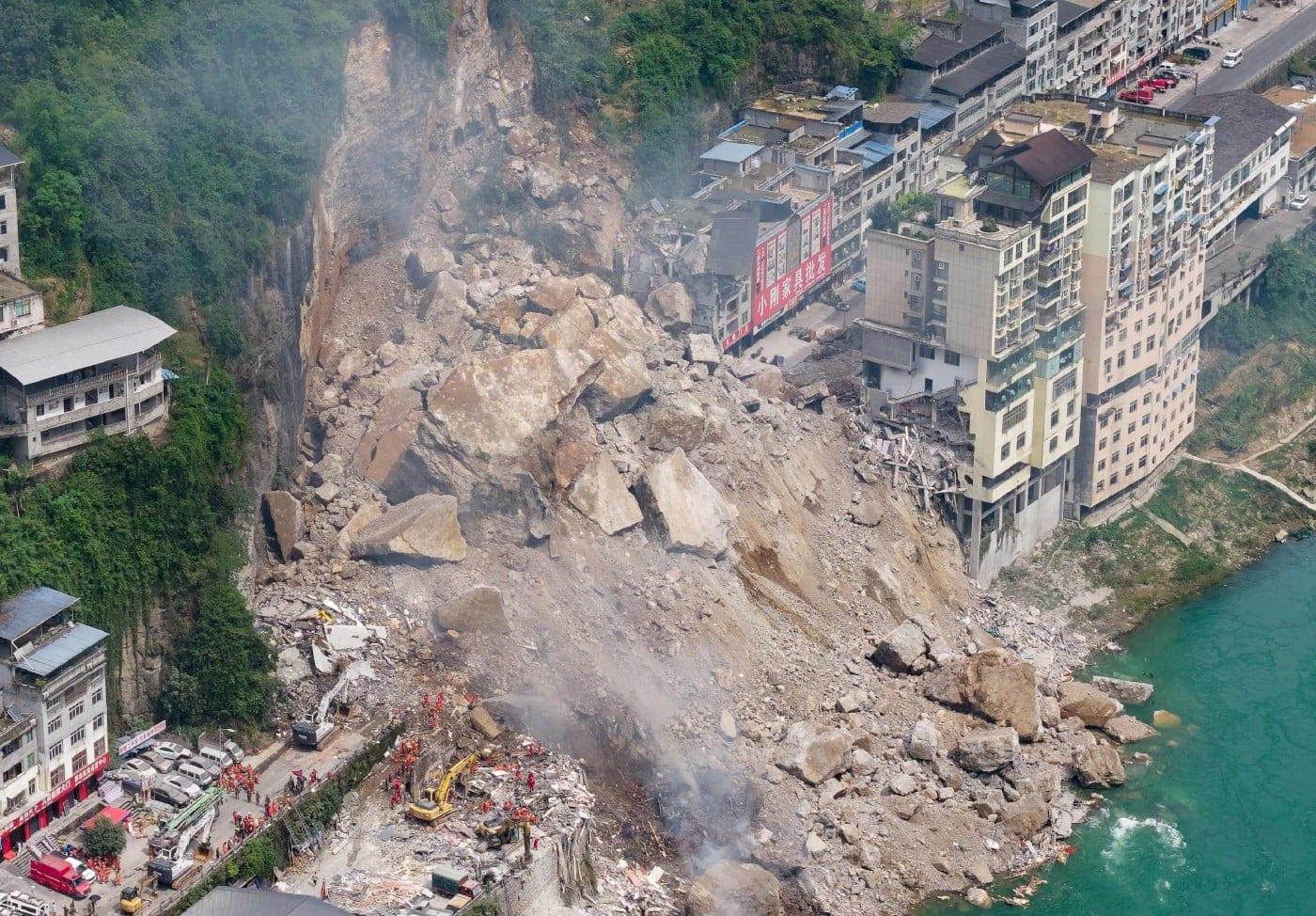
Protesters also highlighted the ongoing challenges faced by Venezuela, including the aftermath of deadly earthquakes in June that killed over 5,000 people. While some criticize the government's response, others, like retiree Carmen Montes, argue that the government is doing its best to rebuild the affected areas. The deep-seated divisions and historical grievances continue to fuel the protests and the broader political uncertainty.