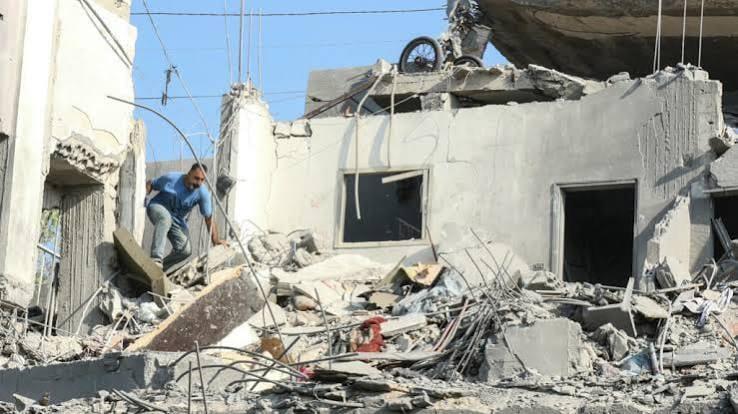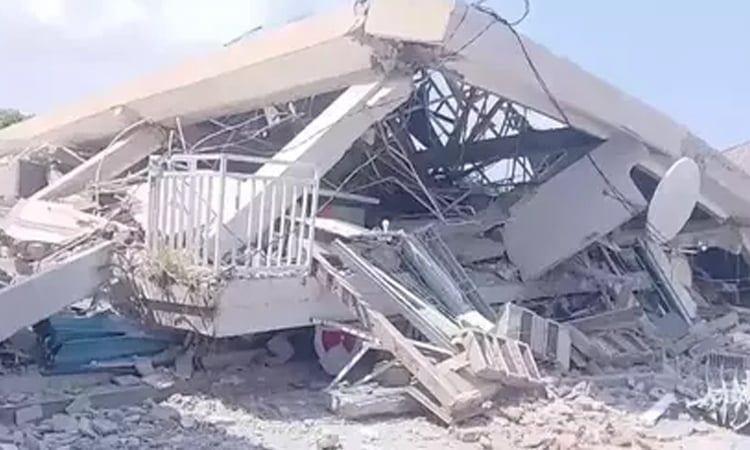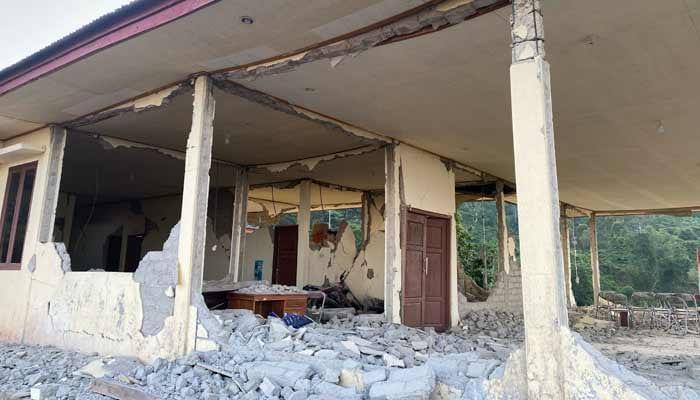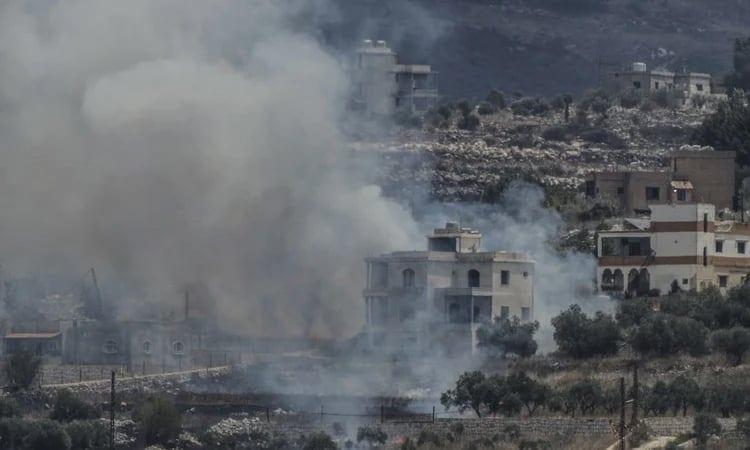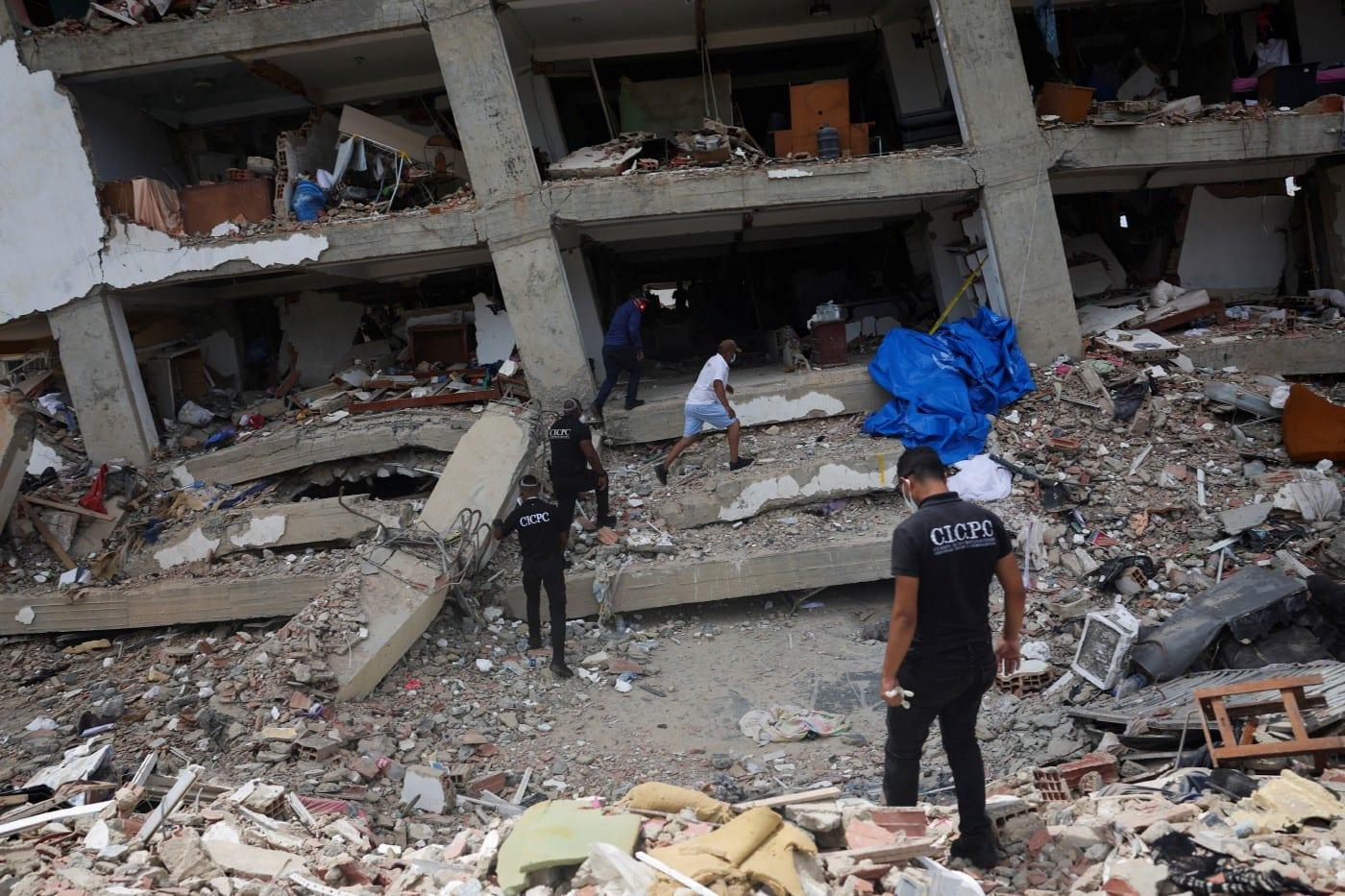
The death toll from Venezuela's twin earthquakes has risen to at least 3,342, with thousands still missing and thousands more injured. The June 24 double shocks, one of Latin America's worst quake disasters, toppled scores of buildings in the La Guaira coastal area north of Caracas. As international rescue teams end their search for survivors, attention has turned to mourning those lost and burying the remains that families have recovered from the ruins.
Mourning and Burials
In La Esperanza cemetery in La Guaira, gravediggers have buried more than 150 unidentified bodies since the earthquakes. A line of simple white crosses with small bouquets marks individual graves, each with the same date of death: June 24, 2026. Local resident Eli Zavala, who was helping with the burials, said, 'We are first and foremost overcome with grief.'
Extent of the Disaster
According to updated official figures, at least 3,342 people died and another 16,700 were injured. Nearly 200 buildings collapsed, most in La Guaira, leaving more than 17,000 people homeless. The UN estimates that as many as 50,000 people may still be unaccounted for after the shocks.
Government Response and Criticism
The government has not provided a figure for those still missing. Interim President Delcy Rodriguez defended the government's response, stating that thousands of public officials and rescue teams were dispatched. However, many Venezuelans criticized the government's initial response, claiming they were left to dig for families in the ruins until international teams arrived.
Economic and Social Impact
Even before the quakes, Venezuela was struggling with an economic crisis and political upheaval that left infrastructure and health services depleted. The UN estimates the quakes caused $6.7 billion in damage, equivalent to six percent of Venezuela's GDP. The damaged international airport serving Caracas remains closed to commercial flights.
Community and Religious Response
Across Caracas and La Guaira, many focused on Sunday services in churches to remember those lost and still missing. On the campus of Venezuela Central University in Caracas, dozens gathered around a large Venezuela flag surrounded by candles for a vigil. Father Rafael Troconis noted the deep sadness and despair among those affected.