In a significant escalation of tensions in the Middle East, the United States carried out airstrikes against Iran, targeting units believed to be responsible for attacks that killed American troops in Jordan. The strikes come after a week of intensifying hostilities, which have reignited the conflict in the region. Iran swiftly responded by attacking two US bases in Kuwait, hitting critical infrastructure and military assets.
The US Central Command (CENTCOM) confirmed that two service members were killed in Jordan while defending against Iranian ballistic missile and drone attacks, bringing the total number of US military fatalities to 16 since the conflict began. Another service member is still missing in action. The US military also reported that an under-construction nuclear power plant in Iran was targeted, escalating the conflict further.
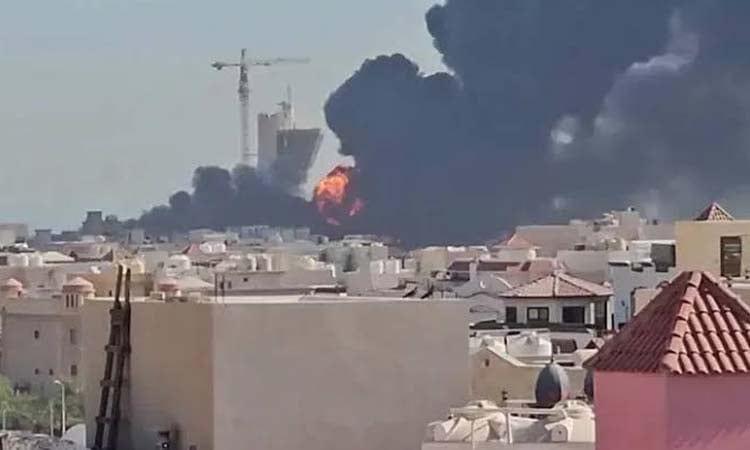
Iran's response included attacks on civilian sites and vital infrastructure in Kuwait and Bahrain, leading to accusations of targeting non-military assets. The renewed violence was sparked by Iranian attacks on ships in the strategic Strait of Hormuz, a critical waterway for global oil supply. Iran closed the strait after the war broke out, using control over the route as leverage in negotiations with Washington.
The preliminary deal aimed at ending the war has collapsed, with both sides fighting to break the deadlock over the Strait of Hormuz. Iranian leaders, including Supreme Leader Mojtaba Khamenei, have vowed to teach the Americans an "unforgettable lesson" if the strikes continue. Gulf countries have accused Tehran of targeting civilian sites, causing residents to worry about the prolonged hostilities.
As the conflict escalates, hope for a political settlement diminishes, with mediators struggling to bring both sides back to the negotiating table. The situation remains volatile, with both the US and Iran prepared for further military confrontations.