A memorandum of understanding between the United States and Iran aimed at halting the conflict in the Middle East could be signed as early as Sunday in Geneva, according to a Western official who spoke to Reuters on Friday. The official noted that the language of the agreement is still being finalized. Iran remains steadfast in its demand to include the ongoing war in Lebanon within the scope of the agreement.
The goal is to finalize the agreement's language by Saturday. US Vice President JD Vance and Iranian Parliament Speaker Mohammad Bagher Ghalibaf are expected to sign the agreement on behalf of their respective countries.
US President Donald Trump announced on Thursday that he is canceling new attacks on Iran as the terms of the agreement are being finalized. He stated, 'We have reached a major solution to the war with Iran.' Iranian officials believe that Tehran is securing most of its demands under the agreement's terms.
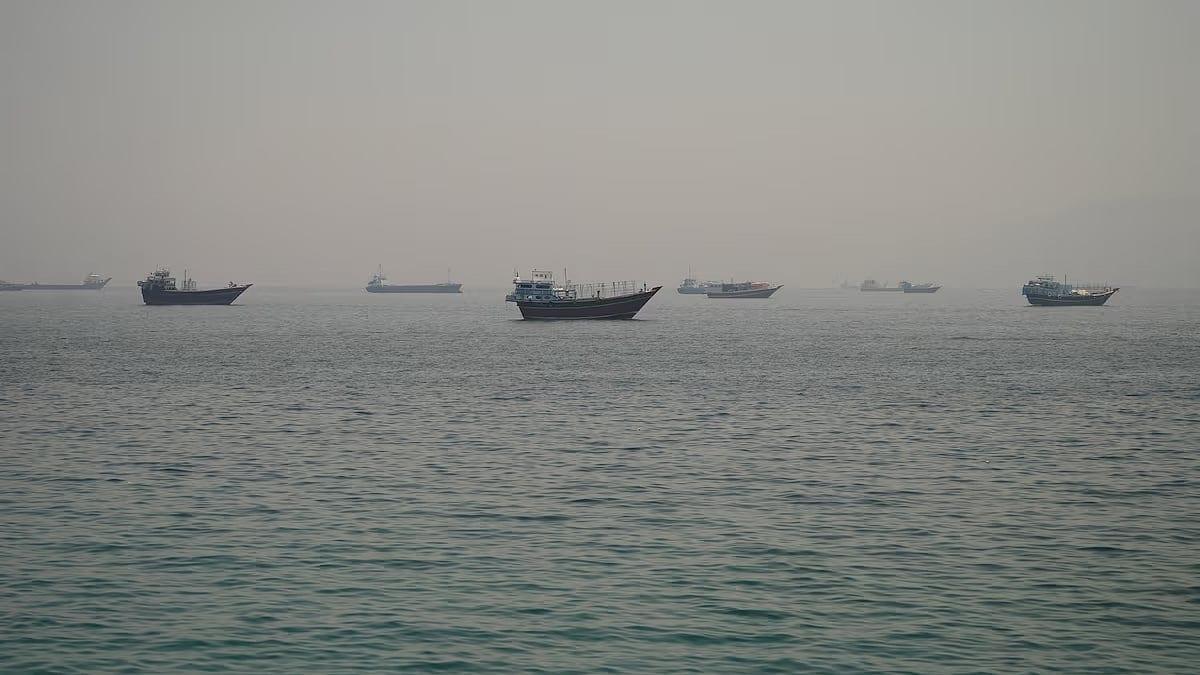
Once the agreement is signed, the crucial Hormuz Strait, vital for global energy, will be reopened. This appears to be Trump's sole achievement from the potential agreement's terms so far.
A senior Iranian official told Reuters that the draft agreement includes the lifting of sanctions on Iran's oil, the release of billions of dollars in frozen assets, and a cessation of attacks on all fronts, including Lebanon. The preliminary agreement will not address nuclear issues, which will be reserved for future discussions.
Washington seeks to ensure that Iran never develops nuclear weapons, a claim Tehran consistently denies. Iran's primary demands include the lifting of sanctions, the release of frozen assets, and an end to Israeli attacks in Lebanon. In exchange, Tehran has not specified what it will offer Washington. The US has not provided an immediate response to these demands.
Iran's Mehr News Agency reported that the US has agreed to additional terms, such as withdrawing US troops from around Iran and presenting a plan to rebuild Iran's devastated economy. According to Mehr, the US and its allies must submit a plan worth at least $30 billion for Iran's reconstruction.