Sri Lanka has launched an investigation into its deadliest prison riot in years, as the death toll from clashes between rival drug gangs inside Negombo prison rose to 27. The violence, which erupted on Monday, also left over 100 people wounded.
Riot Details and Response
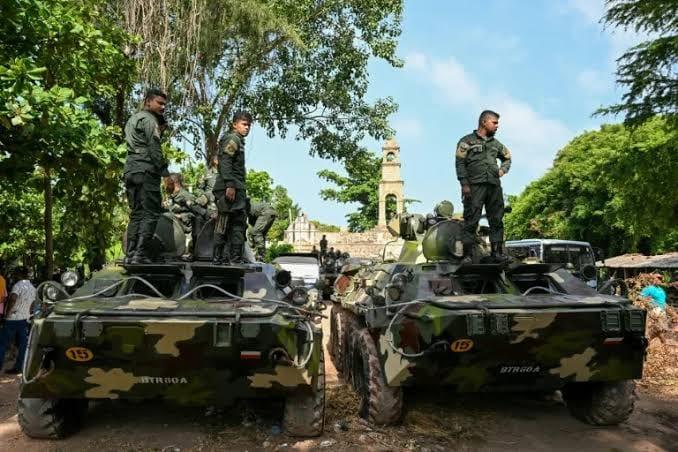
Armed police and commandos were deployed to guard the perimeter of Negombo prison but did not enter the facility. Justice Minister Harshana Nanayakkara announced a criminal investigation alongside a government-appointed commission. A preliminary investigation revealed that rival gangs clashed, overpowered guards, seized their weapons, and opened fire. Inmates also destroyed a CCTV camera during the chaos.
Casualties and Medical Response
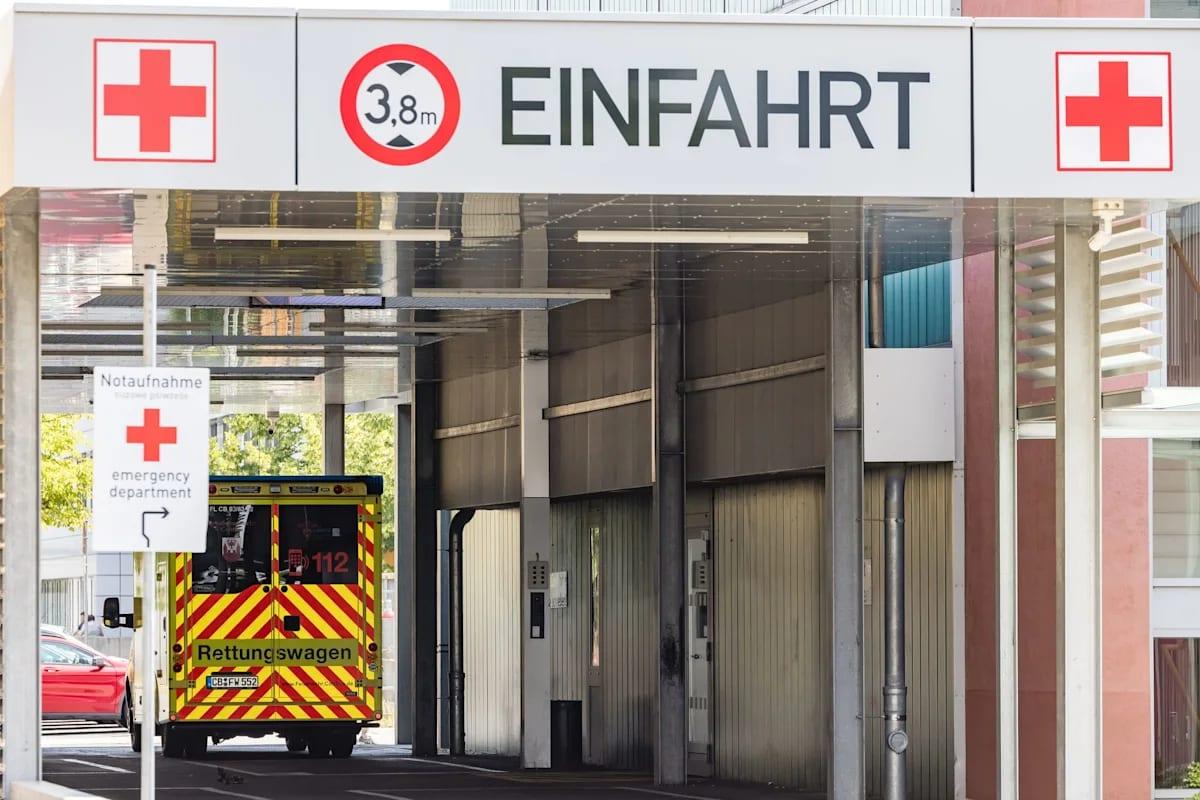
Doctors reported that 97 victims, including 23 prison officers, are being treated at Negombo hospital for gunshot wounds, cuts, and severe bruises. Another 19 inmates are receiving treatment at a hospital in Colombo. Seven guards were killed while attempting to quell the riot.
Relocation of Inmates
In the aftermath of the riot, prison authorities transferred some inmates to other facilities. Foreign nationals held at Negombo were also relocated as a precaution, though they were not involved in the violence.
Overcrowding and Previous Incidents
The incident has renewed scrutiny over Sri Lanka's overcrowded prison system, which operates at roughly four times its intended capacity. A similar riot in December 2020 at another prison killed 11 inmates and wounded 117, prompting the government to release hundreds of inmates during the Covid-19 pandemic.
Significance and Implications
This riot underscores the urgent need for reforms in Sri Lanka's prison system to prevent future violence. The investigation will likely focus on the causes of the riot, the response of prison authorities, and measures to ensure the safety of inmates and staff. The findings could lead to policy changes and improved conditions within the prisons.