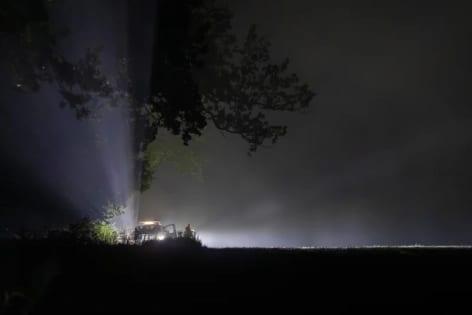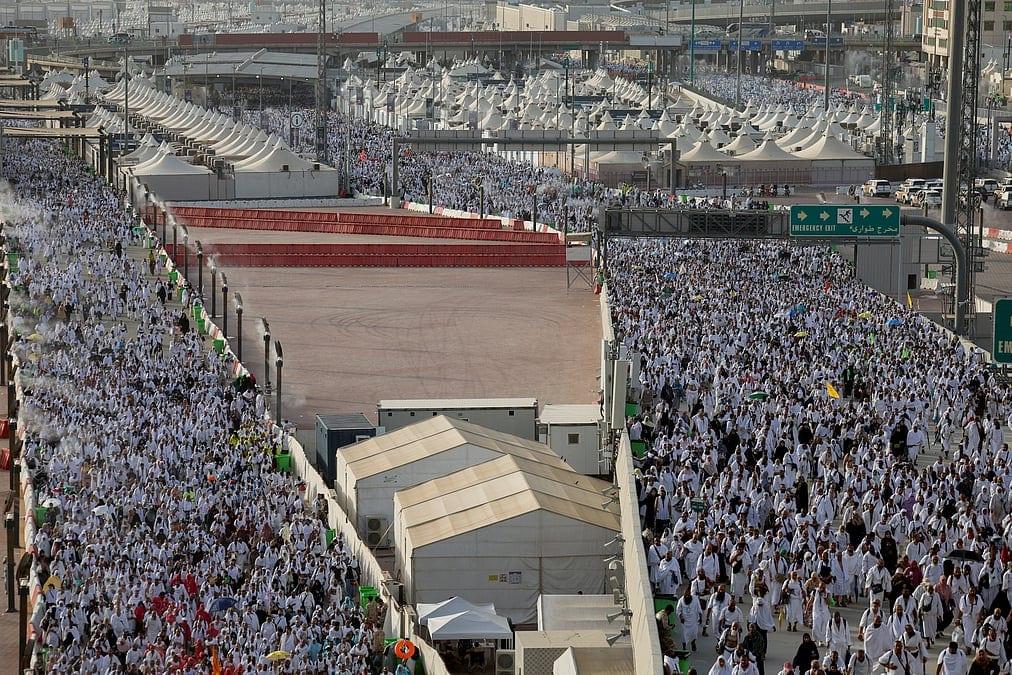
The night in Muzdalifa during Hajj is unforgettable, marked by a profound silence among the vast crowd of pilgrims. After a day of prayers and devotion in Arafat, pilgrims move to Muzdalifa, a vast open area near Mina. Here, they spend the night under the open sky, with the ground as their bed and the sky as their cover. Despite the large gathering, there is an unusual quietness, with pilgrims engaged in prayer, recitation of the Quran, or resting. The sense of unity and equality among pilgrims from diverse backgrounds is palpable, reinforcing the message of Hajj that all are equal before God.
One notable aspect is the seamless provision of food and water, ensuring no one goes hungry or thirsty. The collection of small stones for the symbolic stoning of Satan in Mina the next day is another significant activity. The deep sleep under the open sky brings an unparalleled sense of peace, even on the rocky ground. The following day, the 10th of Dhul Hijjah, is filled with the busy activities of Hajj, including the stoning of the Jamrah and the sacrifice of animals, marking the end of the pilgrimage.
The experience of walking long distances, often more than 14 kilometers, highlights the physical and spiritual challenges of Hajj. The determination and faith of elderly and physically challenged pilgrims inspire others, demonstrating that belief and willpower can overcome physical limitations. The completion of Hajj brings a sense of fulfillment but also a void, as the sacred days come to an end.