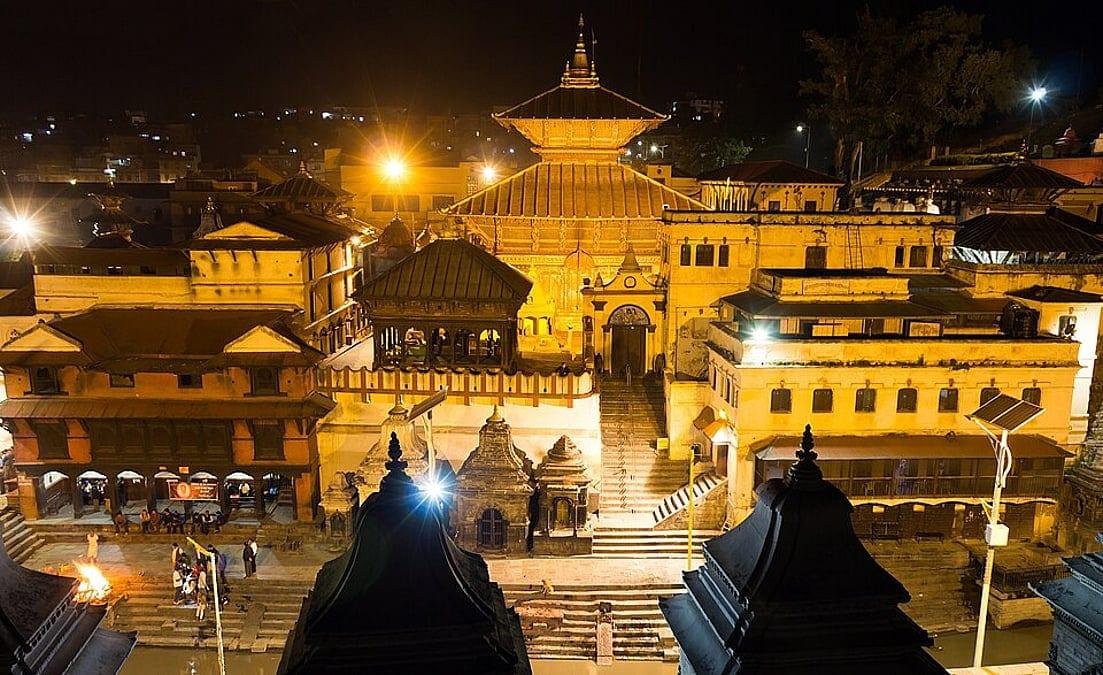
Shivratri, a major festival in Bengali society, is dedicated to Lord Shiva, one of the most popular deities. Celebrated on the 13th and 14th night of the waning moon in the month of Falgun, it is considered the holiest time for worship. Two legends are associated with this festival: Lord Shiva first appeared in the form of a linga, and the marriage of Shiva and Parvati. Devotees believe that observing this festival can cleanse sins and lead to salvation.
The combined form of Shiva and Shakti, represented by Gauripatta and Shivalingam, has been worshipped since the Harappan civilization. Pouring water or milk on these symbols is a social practice rooted in ancient sexual symbolism. Unmarried girls pour water or milk on the Shivalingam, praying for a husband like Shiva. Various Puranas, including Shiva Purana, Padma Purana, Skanda Purana, Matsya Purana, and Vayu Purana, narrate these stories.
A popular legend involves a hunter named Lubdhak, who accidentally poured water on a Shiva-shaped stone, gaining immense piety. Upon his death, Shiva's followers fought Yama's messengers to take him to heaven, making Shiva the hunter's deity. Many believe that on this holy night, Mahadev Shiva revealed the cosmic principles of creation, preservation, and destruction through his Tandava dance. Thus, Shivratri is not just a religious observance but a profound sociological and philosophical experience.
In ancient times, deities were imagined within trees, stones, and animals. Shiva is considered very close to the Bengali society in Sanatan Dharma. He is depicted in various roles, from a farmer to a wanderer in cremation grounds, and a family man in the Himalayas. Shiva's simple desires and contentment make him an ideal husband, reflected in the proverb 'Shiber moto swami' (a husband like Shiva). This ancient tradition remains popular in modern times.
Shiva is not only a symbol of penance but also of restraint and detachment. His iconography, with a serpent around his neck, Ganga in his matted hair, and ash on his body, represents a detached sage free from worldly attachments. Devotees fast and perform vigils on Shivratri, offering water, milk, and Bel leaves to the Shivalingam, chanting 'Om Namah Shivaya'. In many places, devotees stay awake at night, singing hymns and praising Shiva.
Philosophers believe that this external vigil dispels inner ignorance, leading to self-realization. Scriptures state that observing Shivratri purifies the mind, removes sins, and creates a peaceful environment. Another name for Shiva is 'Bholanath', emphasizing the festival's focus on self-restraint, tolerance, and inner vision.
In rural Bengal, stone pieces under ancient banyan or peepal trees are worshipped as Shiva. In urban areas, fairs are held around Shiva temples, with sadhus and saints participating. The stories of Shiva's twelve Jyotirlingas are discussed. People of all ages, religions, and backgrounds gather, turning the fair into a grand meeting place and fostering social values.