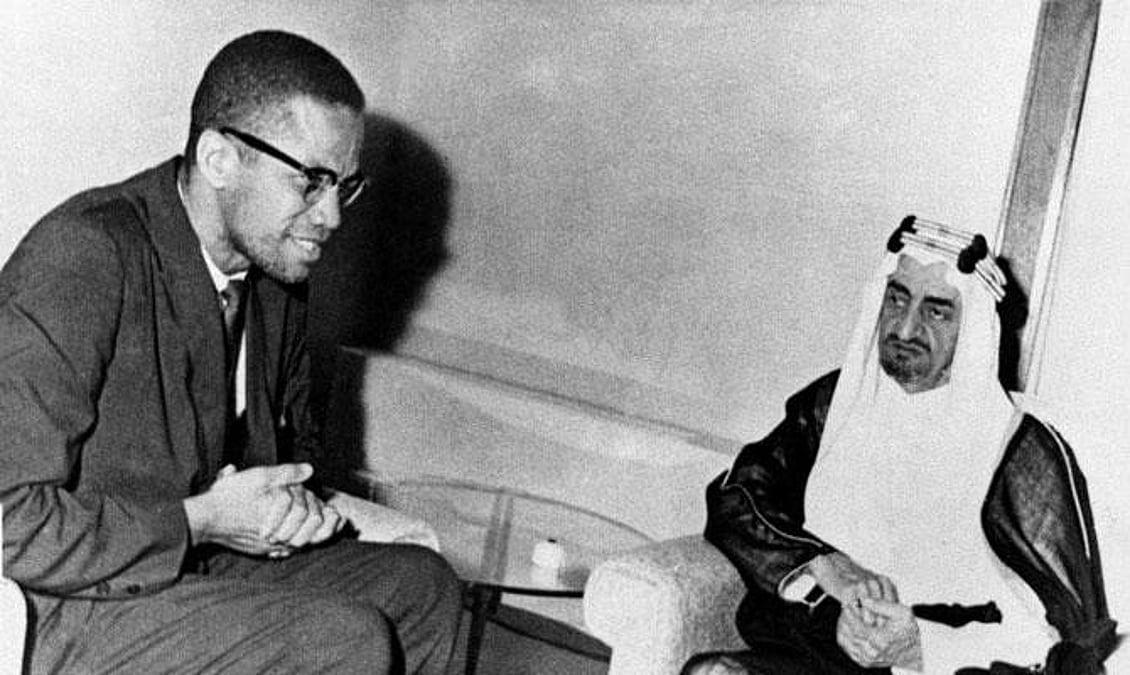
In April 1964, Malcolm X, a prominent African-American leader and human rights activist, performed the Hajj in Mecca, Saudi Arabia. This pilgrimage not only transformed his personal beliefs but also significantly influenced the African-American community's perception of Islam. His experience spread a message of tolerance and unity, marking a pivotal moment in American Islamic history.
Transformative Experience
Born Malcolm Little in 1925, he became a key figure in the Nation of Islam, advocating for African-American rights. Critics labeled the Nation of Islam as a black supremacist organization, while Malcolm's speeches condemned white America's injustices, making him a polarizing figure.
The Hajj experience led Malcolm to abandon the Nation of Islam and adopt the name El-Hajj Malik El-Shabazz. Witnessing the universal brotherhood and racial equality during the Hajj reshaped his beliefs.
New Vision and Legacy
Upon returning to America, Malcolm founded the Organization of Afro-American Unity, identifying racism as the primary enemy, not white people. His moderate views introduced a new understanding of Islam in America, influencing the Civil Rights Movement, particularly the Student Nonviolent Coordinating Committee.
In a famous letter from Mecca, Malcolm described the profound hospitality and brotherhood he experienced among people of different races and nationalities. This experience reinforced his belief in Islam's universality and equality.
Malcolm's Hajj opened new horizons for Islam in America, helping to establish it as a tolerant and unifying religion within the African-American community. However, his transformation was met with resistance; he was assassinated in 1965 by members of the Nation of Islam.
Despite his tragic end, Malcolm X's Hajj experience continues to inspire people worldwide with its message of tolerance and unity.