The Pulse Today
BREAKING
Sajib Pledges Aid for 50,000 Flood-Affected People in SonargaonMP Azharul Islam Mannan Distributes Relief Funds to Needy Families in SonargaonParliament Proposes Anti-Gambling Bill with Maximum 7-Year Prison PenaltyOpenAI Unveils 'Schedule' Feature to Boost Task Management in AI ChatbotPrime Minister Tareq Rahman Arrives in Dalian, China for Economic ForumEurope Confronts Intense Heatwave; Conditions Predicted to DeteriorateGold Prices Rise Again in Bangladesh Amid Global Market IncreaseSpaceX's Nasdaq Debut Values Company at Over $2 Trillion, Surpassing AmazonStudy Reveals AI Data Centers Contribute to Local Temperature IncreasesNarayanganj BNP Youth Wing Holds Rally to Welcome New Central CommitteeFBCCI Creates 16-Member Support Committee to Assist New AdministratorBrahmanbaria Launches New Book Reading Initiative to Promote LiteracyTrivedi Highlights Importance of Strengthening People-to-People Ties Between Bangladesh and IndiaFacebook Call Sparks Chattogram Uprising: A Student Leader's Post Ignites ChangeBangladesh Requests Italy's Aid for Continued European Market Access Post-LDC GraduationUS Embassy Counsellor Discusses Enhanced Energy Cooperation with Bangladesh MinisterBNP Marks 2nd Anniversary of July Uprising in Chattogram with CommemorationBangladesh Attorney General Introduces New Law Officers to Honor Founding LeadersRangpur District to Commemorate July Uprising Day with Extensive EventsBangladesh's Tahsin Tazwar Zia Triumphs Over Serbian Rival in Rudar XXXV-A Chess TournamentSouth Korea Reports 19 Heat-Related Deaths Amid Summer Heat WavePM Tarique Rahman: Public Demand for Change Key to July Movement's SuccessSwapon Calls for Robust Institutions Inspired by July Mass UprisingSpain Assures EU: Schengen Zone Security Unaffected by Ceuta Migrant CrisisBangladesh's Forex Reserves Soar to Record High of $36.59 Billion

Press Secretary: Tarek Rahman Called for Quota Reform in Government Jobs in 2014

Press Secretary Saleh Shibli claims Tarek Rahman advocated for quota reform in government jobs as early as 2014.

By Staff Correspondent
Share
কোটা সংস্কারের কথা তারেক রহমান বলেছিলেন ২০১৪ সালেই: প্রেস সচিব

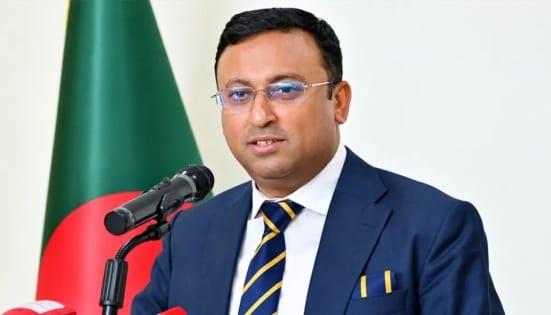
Press Secretary Saleh Shibli asserts that current Prime Minister Tarek Rahman had called for the reform of the quota system in government jobs as early as 2014. According to Shibli, Rahman expressed this need publicly on July 15, 2014, at an event in London's Tower Hill, stating that the quota system should be reduced to 5% to ensure merit-based evaluations. Shibli presented a video as evidence, where Rahman is heard discussing the need to reduce the existing quota system, which he believed covered nearly 50% of government jobs, to 5% to accommodate more meritorious candidates.

Shibli noted that although the quota reform movement began in 2018, Rahman had publicly expressed his views on the matter five years prior. The quota reform movement of 2024, led by anti-discrimination student activists, significantly impacted the country's political landscape, culminating in the ousting of the Awami League government during the July uprising. Following the interim government, the BNP returned to power in February, with Tarek Rahman, who had spent over a decade and a half in exile in the UK, being elected Prime Minister.

After assuming office, the BNP government initiated several measures to address employment and unemployment, including reopening closed industries, announcing the recruitment of one lakh nurses in the health sector, and launching language and technical training programs to send skilled manpower abroad. Shibli made these remarks during an interview with Prothom Alo while on a visit to London, before departing for Bangladesh on Monday.

FAQ

When did Tarek Rahman first call for quota reform?
Tarek Rahman first called for quota reform in 2014, according to Press Secretary Saleh Shibli.
What did Tarek Rahman propose for the quota system?
Tarek Rahman proposed reducing the quota system to 5% to ensure merit-based evaluations.

Topics

Comments

More in Politics

See all →

Latest stories