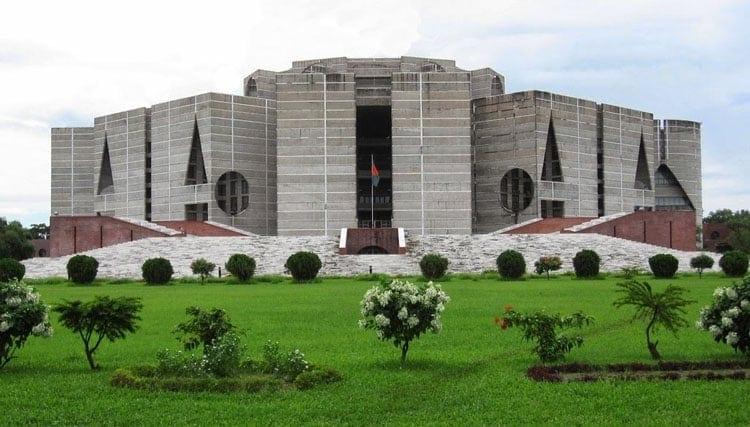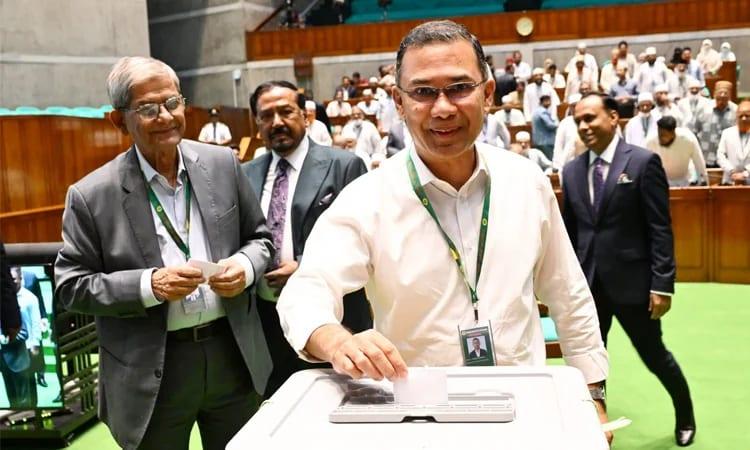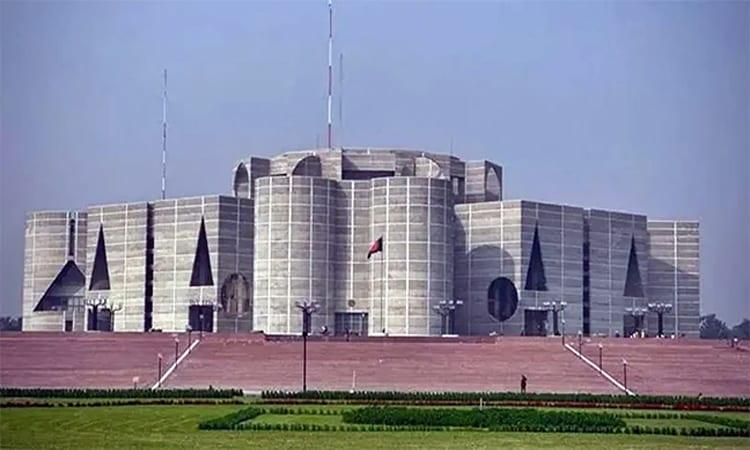
A special committee for the amendment of the constitution was formed in the Jatiya Sangsad (JS) today. Chief Whip Md. Nurul Islam Moni proposed the formation of the Constitutional Amendment Related Special Committee, which was passed by a voice vote. The committee is initially a 12-member body, headed by Home Minister Salahuddin Ahmed, with provisions to expand it to 17 members to include opposition representatives.
Committee Composition and Objectives
The committee includes members from the ruling BNP, as well as representatives from other parties such as the Bangladesh Jatiya Party-BJP, Ganosanhati Andolan, Gono Odhikar Parishad (GOP), Islami Andolan Bangladesh, and an independent lawmaker. The primary objective of the committee is to address the aspirations of the people following the July mass uprising by repealing the 15th Amendment to the Constitution.
Government's Stance on the Constitution
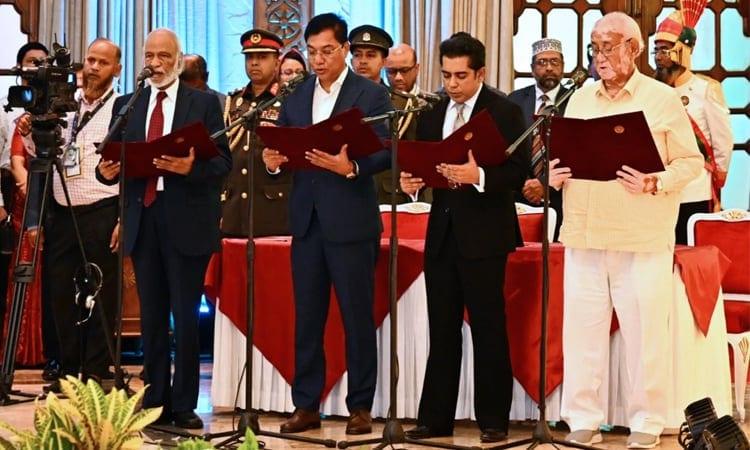
Home Minister Salahuddin Ahmed emphasized the government's commitment to fulfilling public aspirations. He rejected the opposition's argument about taking two oaths, stating that Parliament was elected under the existing Constitution and the current session was convened in accordance with it. The home minister clarified that taking an oath as members of the Constitution Reform Council has no constitutional or legal basis.
Next Steps and Public Verdict
The government aims to respect the public verdict delivered through the referendum, but this requires amending the constitution first. Any provisions relating to the Constitution Reform Council that need to be incorporated into the Constitution through consensus can be discussed within the constitutional amendment committee.
Significance and Implications
The formation of this committee is a significant step towards addressing the constitutional changes demanded by the public following the mass uprising. It reflects the government's intent to engage with various political stakeholders to achieve a consensus on necessary amendments. The outcome of the committee's work will have profound implications for the political landscape and governance in Bangladesh.