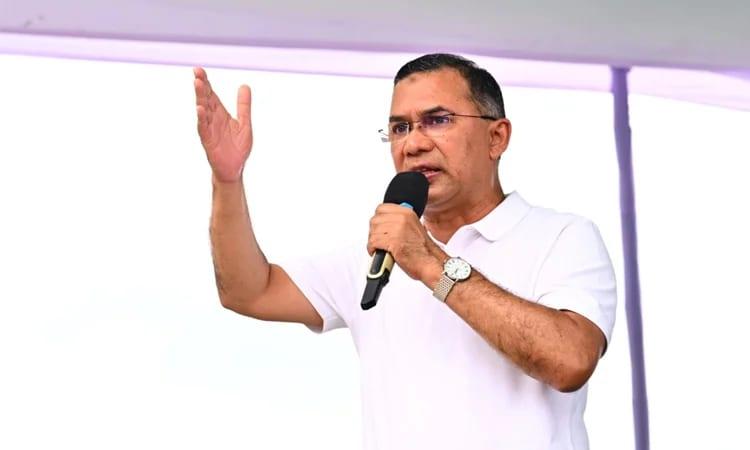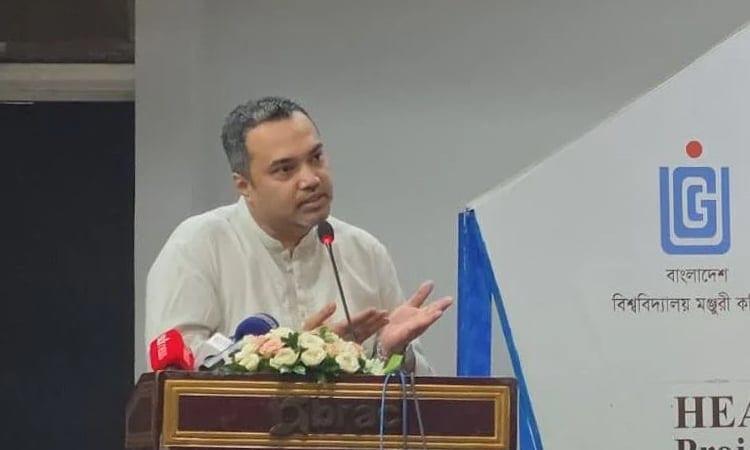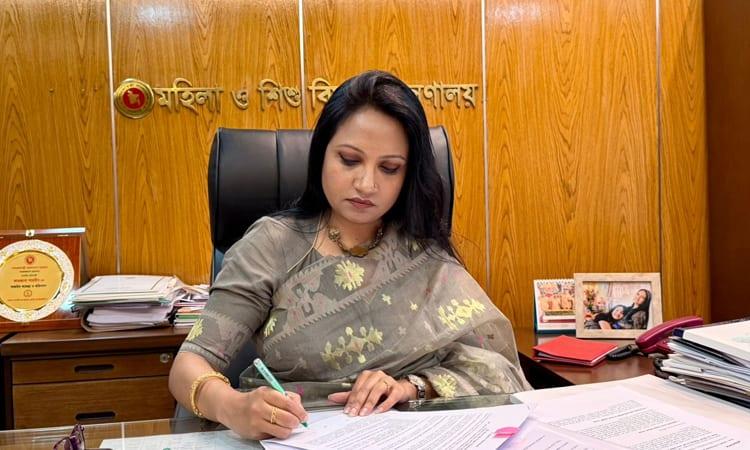
State Minister for Social Welfare Farzana Sharmin has stated that investigation and judicial proceedings alone are not enough to curb corruption. She stressed that effective prevention, establishment of good governance, and active participation of people at all levels are also indispensable.
Corruption as a Development Obstacle
Farzana Sharmin described corruption as one of the biggest obstacles to development, as it undermines public confidence, discourages investment, and leads to the misuse of state resources. She noted that no country can become corruption-free overnight but emphasized that political goodwill, institutional reforms, and active public participation can play a significant role in reducing corruption.
Government's Goals and Initiatives
The state minister said the present government's main goal is to build an accountable state system by consolidating and strengthening democracy, the rule of law, and strong democratic institutions. Following the political change, the government is working to build a sustainable development-based state by restoring public confidence, making state institutions more effective, expanding social protection, reducing poverty, taking a firm stand against corruption, and strengthening regional cooperation.
Political Stability and Public Confidence
Comparing the political realities of Bangladesh and Sri Lanka, Farzana Sharmin said both countries have gone through experiences of political instability and change. She highlighted that the biggest challenge after any political transition is to restore public confidence while maintaining the continuity of economic progress. For this, democratic governance, the rule of law, independent and effective institutions, and inclusive economic opportunities are essential.
Social Protection Programmes
Farzana Sharmin highlighted the importance of social protection programmes, noting that the present government is further expanding social security activities as part of establishing a welfare state. One of its major initiatives is the "Family Card" programme, which provides direct financial assistance to selected women heads of marginalised families. The programme aims to break the cycle of poverty and develop productive human resources.
Long-term Vision and Investment
The state minister said the government aims to bring a broader section of the population under the Family Card programme by 2030. She opined that social protection expenditure should be regarded not as government spending but as a strategic investment for future economic development.