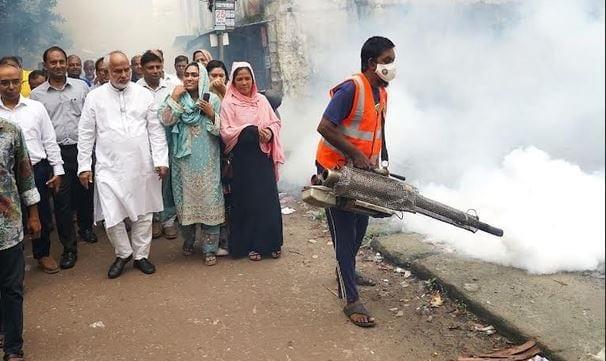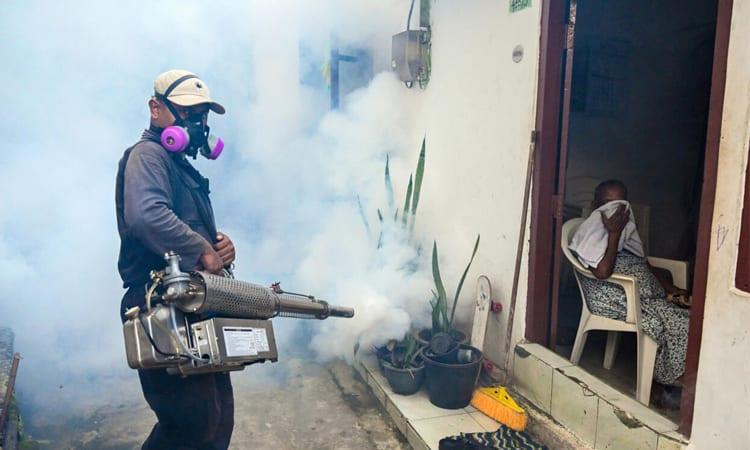
Sri Lanka is intensifying a military-backed drive to contain the spread of mosquito-borne dengue fever, a senior official said Wednesday, as the death toll climbed to 49 since the start of the year. The South Asian island nation deployed the military last month to identify and destroy mosquito breeding sites. Beginning Thursday, medical staff and security forces involved in the effort will be doubled, focusing on the capital Colombo and two neighboring districts, which are the worst-affected areas, said Kapila Kannangara, head of the National Dengue Control Unit.
Rising Cases and Deaths
Official data shows that 61,057 people were infected in the first six months of this year—more than double the 30,060 infections recorded during the same period in 2025. More than 15,000 people have been infected this month alone. This year's figures are still lower than in 2017, which saw a record 186,000 cases and 440 deaths.
Urgent Measures Needed
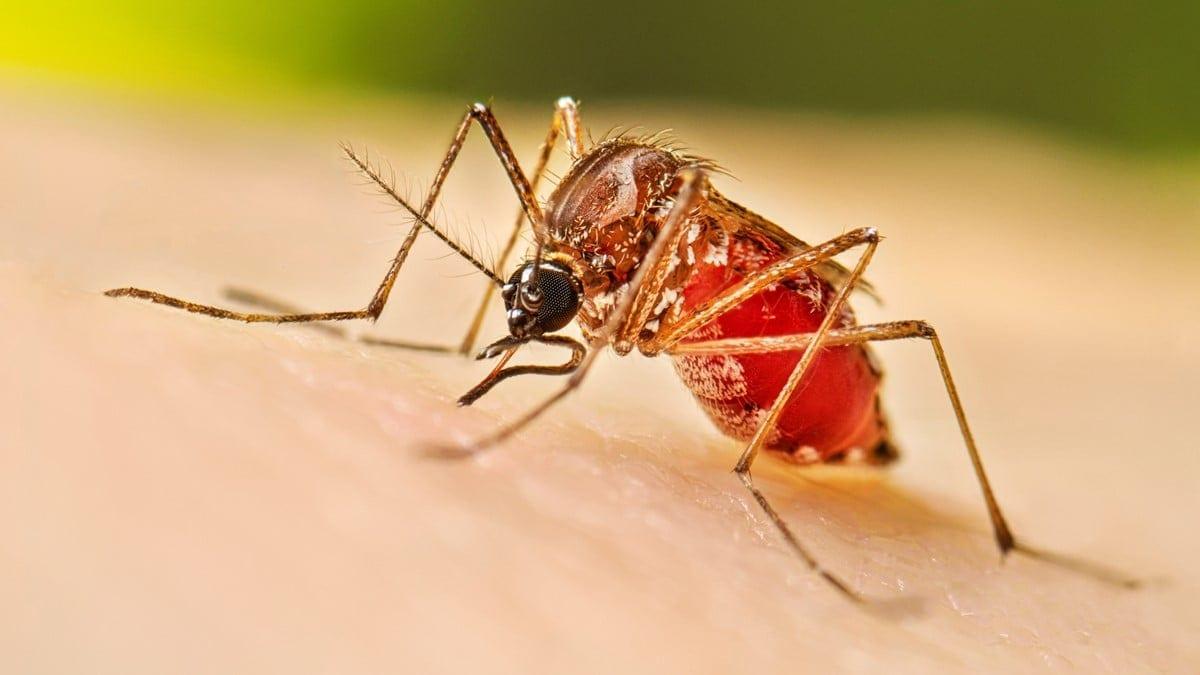
Officials said they needed to control the spread of the virus without delay to prevent overcrowding in hospitals. The Aedes mosquito that spreads dengue—identifiable by its black-and-white striped legs—breeds in stagnant pools. The World Health Organization has warned that dengue and other mosquito-borne viruses are spreading more rapidly and widely due to climate change.
Why This Matters for Bangladesh
Bangladesh shares similar climatic conditions with Sri Lanka and faces a high risk of dengue outbreaks. Effective mosquito control measures and public awareness campaigns are essential to prevent a similar surge in cases and deaths. Strengthening healthcare infrastructure and readiness is crucial for managing potential outbreaks.